
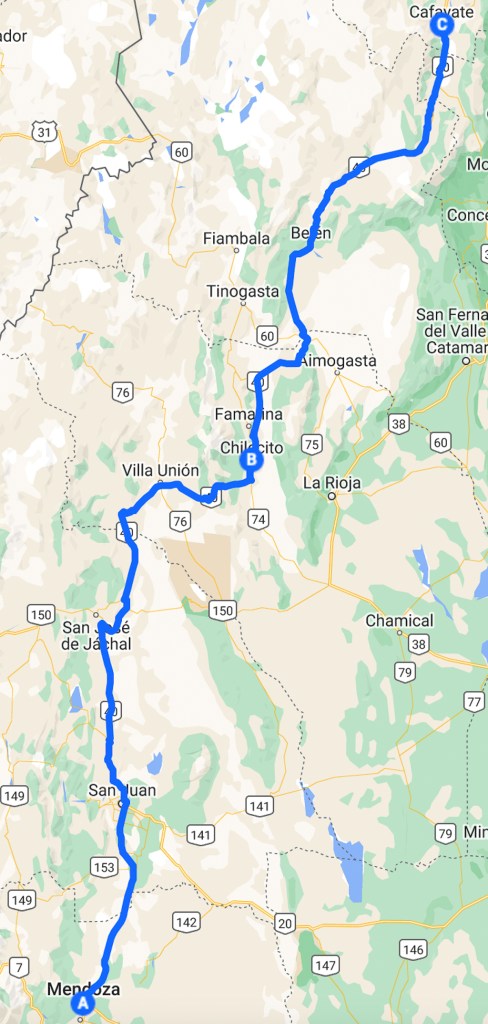
In our last post, we had finished our Patagonia Expedition in San Martín de los Andes. Next, we wanted to drive along the famous Ruta 40 to the north of Argentina.
(Editor’s note: we have visited this area in April 2023)
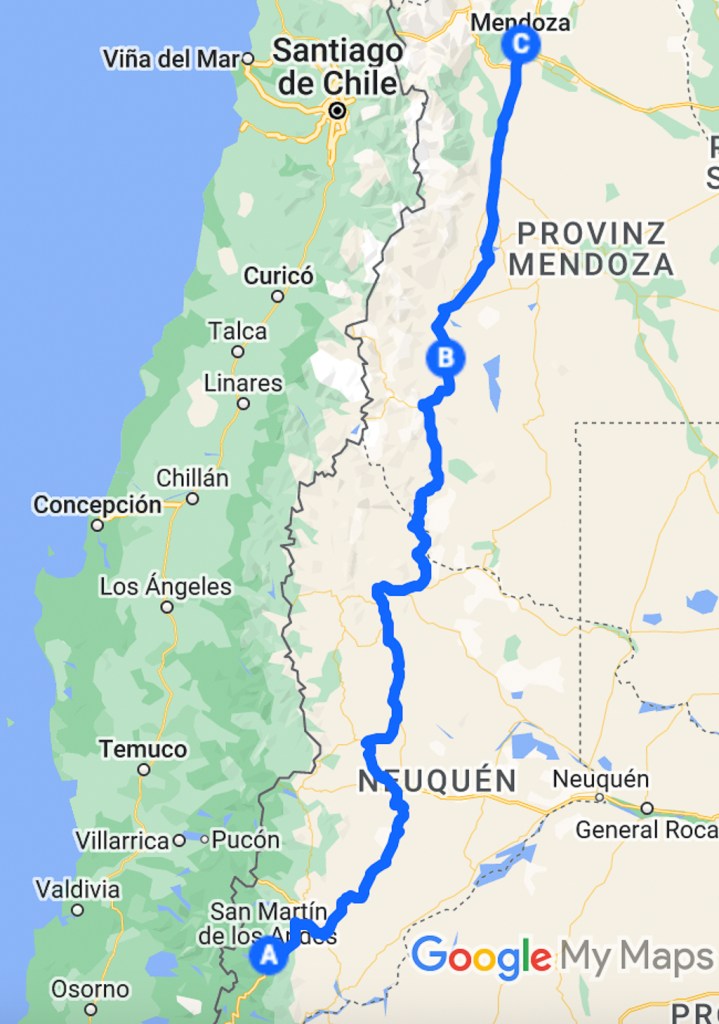
Ruta 40
The Ruta 40 is the longest road in Argentina with a length of 5300 km. It leads from Cabo Virgenes in the south of Patagonia to La Quiaca at the Bolivian border in the north and goes through a variety of landscapes and climate zones.

Even though, some parts of the Ruta 40 are now paved it is still a bit of a challenge to drive the complete Ruta 40. The highest point of the road has an altitude of nearly 5000 m and several sections require a 4×4 vehicle.
In Patagonia, we had already driven larger parts for the Ruta 40 (from San Martín de los Andes to Esquel and from Rio Turbio to Perito Moreno). But now it was time to explore the central and northern sections of the Ruta 40. We were very much looking forward to this awesome new adventure.
Zapala
Our first stop after San Martín de los Andes was in Zapala. Surprisingly, a variety of artwork can be found throughout the city.


The next larger village after Zapala is Chos Malal. It seems like there isn’t much to see there. But the road from Chos Malal to Malargüe, which follows closely the Rio Grande, leads through stunning landscapes.
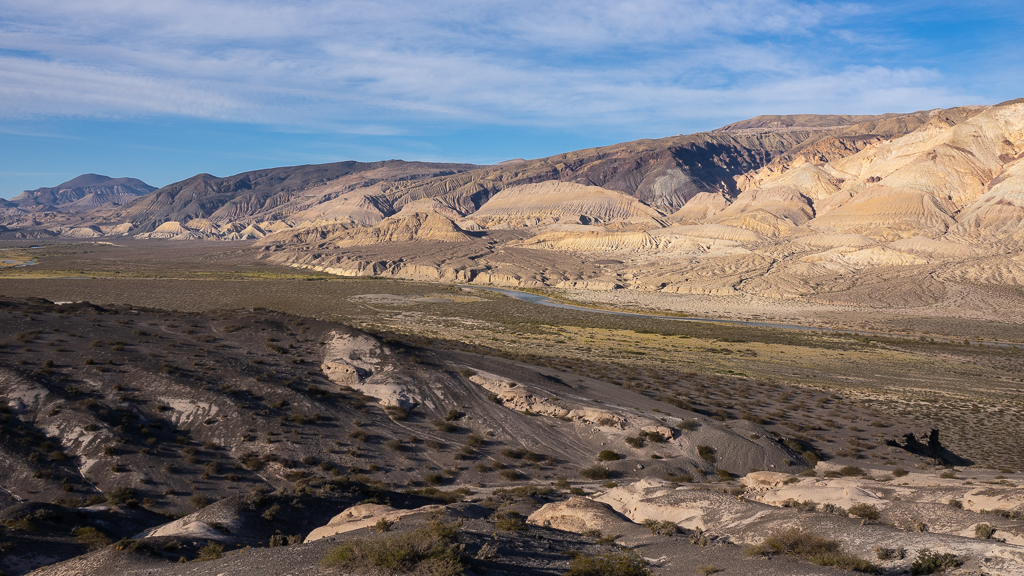


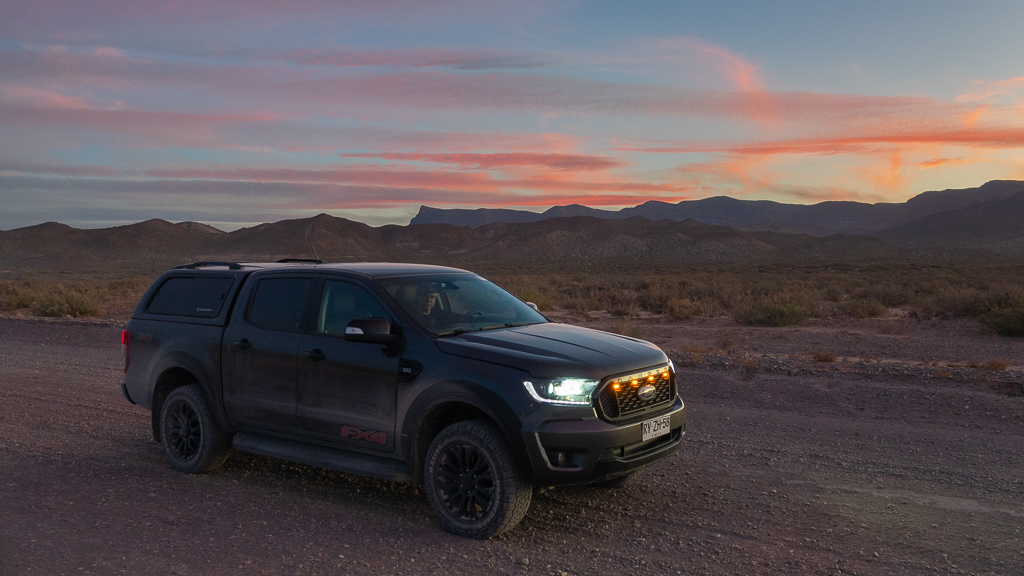
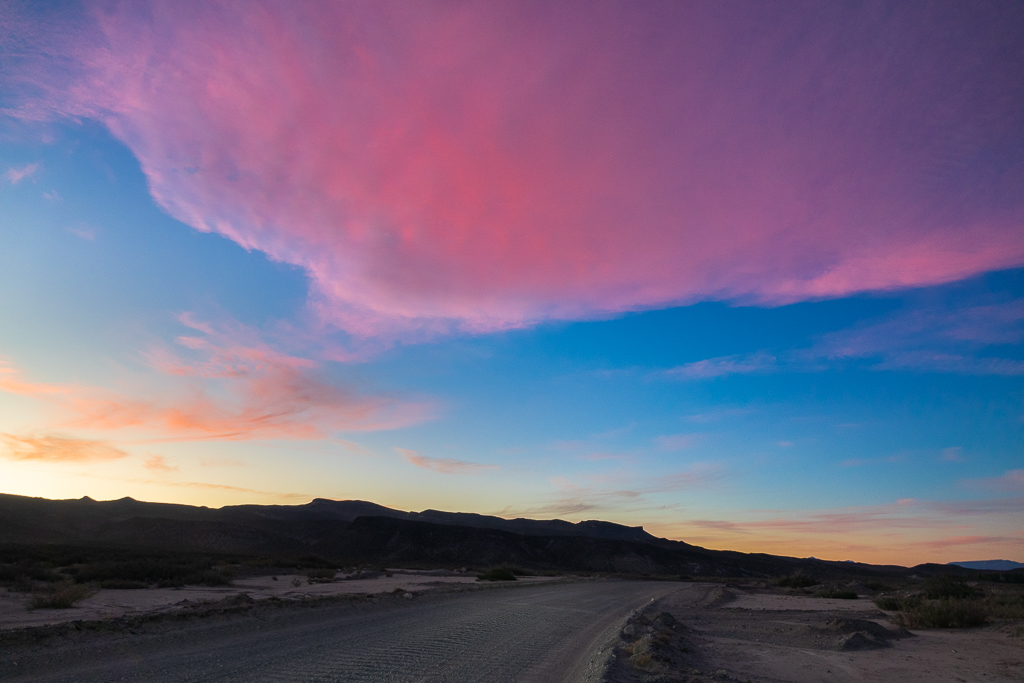
Just before reaching Malargüe, we experienced a spectacular sunset.
Malargüe
We spent the night in a nice and clean hotel in Malargüe and explored the small village the next morning.
Our first stop was at the Ayer Park with its huge watch.

Next, we quickly explored the dinosaurs at the Museo Regional Malargüe.


The most famous landmark of the Malargüe is the watch-tower Reloj del Cincuentenario on the main road.

About one hour later we continued our trip along the Ruta 40.
Halfway between Malargüe and Mendoza, we stopped at the Mirador Dique Aqua del Toro. The view of the canyon and desert-like landscape is stunning.

Mendoza
Our next stop was in Mendoza, where we had booked an apartment for 2 nights.

The apartment was really huge and beautiful.


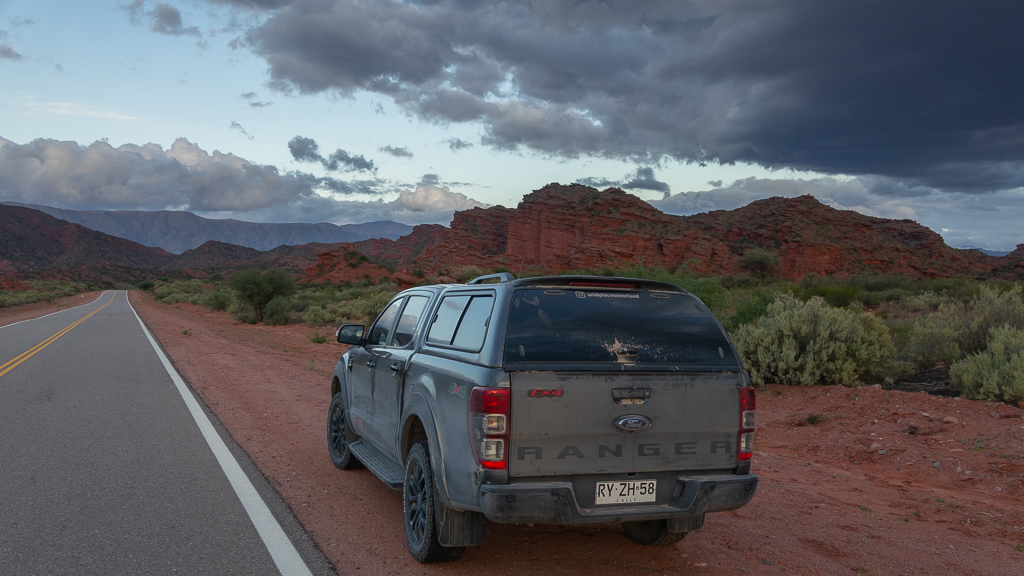
Close to the apartment, we found a secure parking garage for our Ford Ranger.

One of the most interesting areas of Mendoza is Arístides.

It’s well known for its countless restaurants, Irish pubs, clubs, and its vibrant nightlife.

In addition, you can find lots of interesting graffiti there.

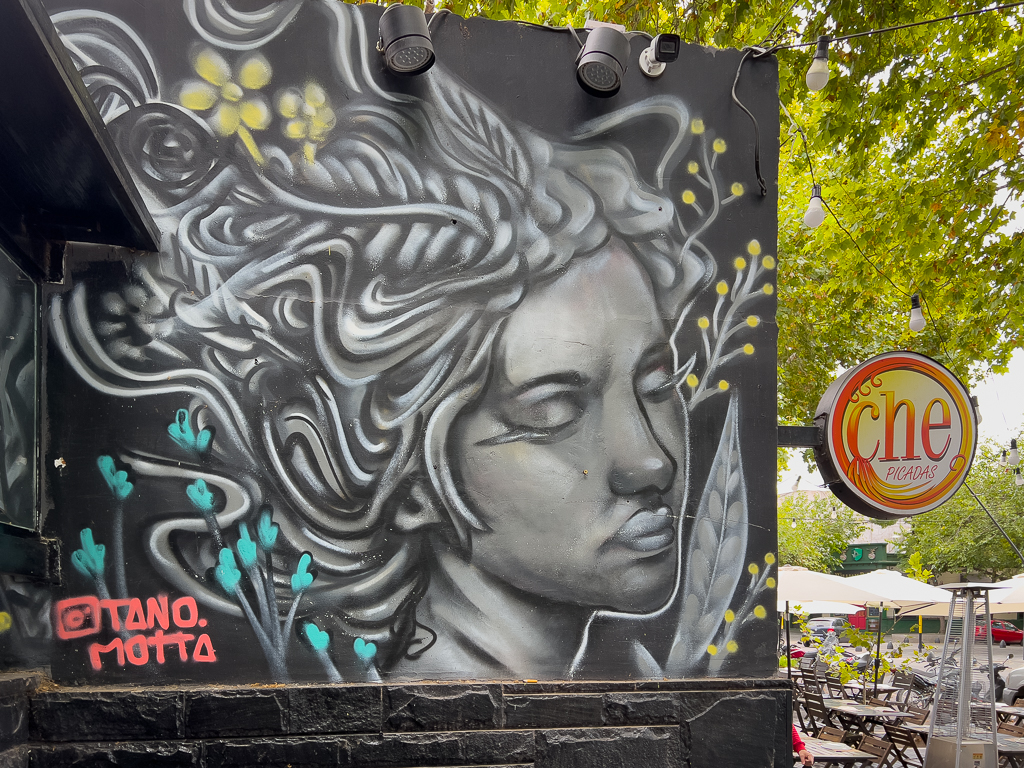

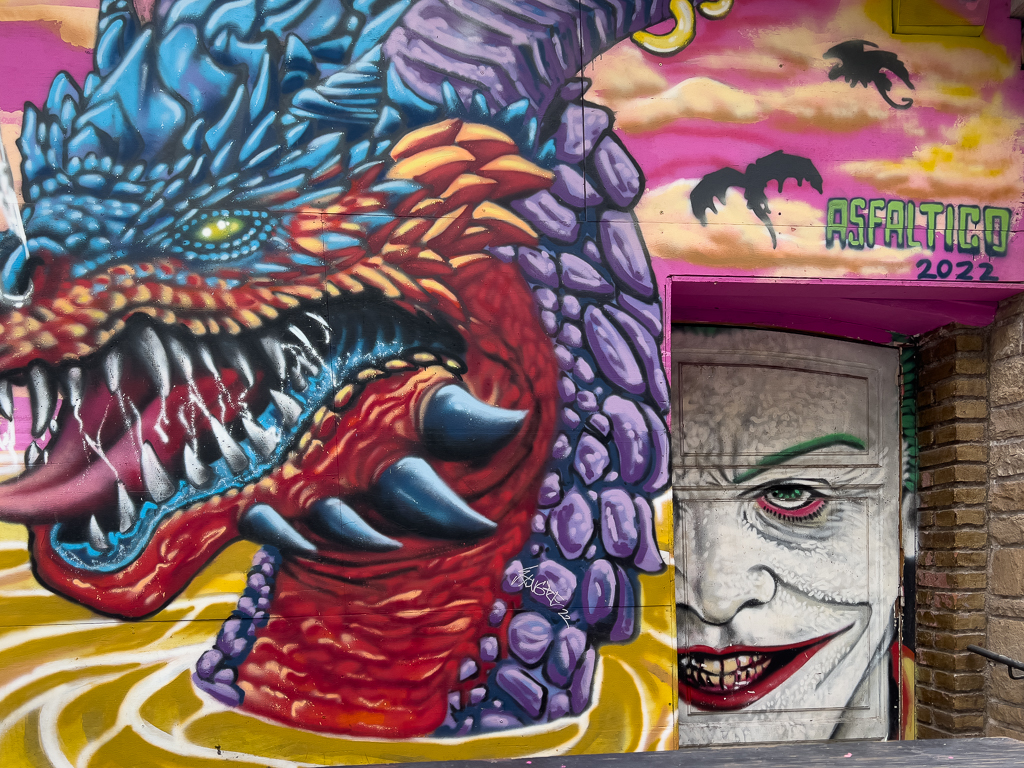


Similar to Patagonia, you can also find relics of German settlers in Mendoza.

One of the most beautiful places in Mendoza is the Plaza España.


The artwork on this plaza with all the colorful tiles is just stunning.

Another interesting place is the Plaza Italia.


Mendoza is also famous for its selection of great restaurants and wine cellars. On our first night, we tried out the Carolina Cocina de Estación restaurant and were quite happy with the food and atmosphere.
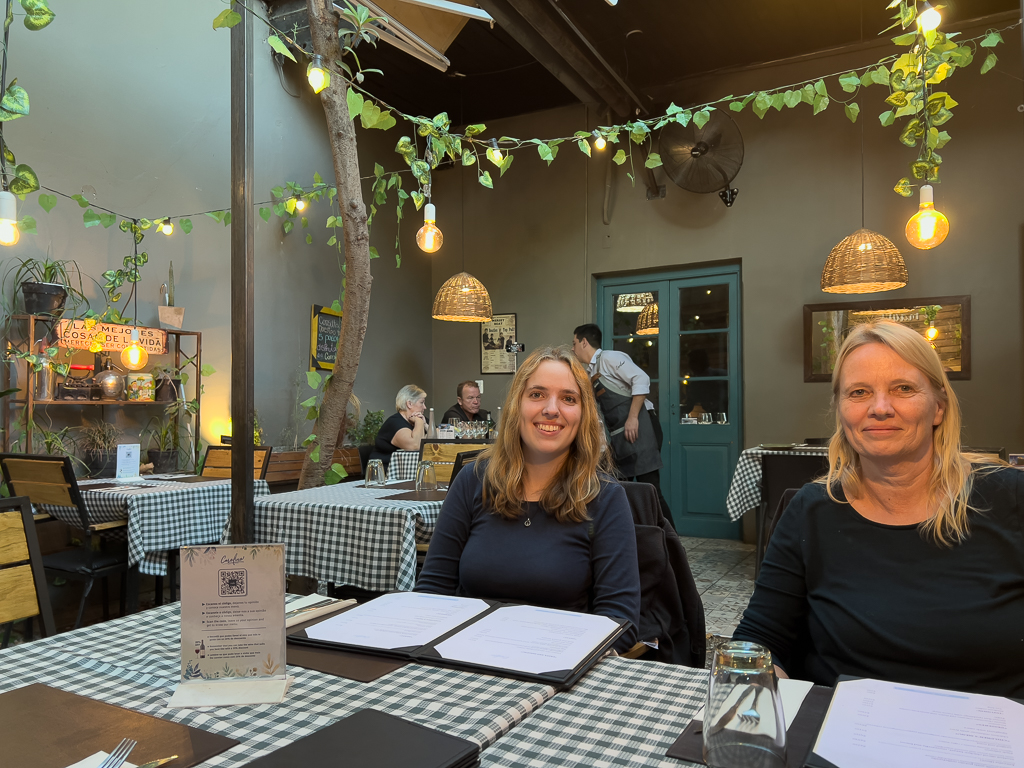

Mendoza was definitely worth a stop, but we all agreed that it is not one of our favorite cities. It had some interesting places and the food was good, but something was missing. Maybe it was because we hadn’t really explored the nightlife of Mendoza.
But after two nights we were happy to be back on the road.
Vallecito Encantado
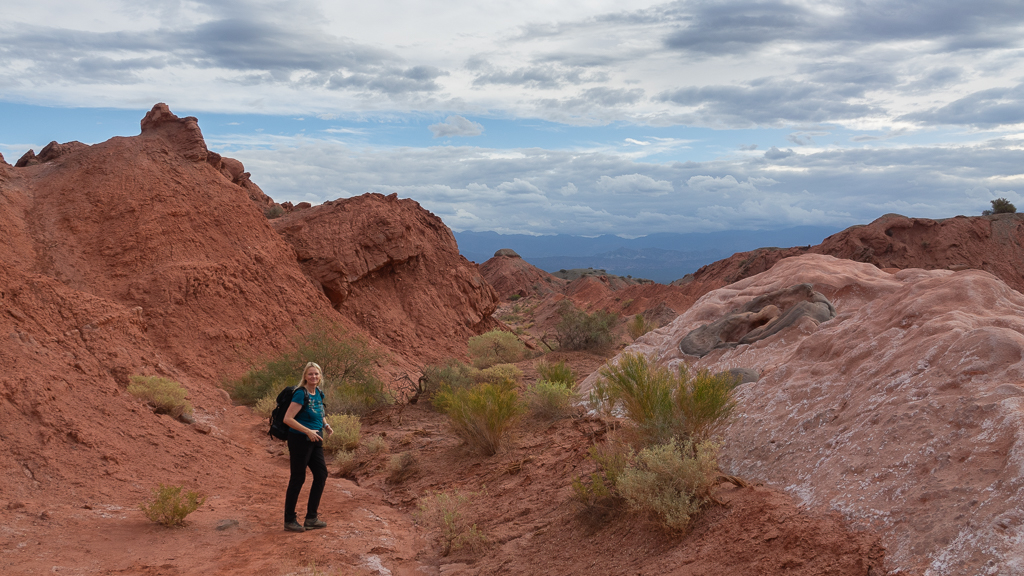
Our next stop along the Ruta 40 was at the Vallecito Encantado. It’s located 435 km north of Mendoza.

The landscape there is absolutely spectacular, both the colors and the shapes of the rock formations.

The warm late afternoon light was further intensifying the colors.

Some of the rocks looked like huge eggs of dinosaurs.


While others had the shape of a human ear.
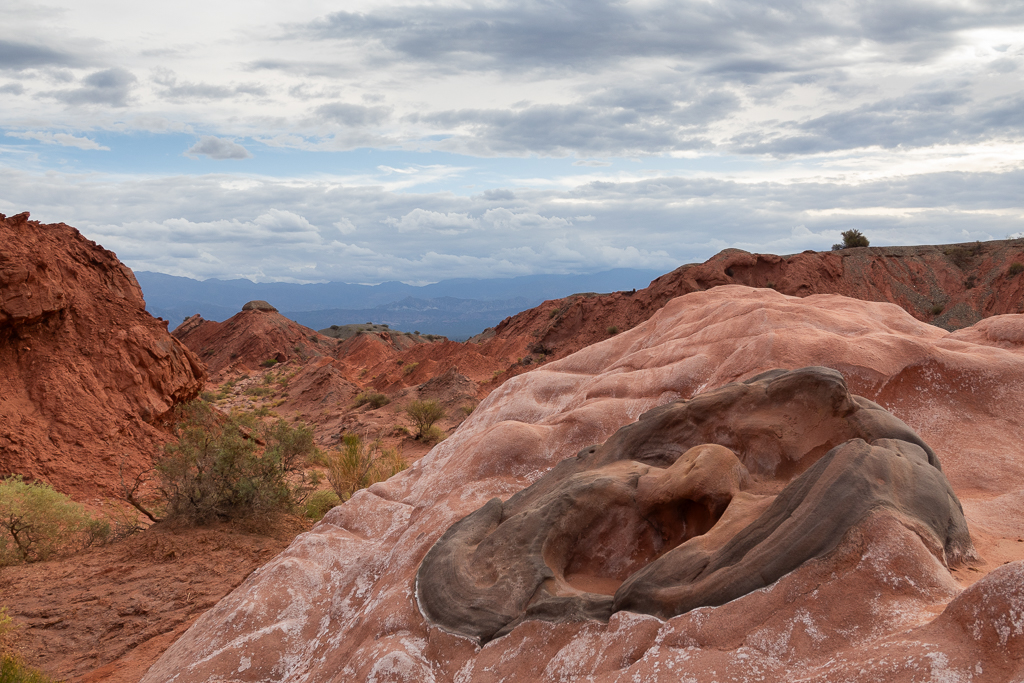


We spent quite some time there and thoroughly enjoyed the stop.
Chilecito
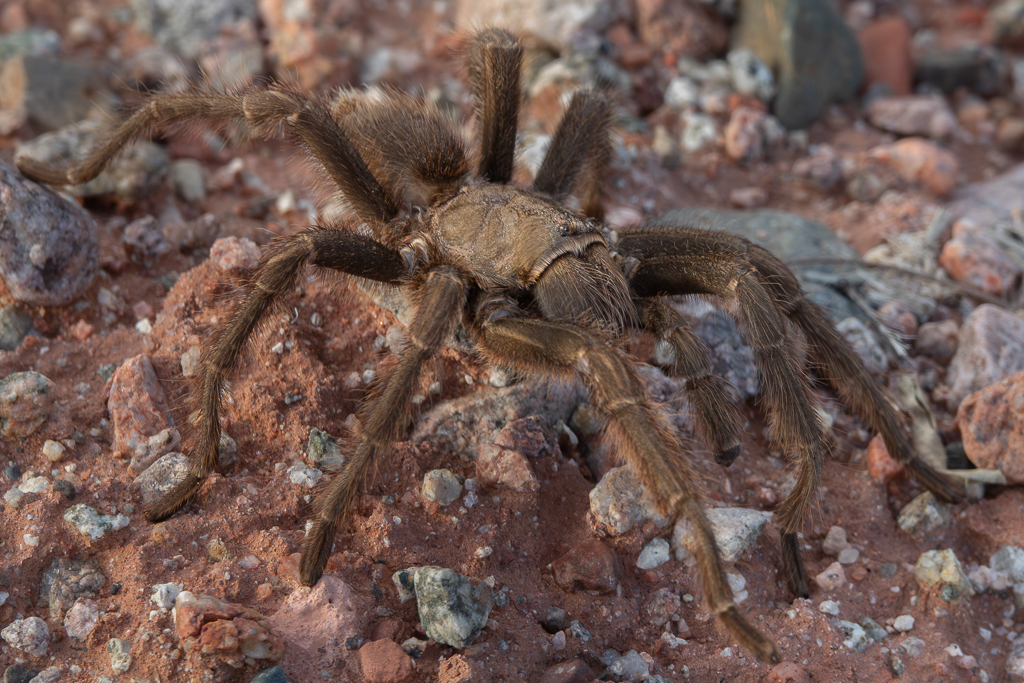
Halfway between the Vallecito Encantado and Chilecito, we saw an interesting animal next to the road worth some further explorations.
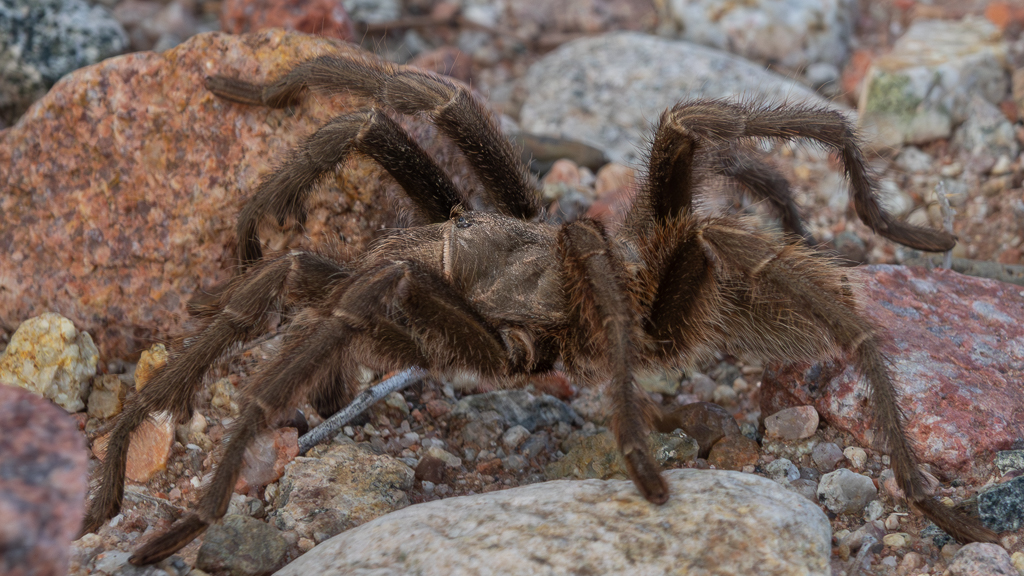
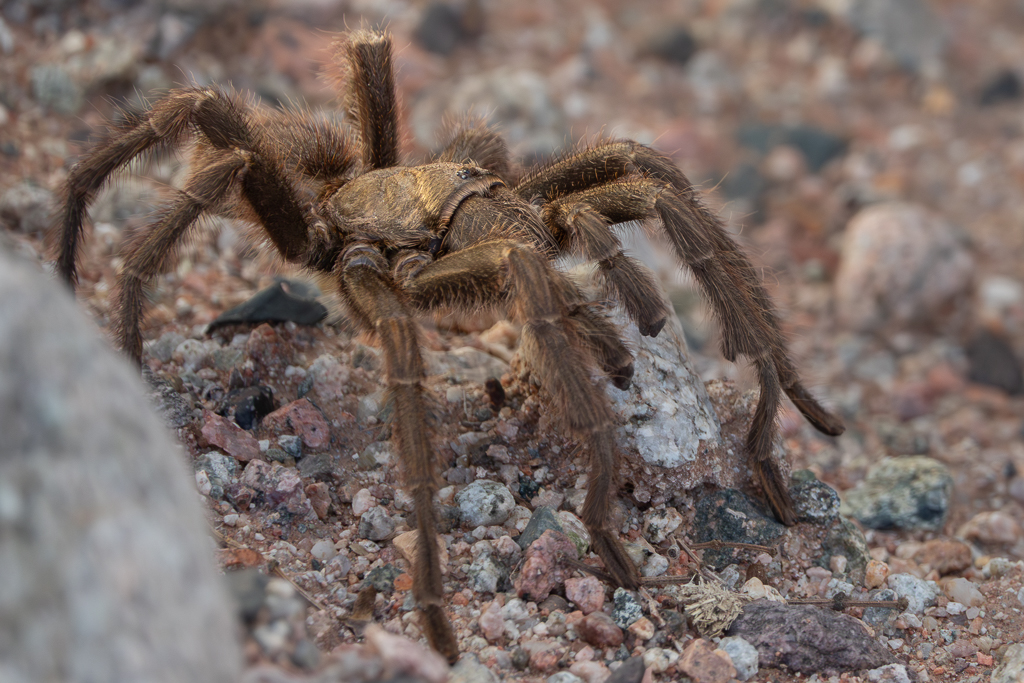

The last few kilometers to Chilecito led again through a beautiful landscape with red rocks and huge cacti.

We spent the night in Chilecito and then continued our trip along the Ruta 40 the next morning.

At some point, we found an interesting shrine consisting of hundreds of water bottles next to the road.

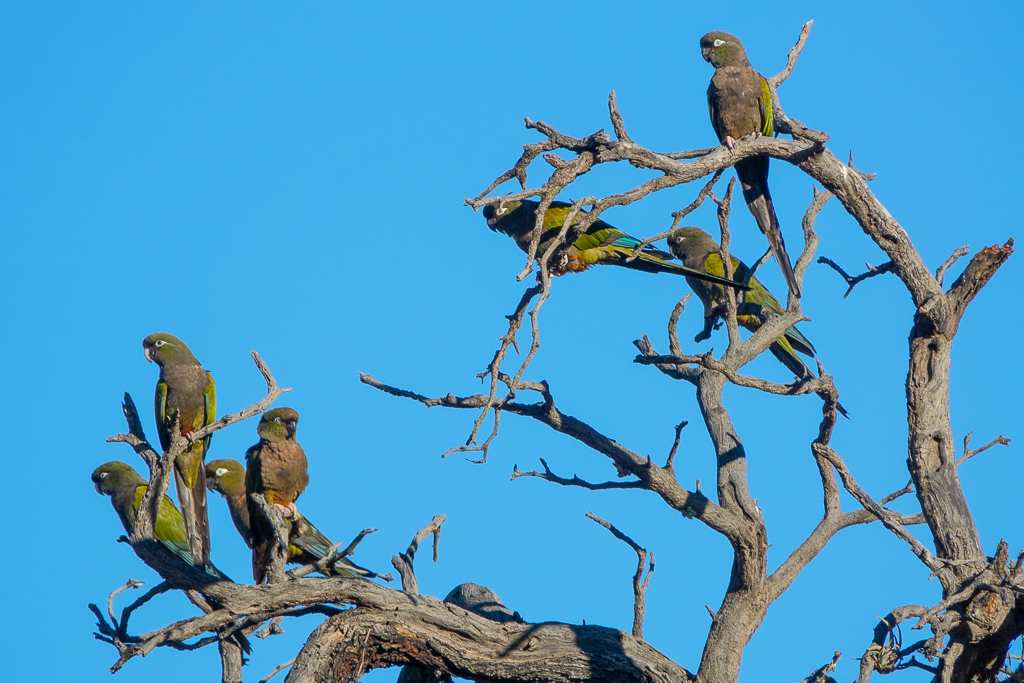
The temperature was getting warmer, the vegetation more tropical and we saw a large group of parrots.
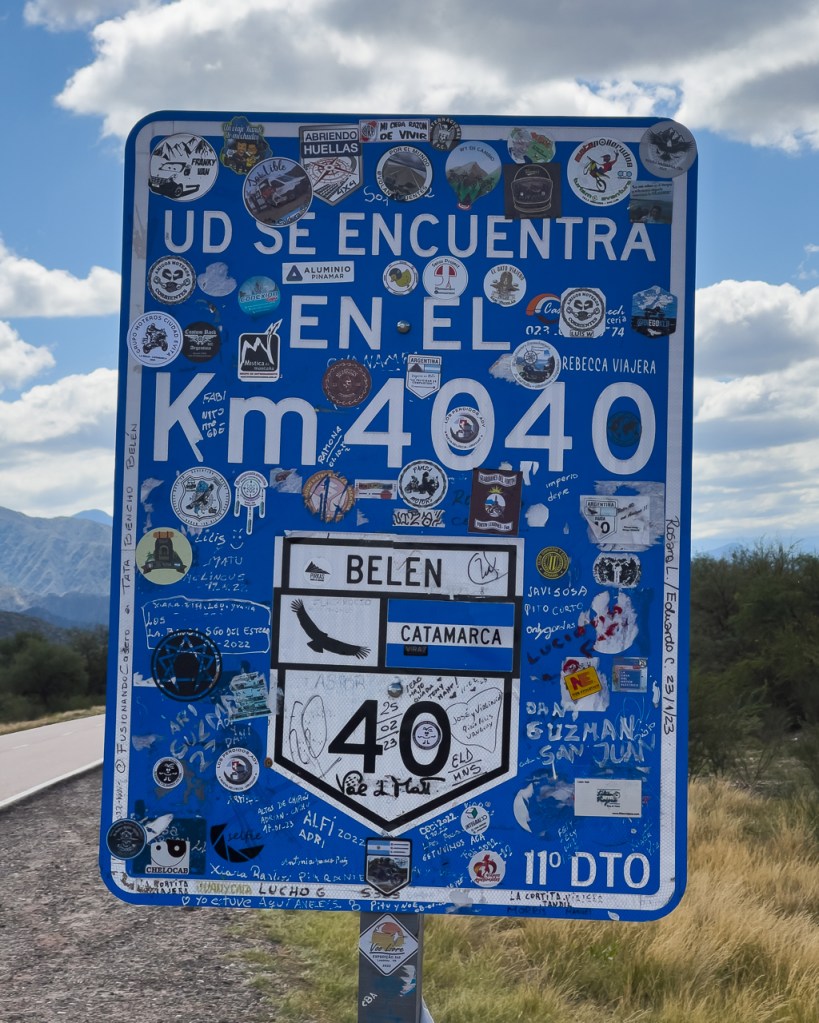
Another famous landmark on the Ruta 40 is the km 4040 sign. This indicates the distance of the Ruta 40 from its starting point in the south.

Nearly everybody stops here and takes some images of the sign (or puts a sticker on it).
Cafayate
Five days after leaving San Martín de los Andes, we finally reached Cafayate, the southern starting point for our upcoming Altiplano Expedition.
We rented a cabaña there for a few days to explore Cafayate and its surroundings.

Cafayate is a lively small village with a beautiful main square, often with lots of interesting market stalls.

And a beautiful church where we had the chance to witness a traditional performance in front of the main entrance during the week before easter.


While we were in Cafayate there was a fiesta at the Cabras de Cafayate (a goat cheese farm and factory), which we attended. We tasted some of the local specialties, bought some goat cheese, and enjoyed the sunset together with the local crowd.


Similar to Mendoza this area of Argentina is well known for its high-quality wineries. One of the famous ones is the bodega El Esteco, located in Cafayate.

The building of this bodega is extremely beautiful. They also offer rooms for an overnight stay at the bodega (but the rooms are not cheap, at least not for typical prices in Argentina).
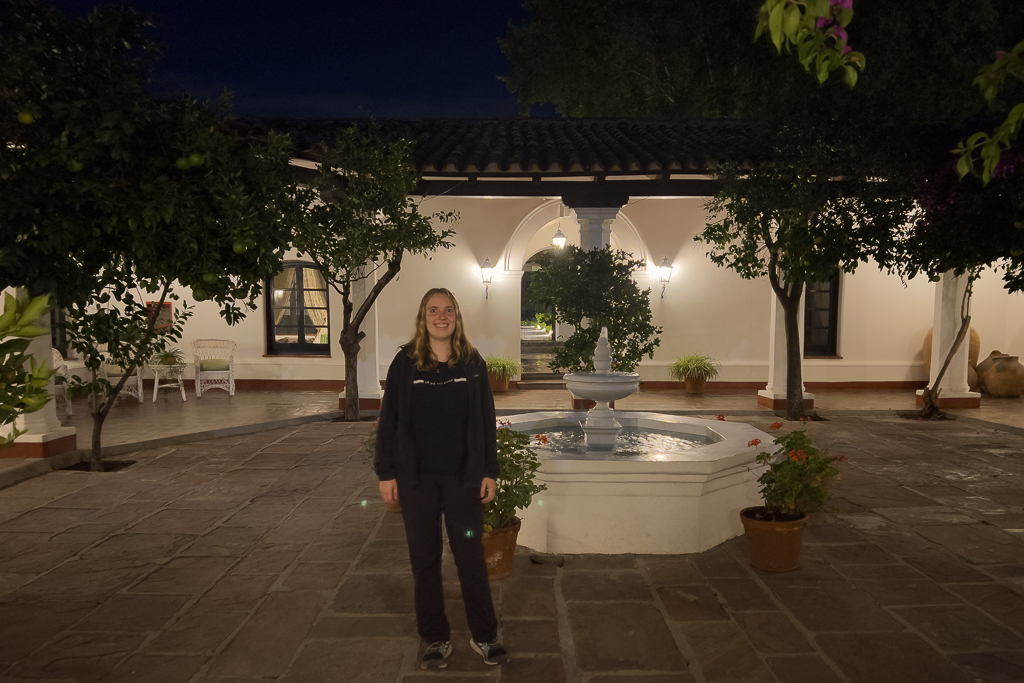
We had reserved a table at La Rosa restaurant of the El Esteco bodega for dinner.

The food and atmosphere were absolutely top-notch there. A visit can be highly recommended. And compared to nearly all other places in the world the prices for what you get there are really cheap. For three three-course menus with a different wine for each course, we paid 60€ altogether, including all drinks.

But if this location feels a bit too posh to you (which I can fully understand) or you want to spend even less money on a nice dinner here are two more highly recommended restaurants in Cafayate:
The Árbol Negro Bodega Garage is located directly at the central Plaza de Cafayate. The pizza was the best we had in South America. And we paid for three people including all drinks just 20€.

Even cheaper is El Hornito, also located in the center of Cafayate. We had a couple of really great empanadas and cannelloni there. We paid for three people for all food including drinks just 7€. The food was great there but be prepared for a very long waiting time. It took us more than two hours after ordering the food to get our empanadas.
We loved our time in Cafayate and it’s now one of our favorite cities in Argentina. The surroundings of Cafayate are even more spectacular than the village. More about this in the next post.
 Wild Places