
From San Salvador de Jujuy we drove the remaining 80 km to Maimará where we had rented an apartment for one week. The idea was to use Maimará as our base camp to explore this region with its many highlights.
(Editor’s note: we have visited this area in April 2023)
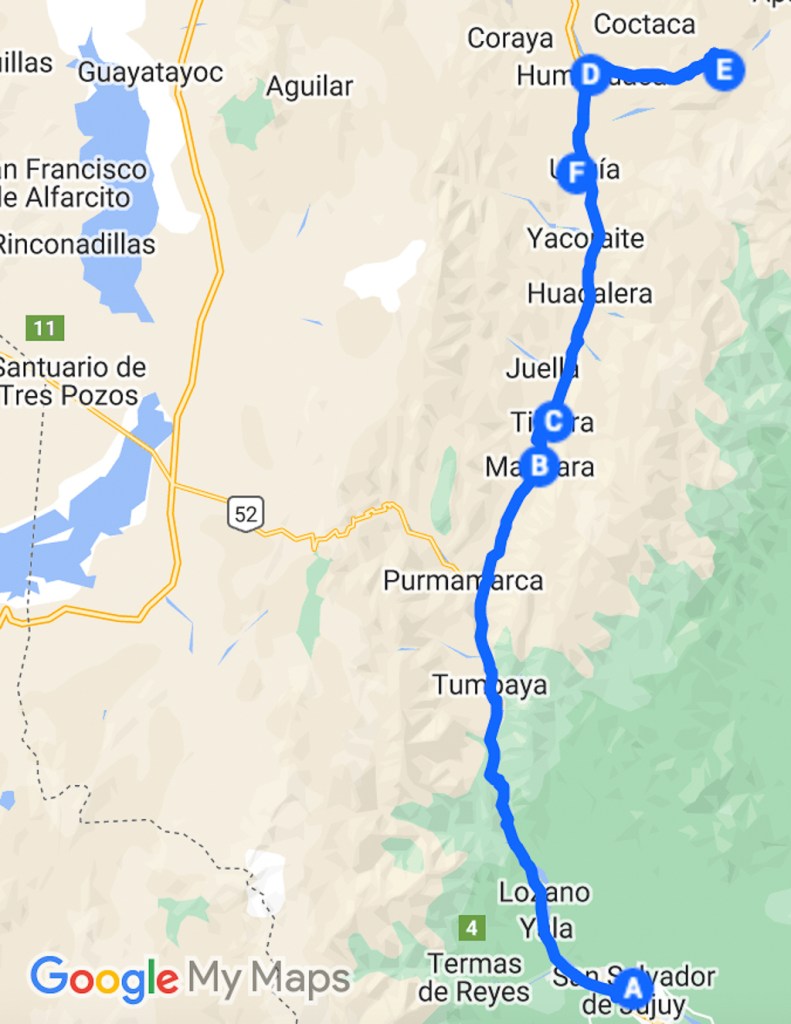
Maimará
Maimará is a nice and calm little village. It is not as spectacular as Tilcara or Purmamarca and was therefore not our first choice as a location for this region. But all available accommodations in Tilcara and Purmamarca were extremely expensive. We didn’t regret our decision and saved a lot of money.
Our apartment in Maimará was spacious and had everything that was needed including private parking behind a locked gate.
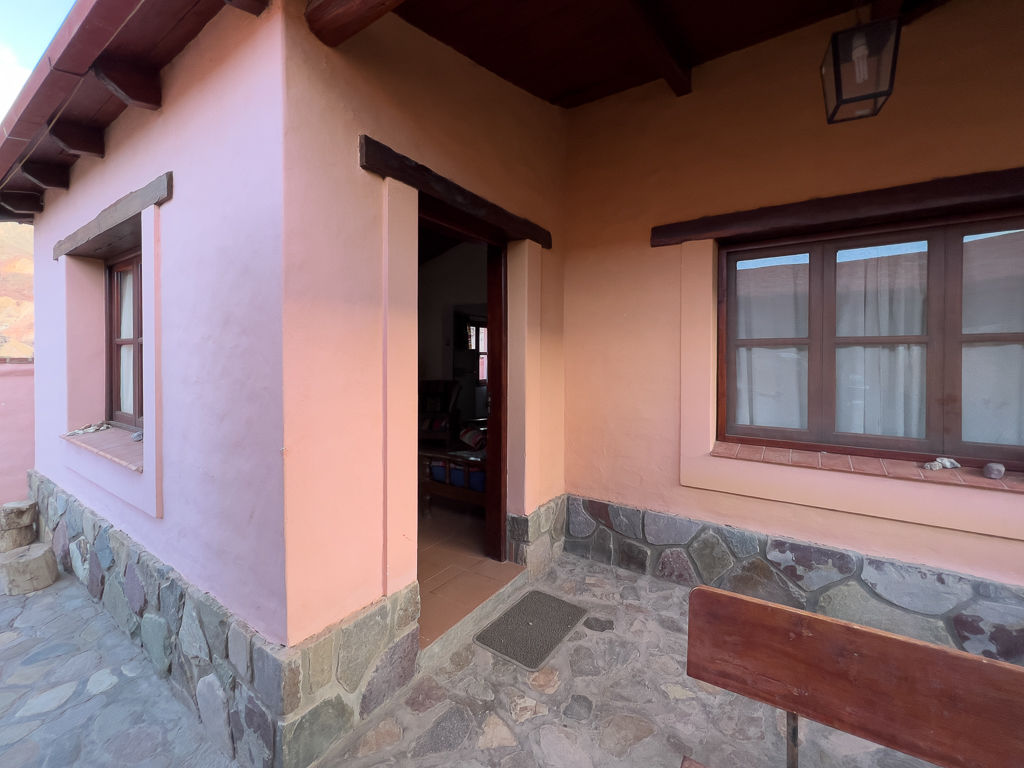
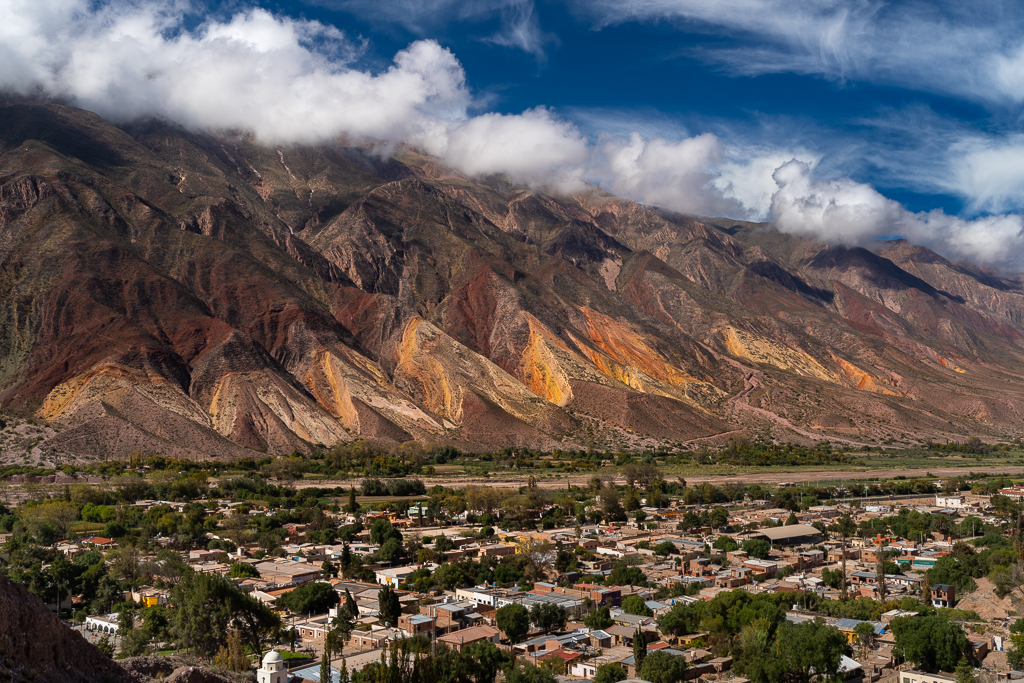
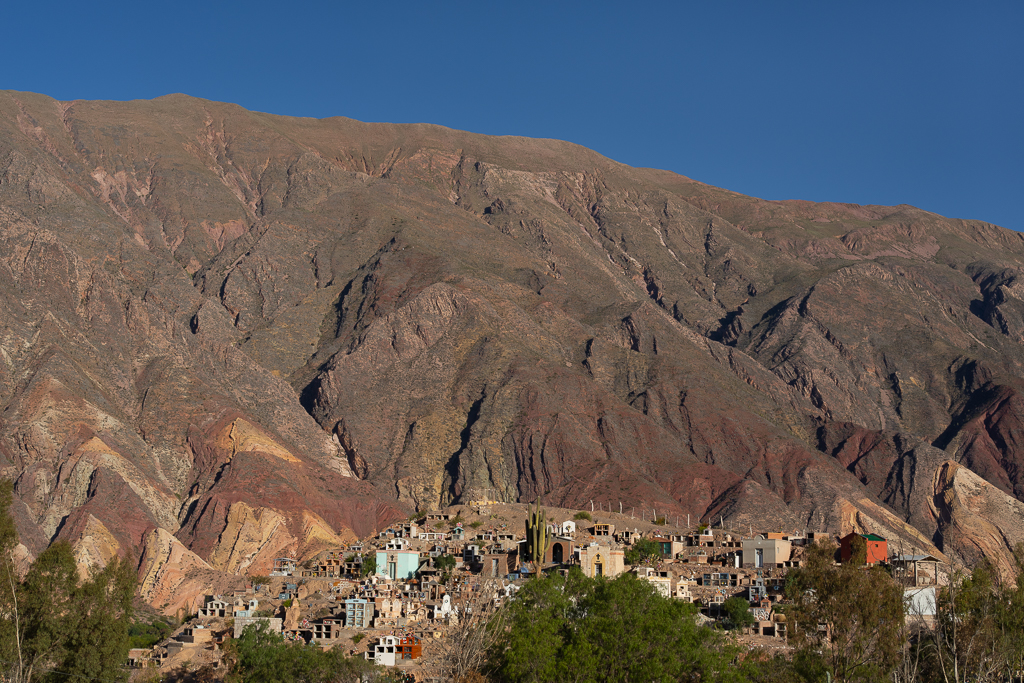
It was located directly next to the Cerro Paleta Del Pintor (the color palette of the painter), a mountain range with different shades of yellow, orange, red, and brown colors. Especially in the warm evening light, it was a spectacular sight.

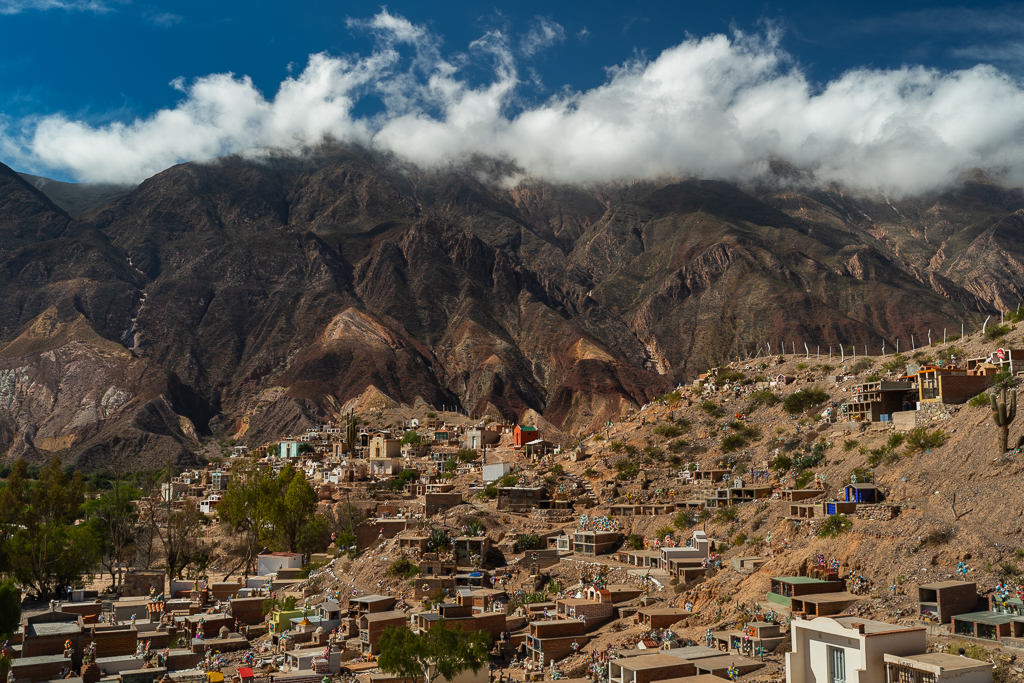
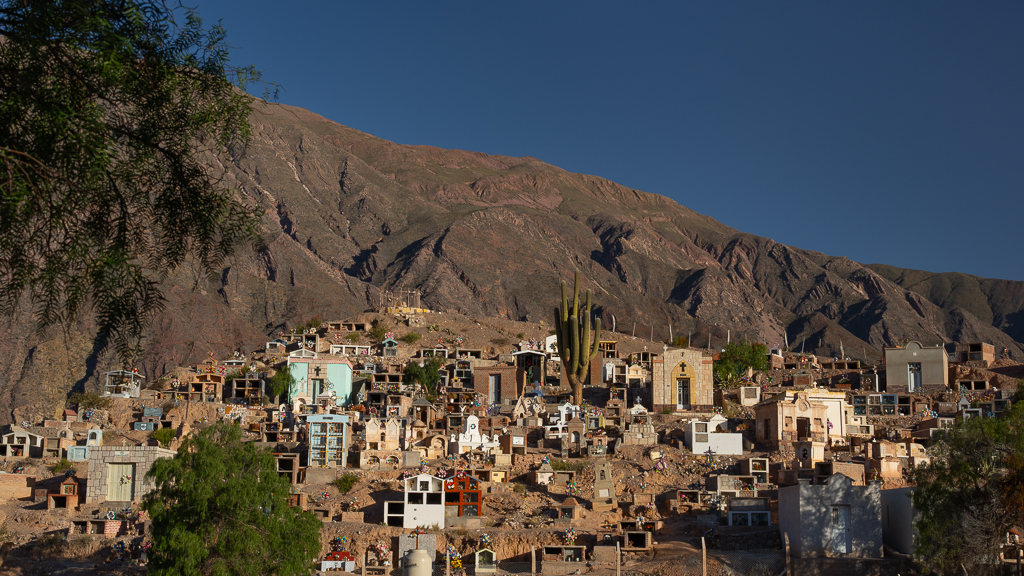
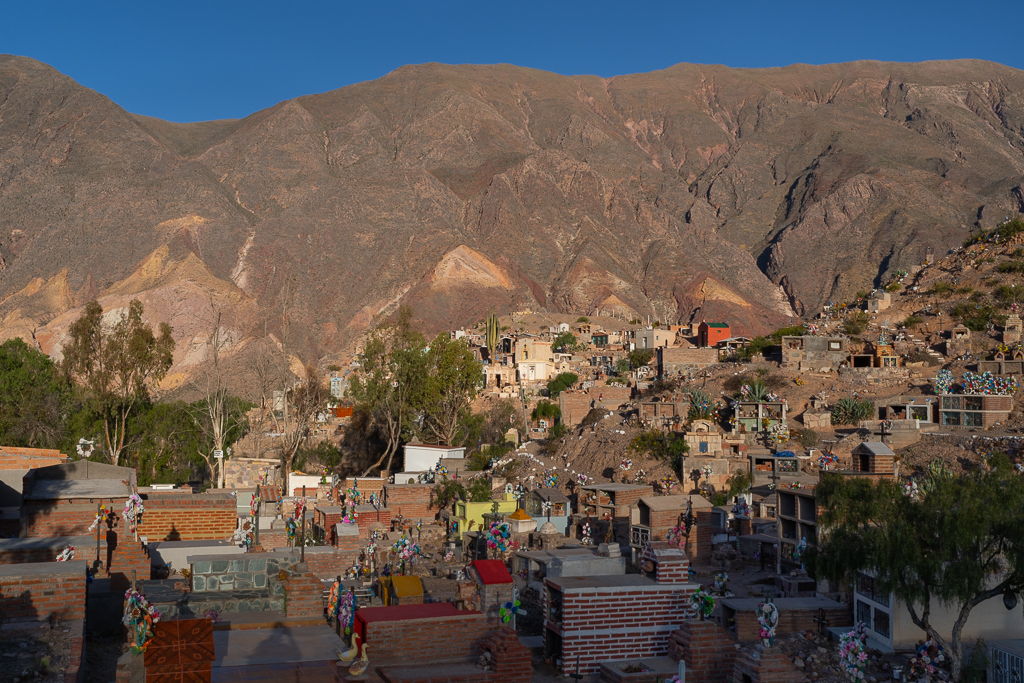
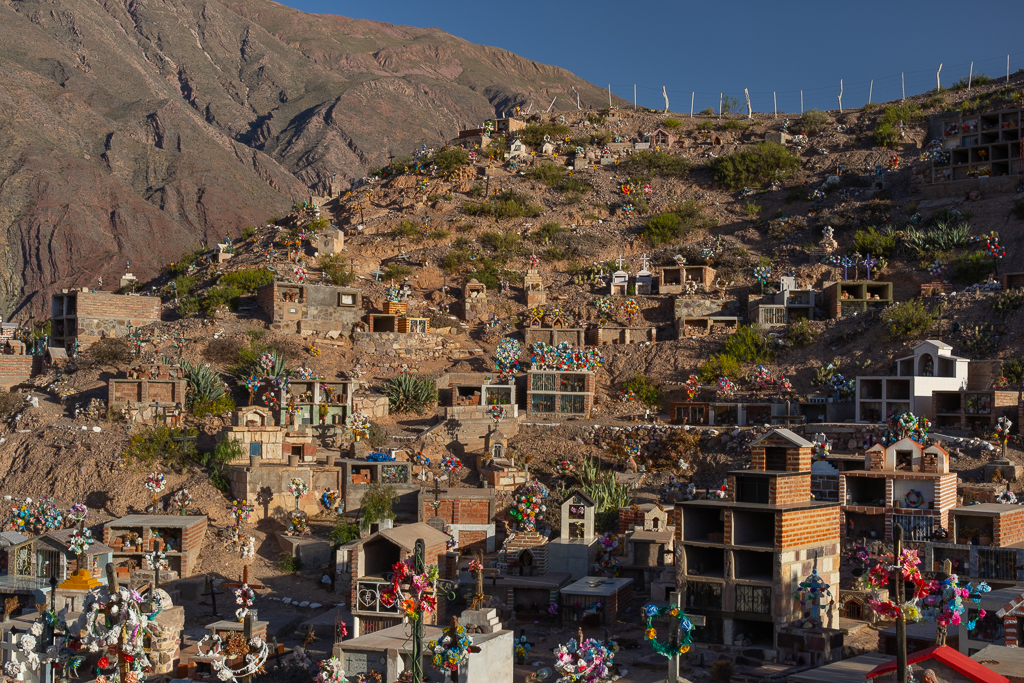
Very impressive is the cemetery in Maimará. It’s built into the hills surrounding the village and looks very different from the cemeteries in Europe.
Tilcara
Just 7.5 km north of Maimará you can find Tilcara. It’s a beautiful village but it’s also overrun by tourists from all over the world.
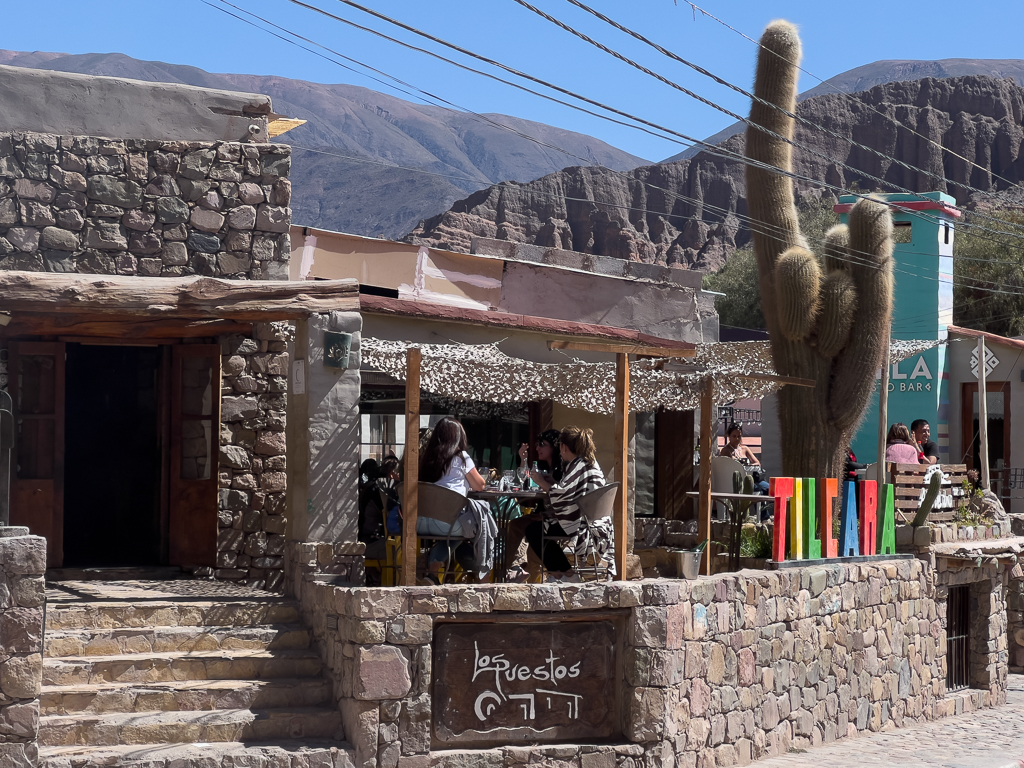

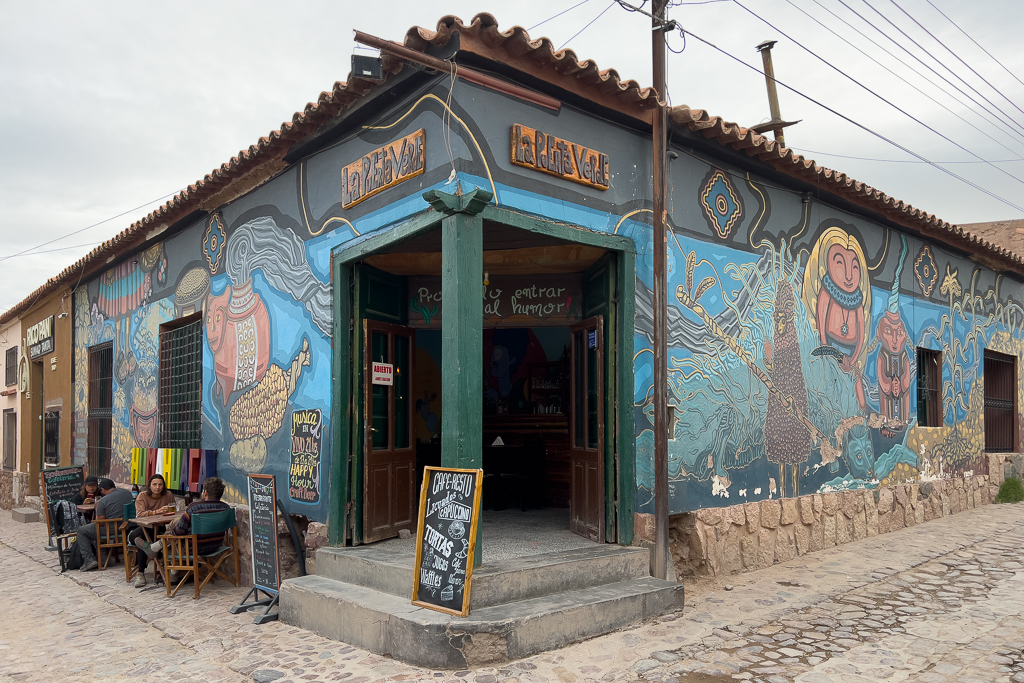
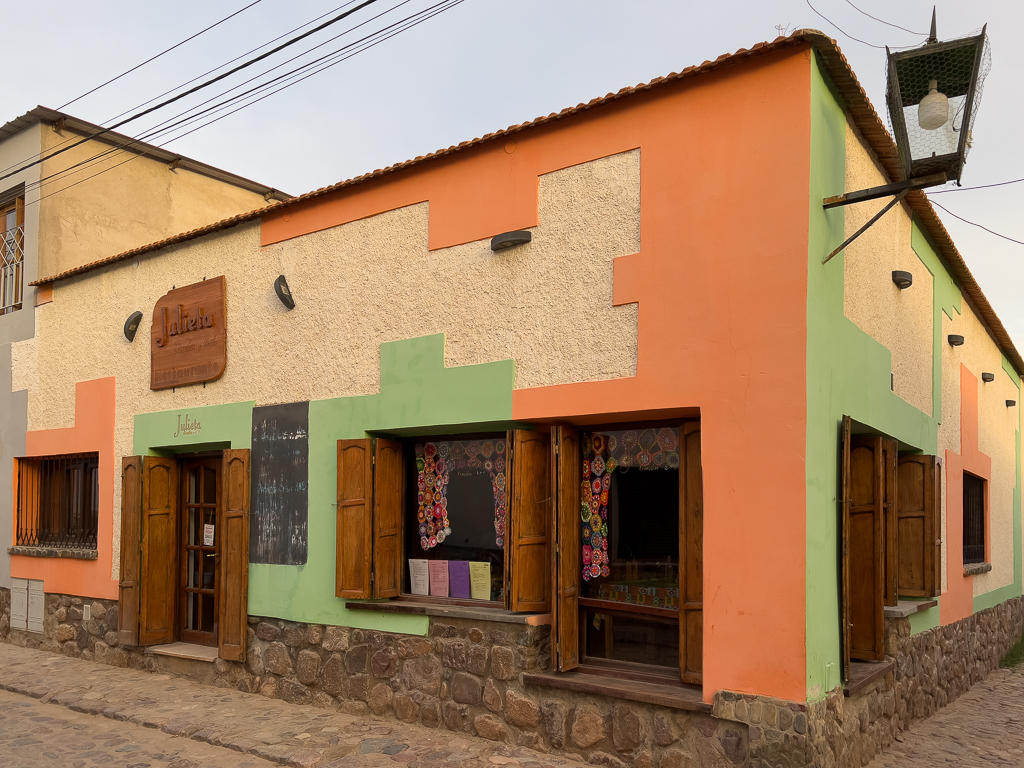
There are countless nice restaurants and cafés throughout the city.
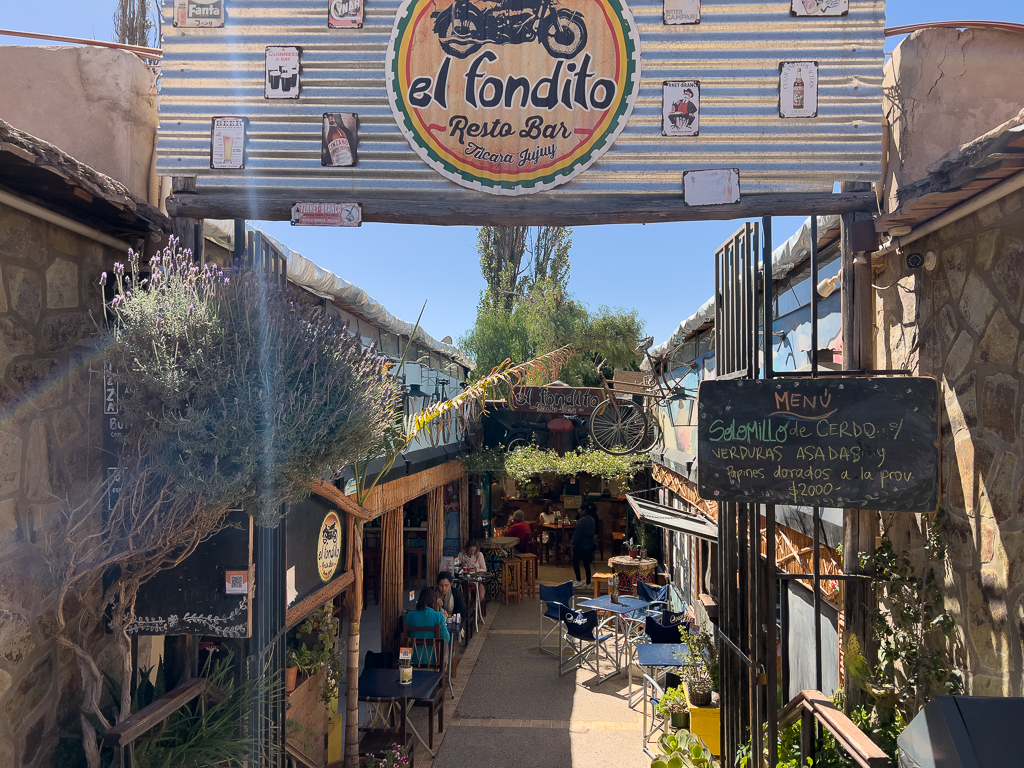
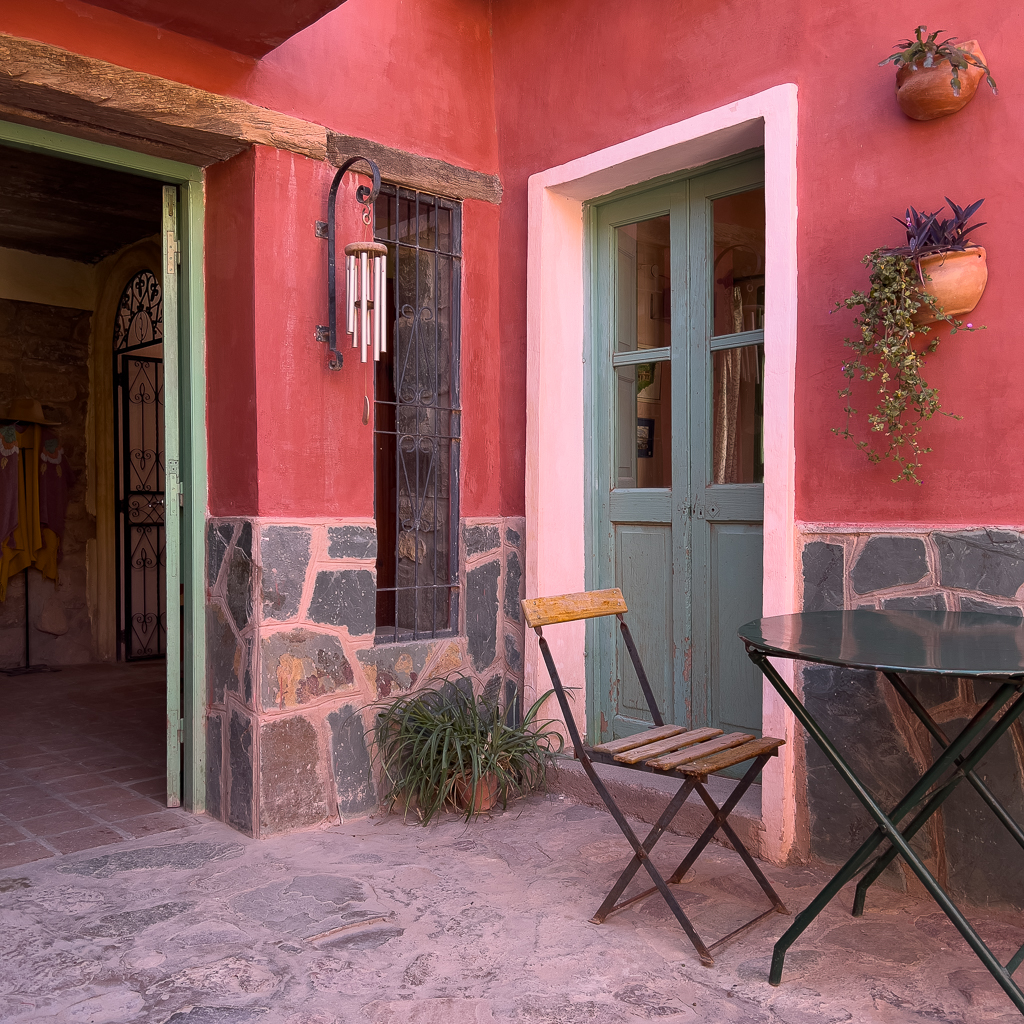
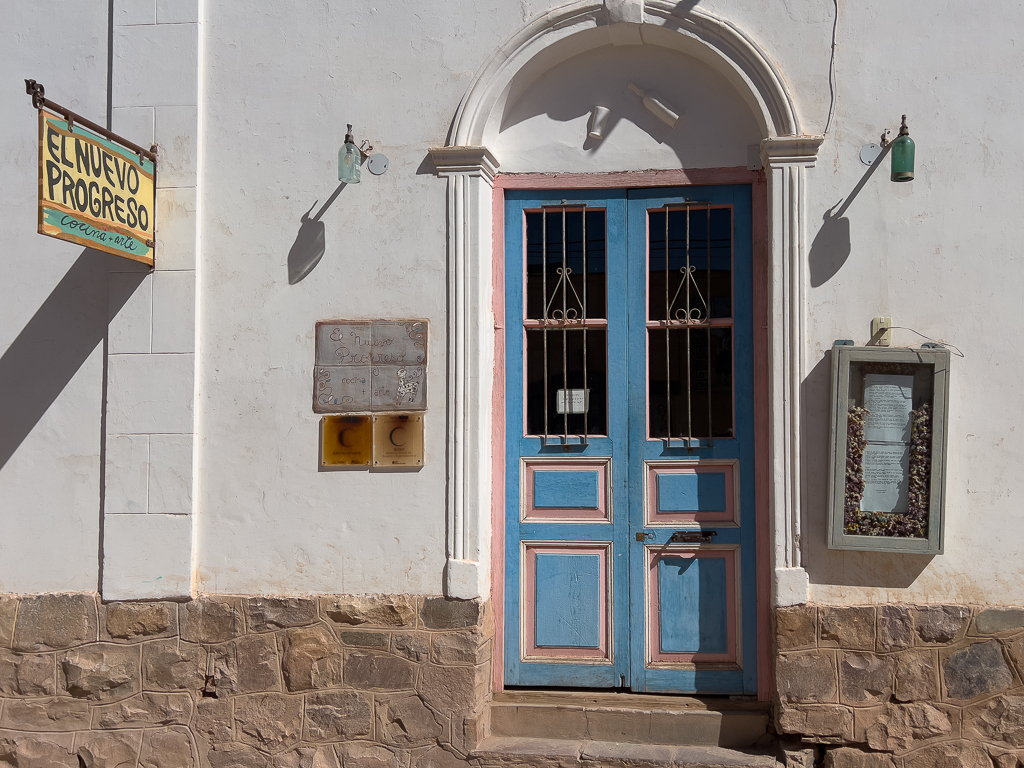
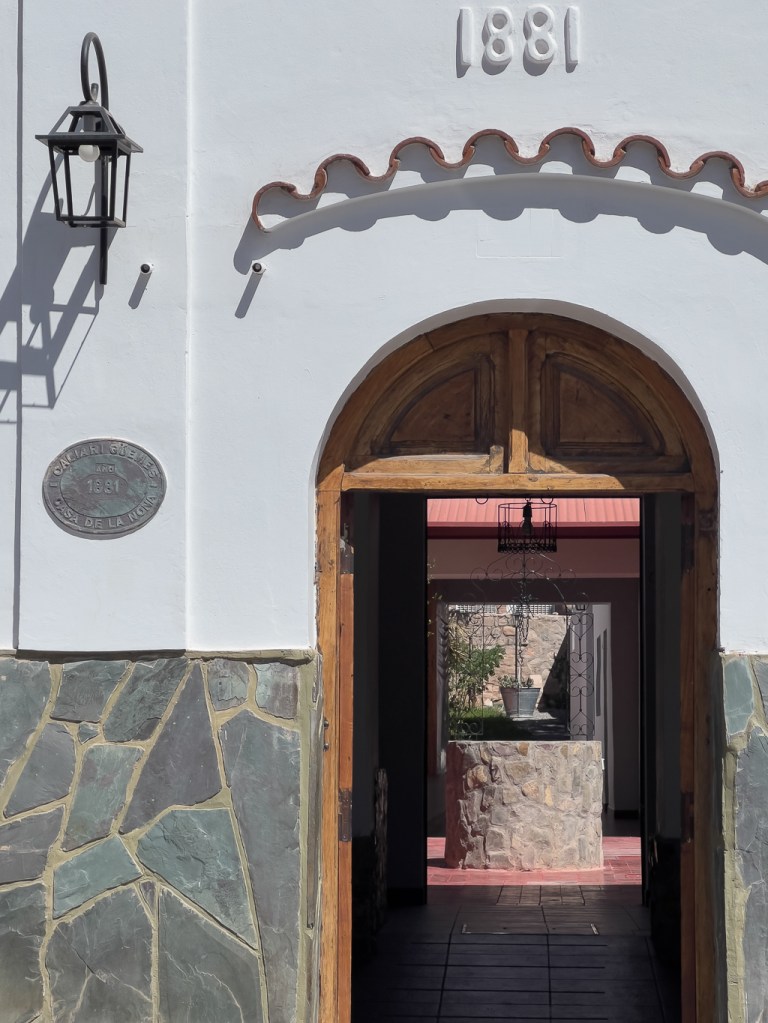
You can also find many beautifully restored historic buildings in Tilcara.
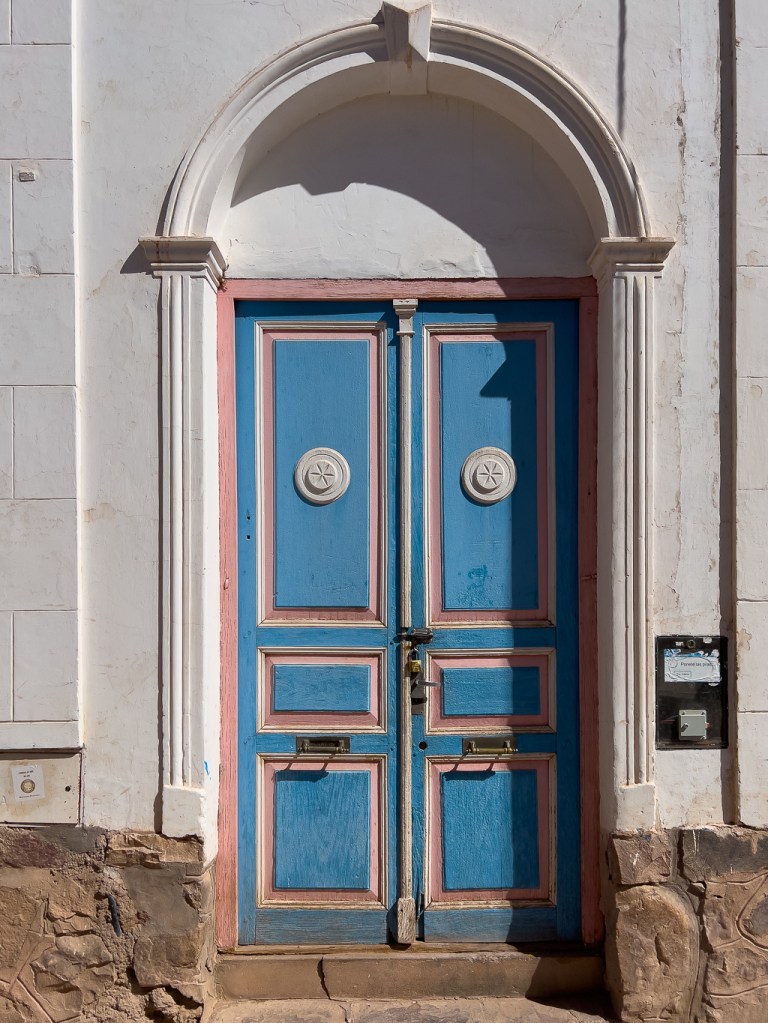
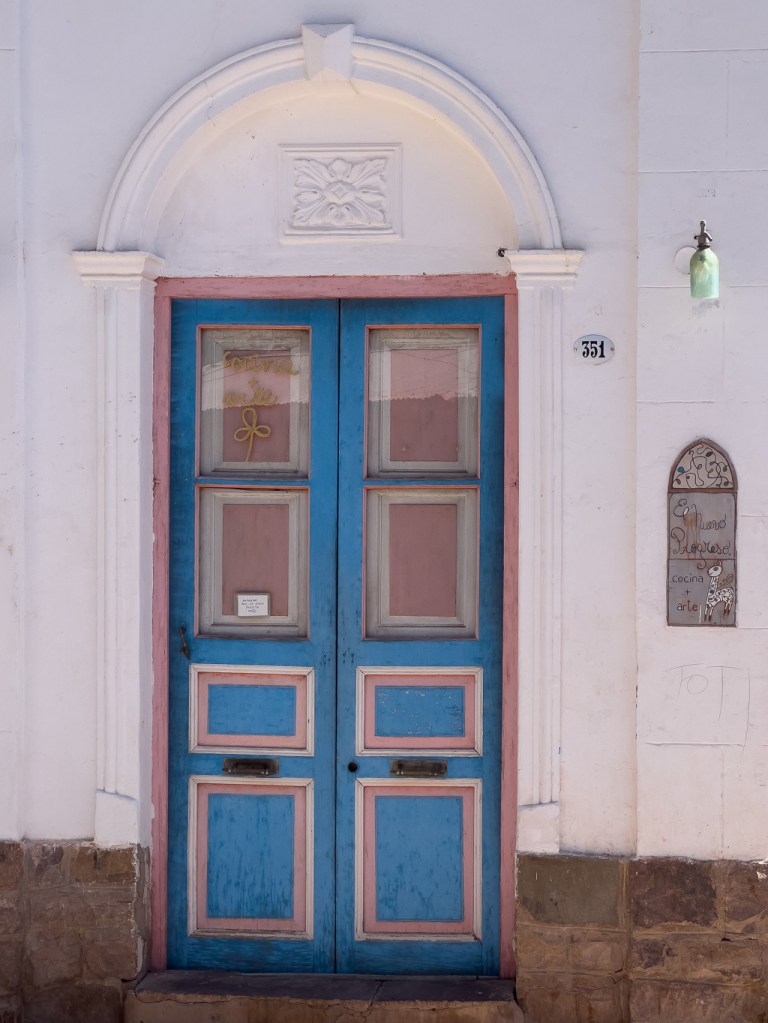
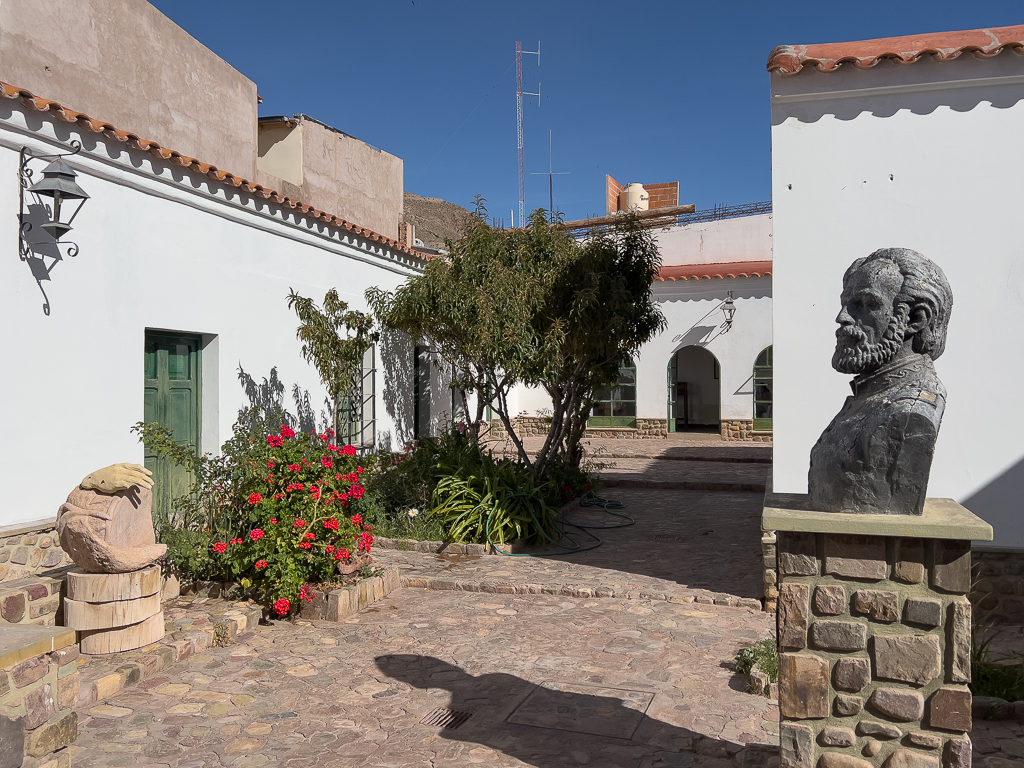
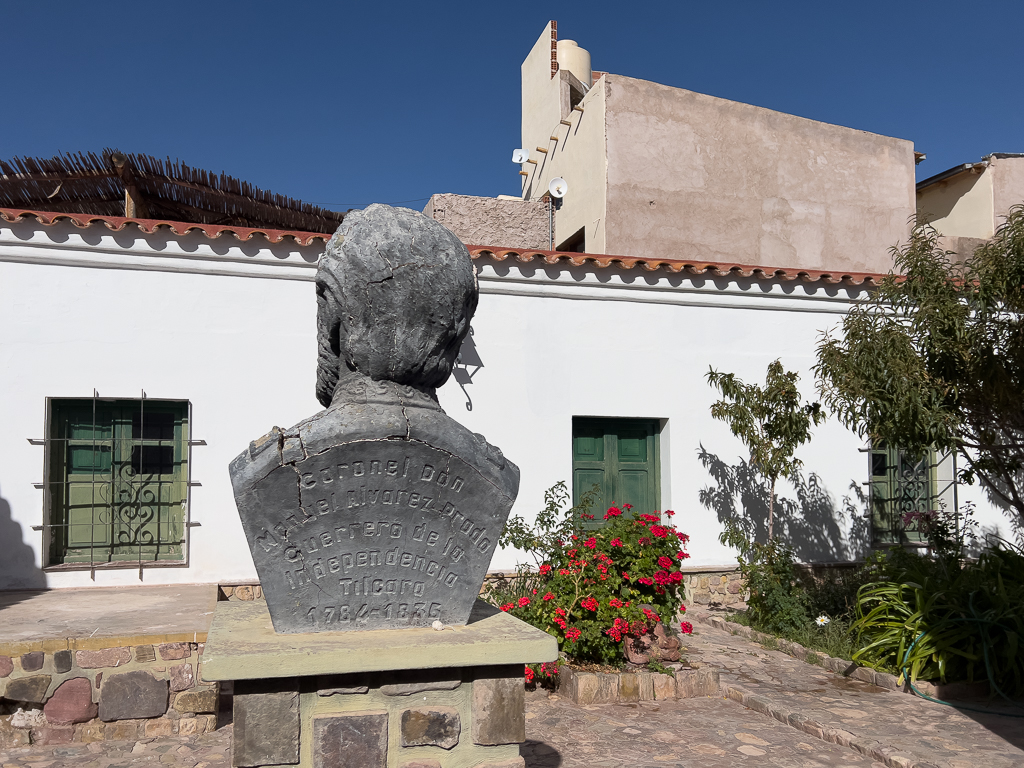

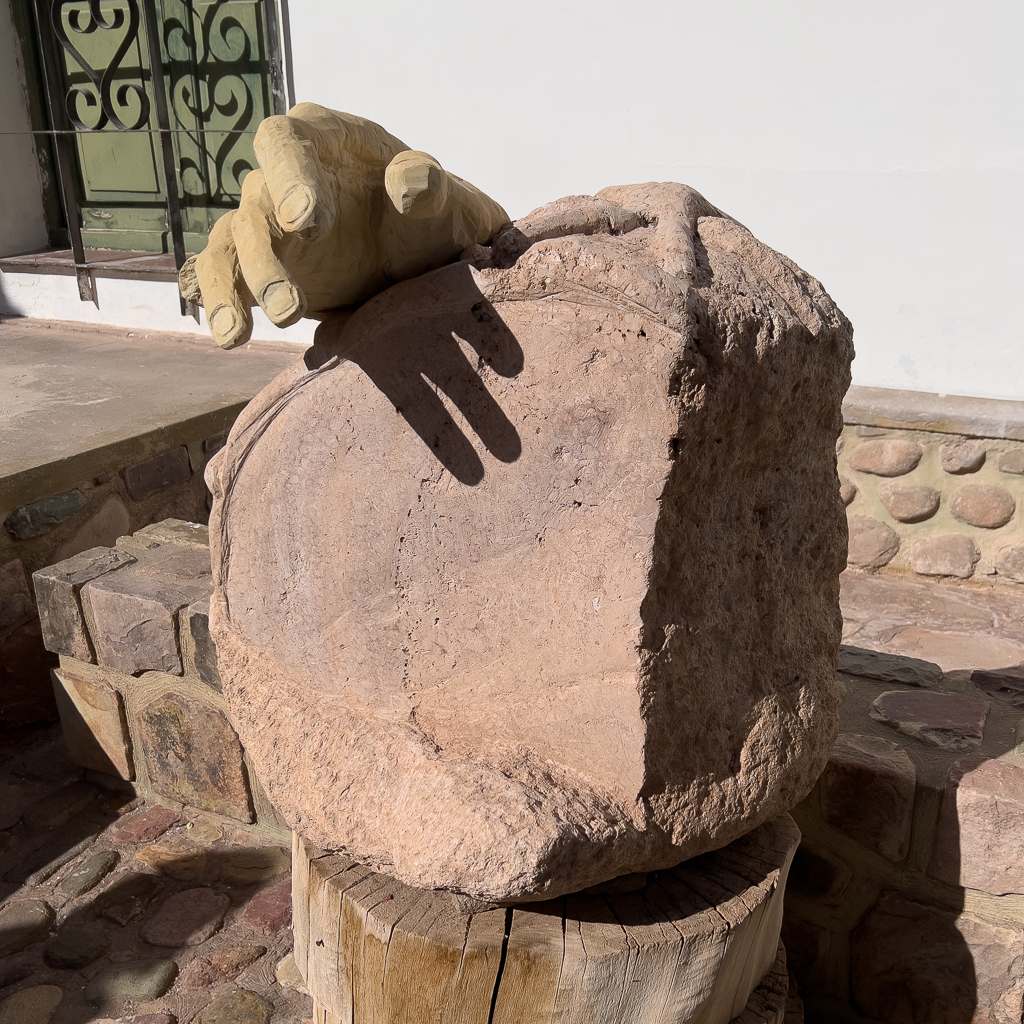
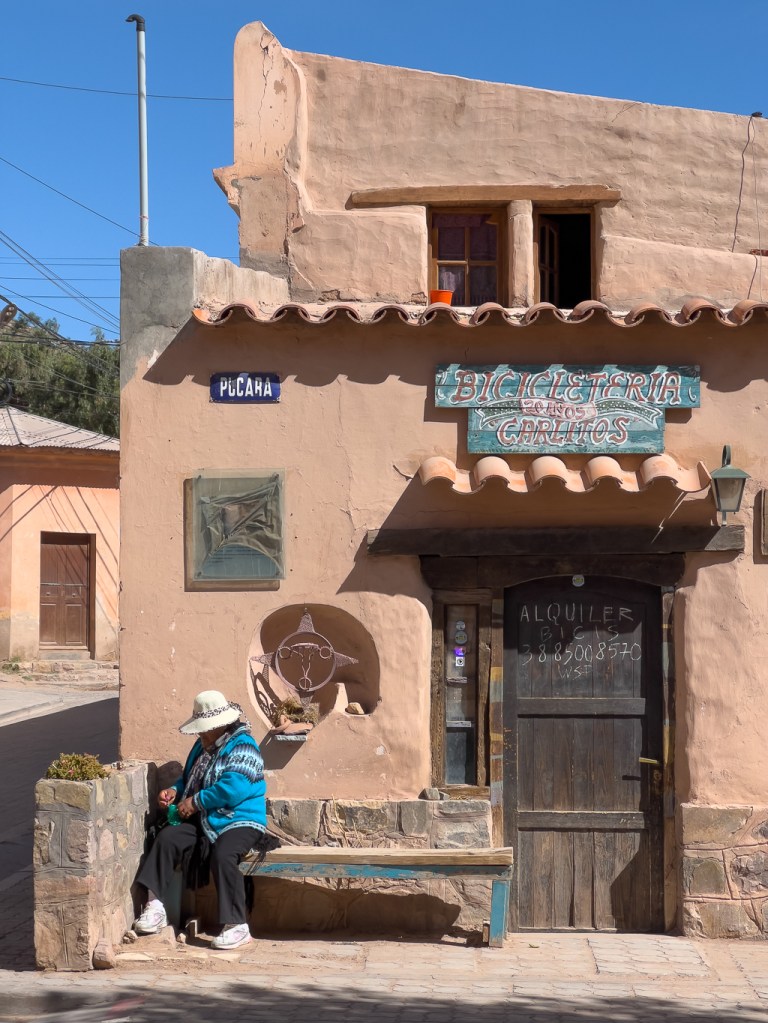
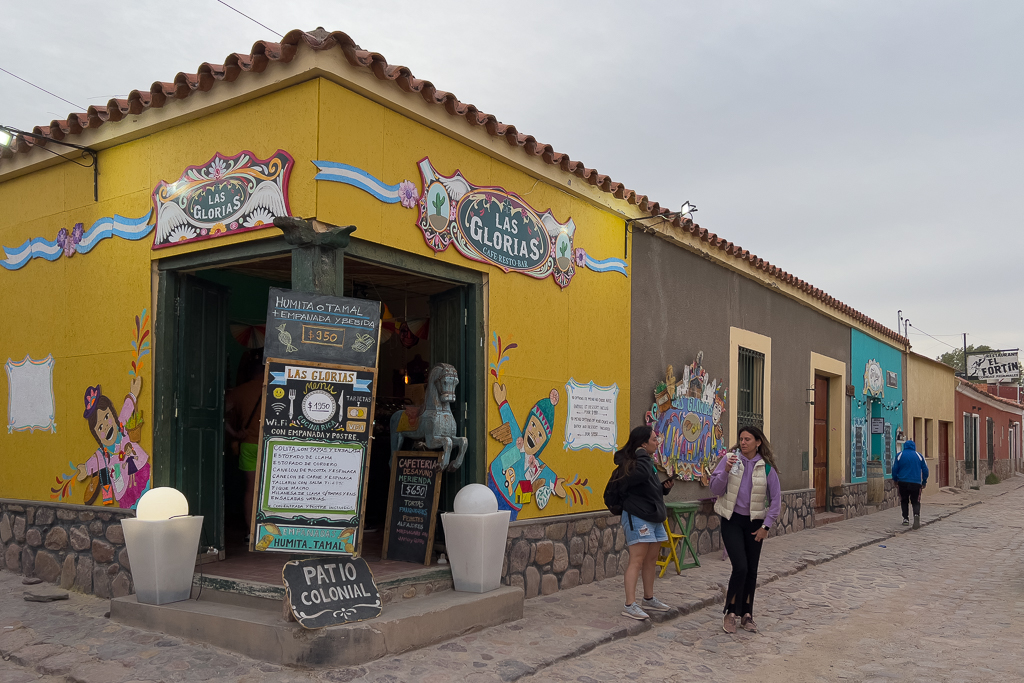
Many of the buildings in Tilcara are painted in intense colors.
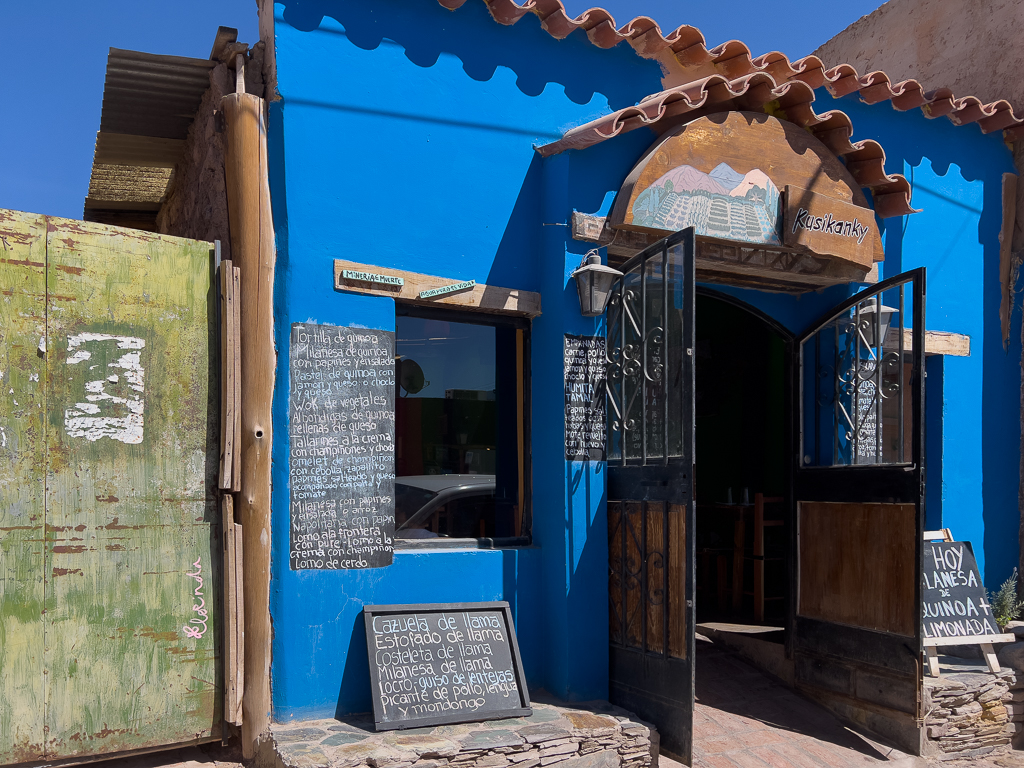
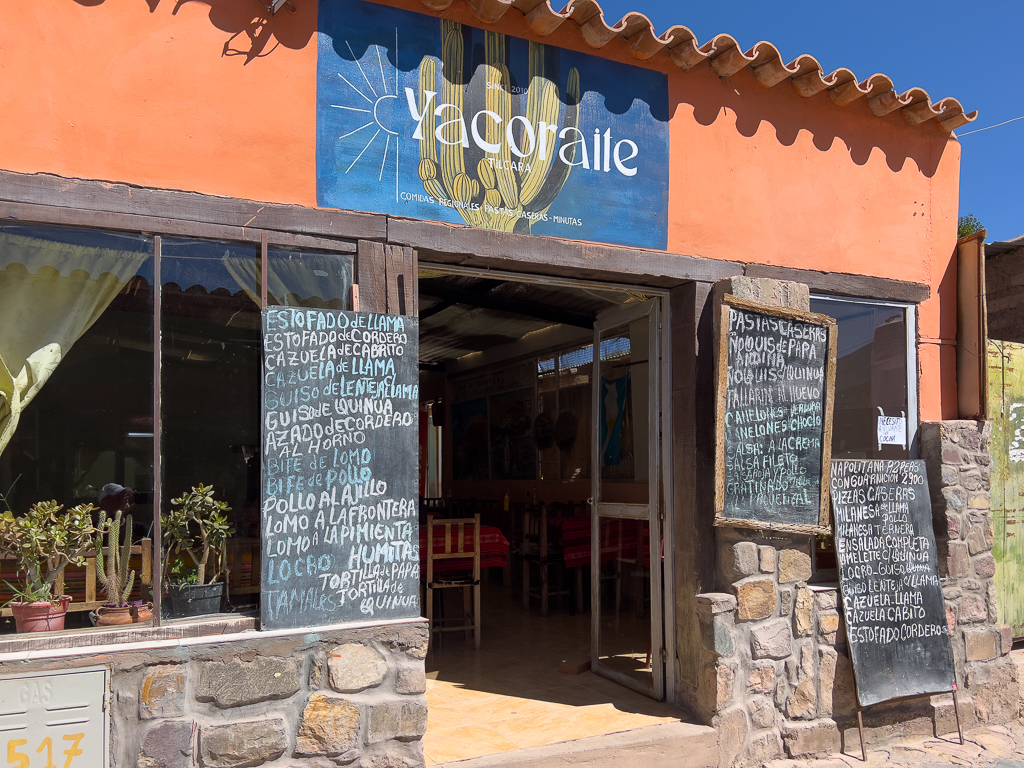
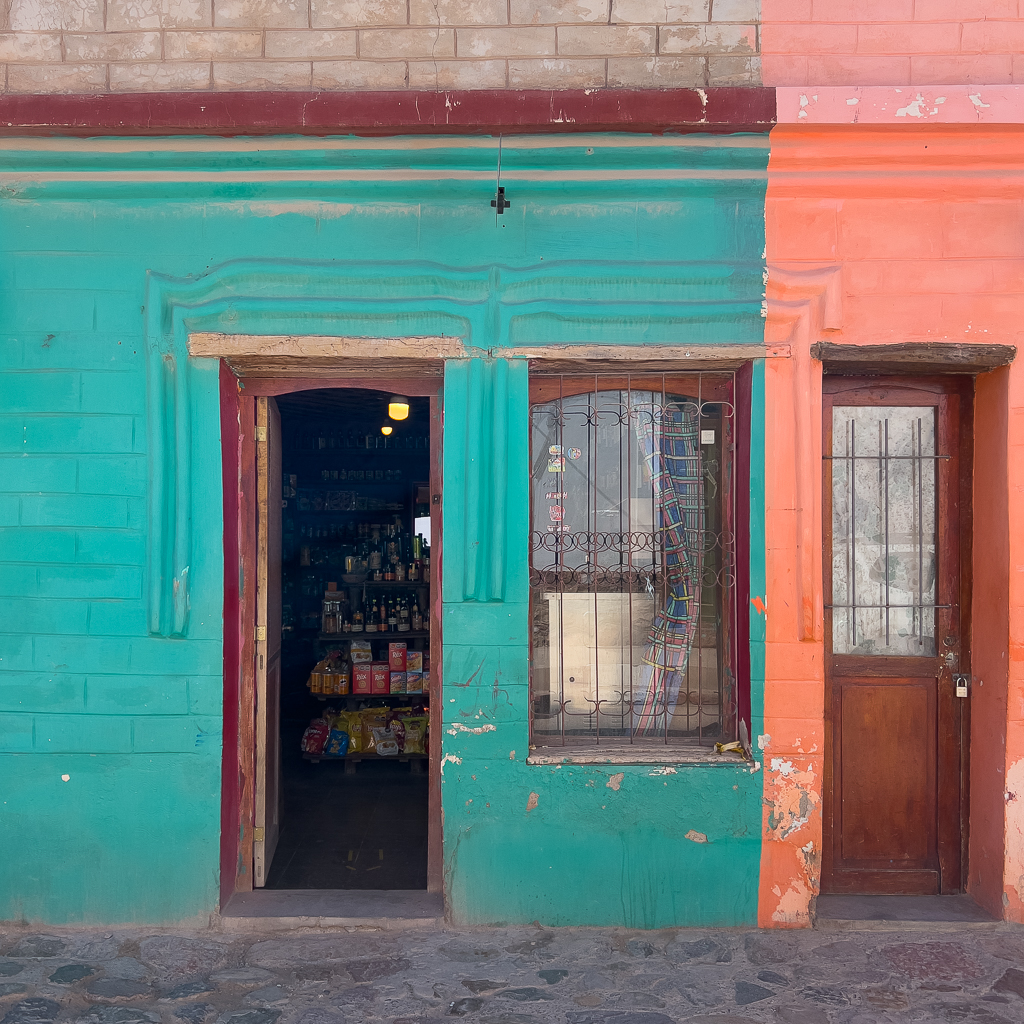
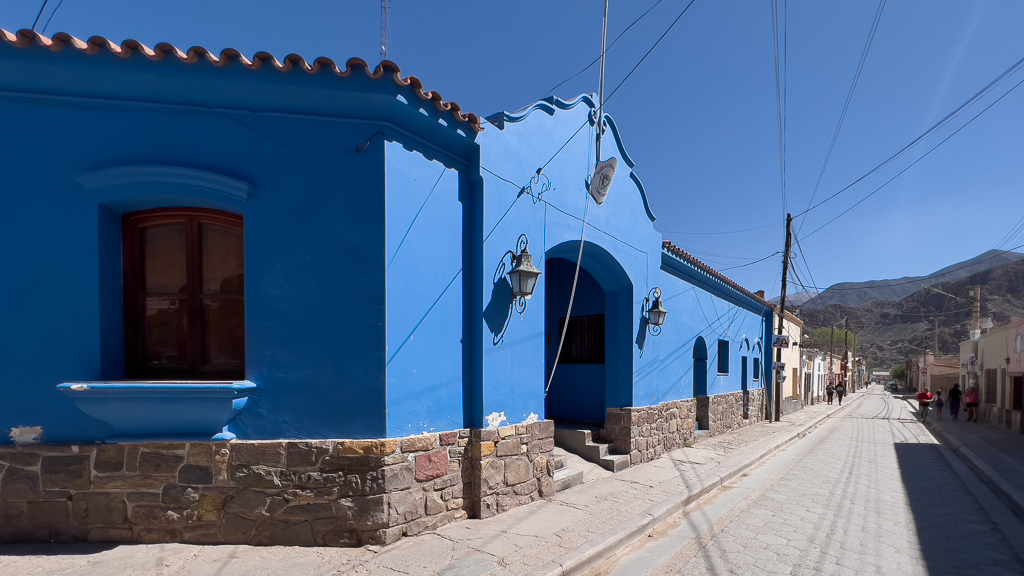
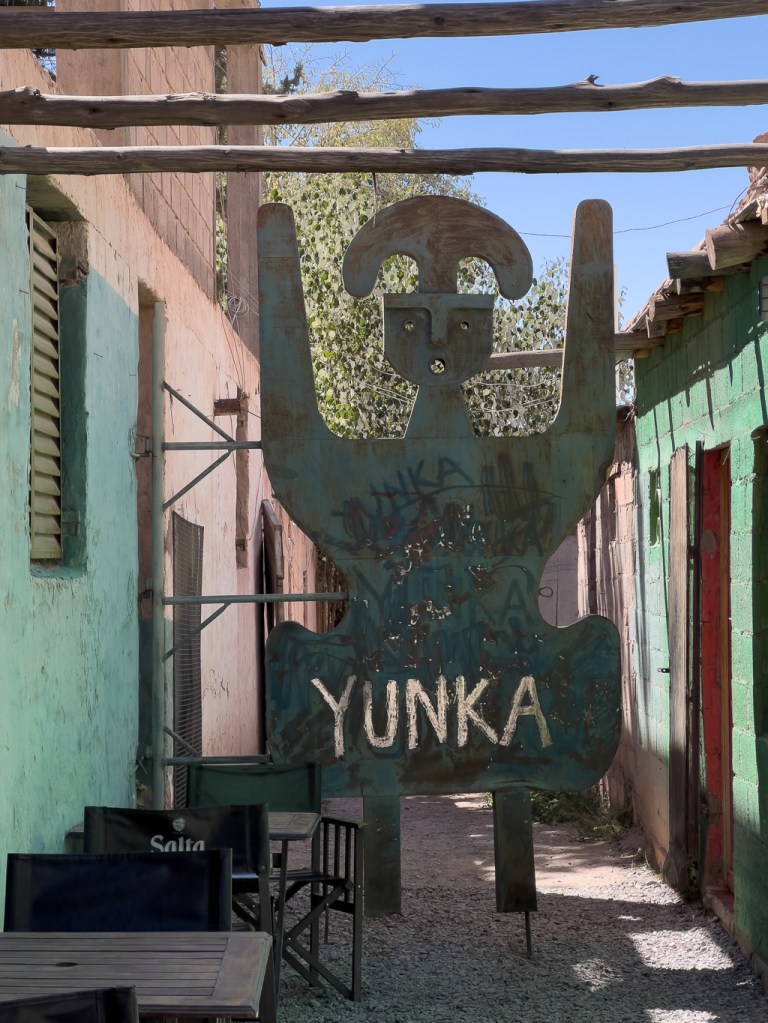
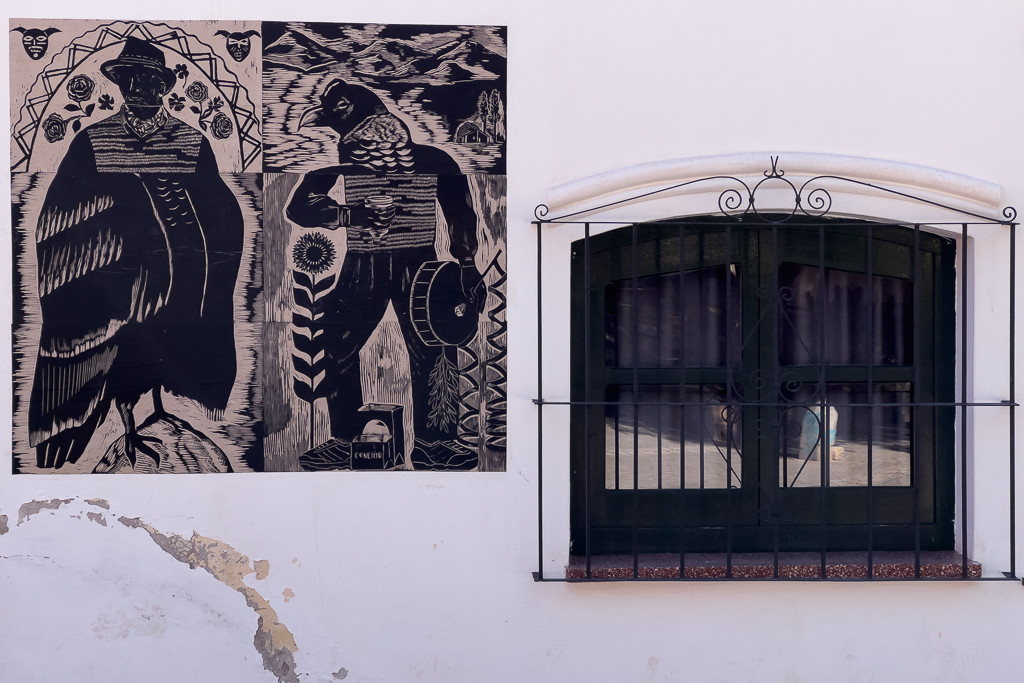
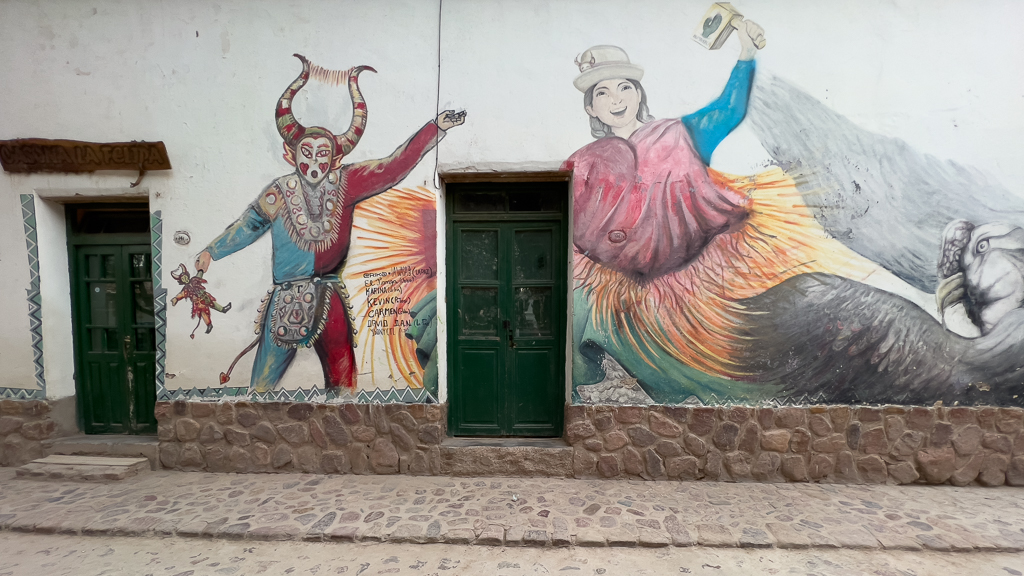
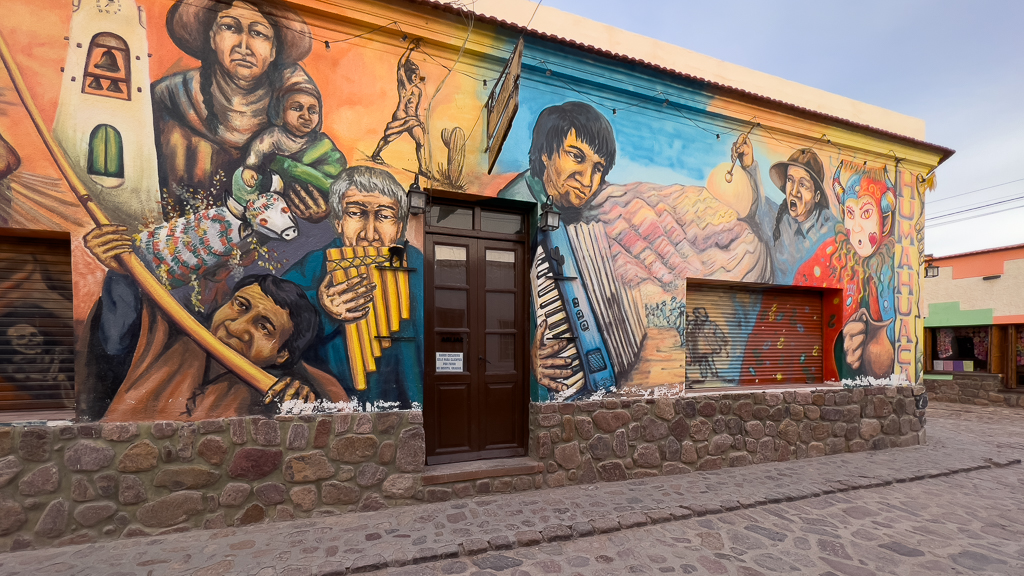
In addition, you can find some interesting street art and graffiti throughout the city.
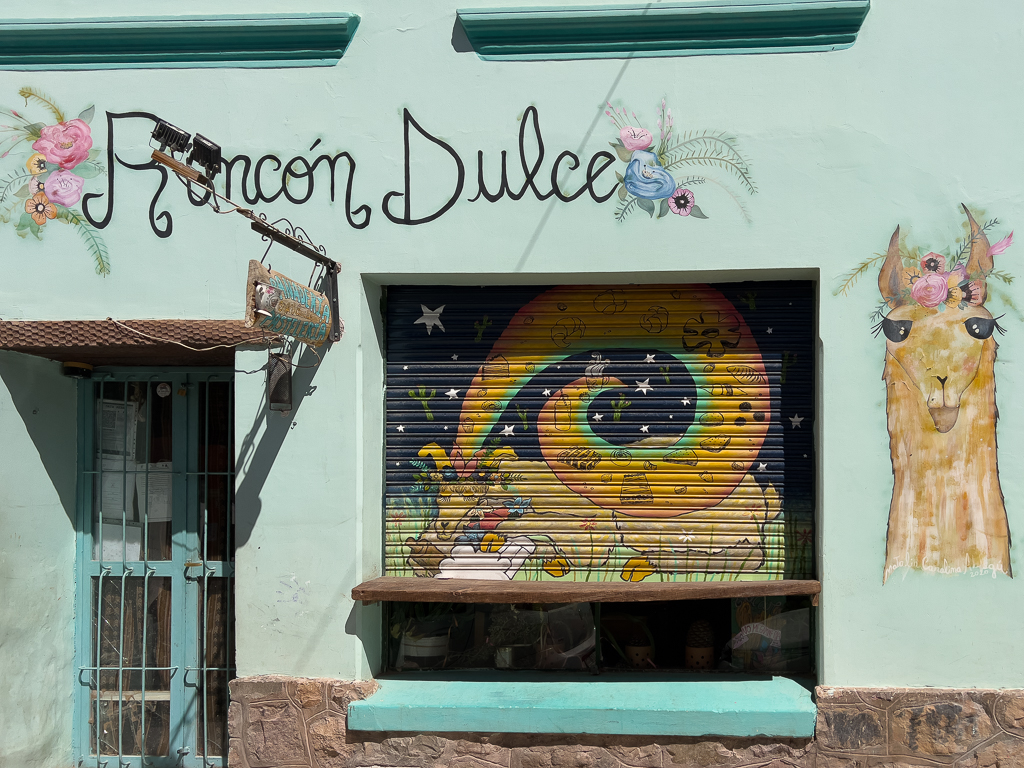
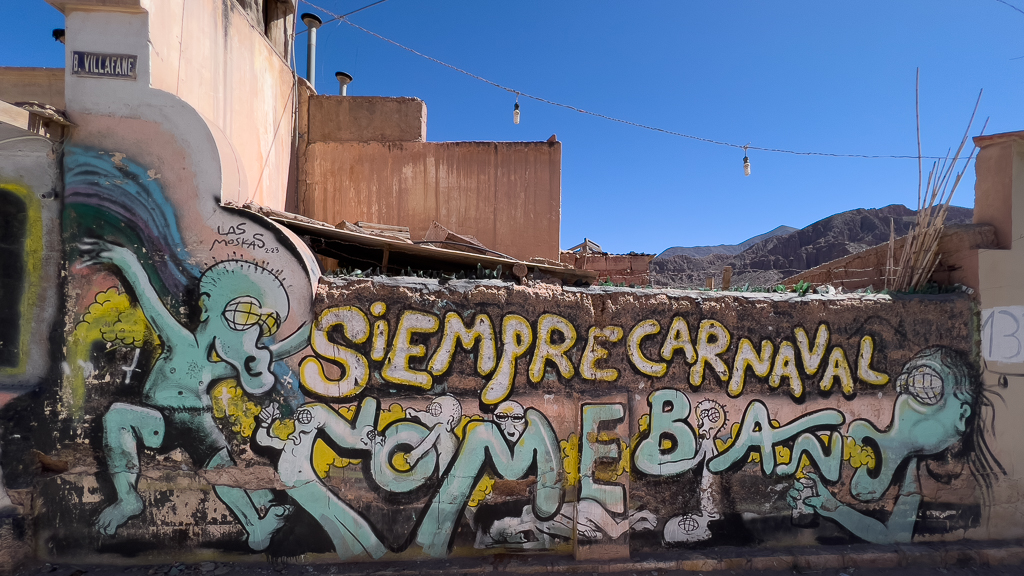
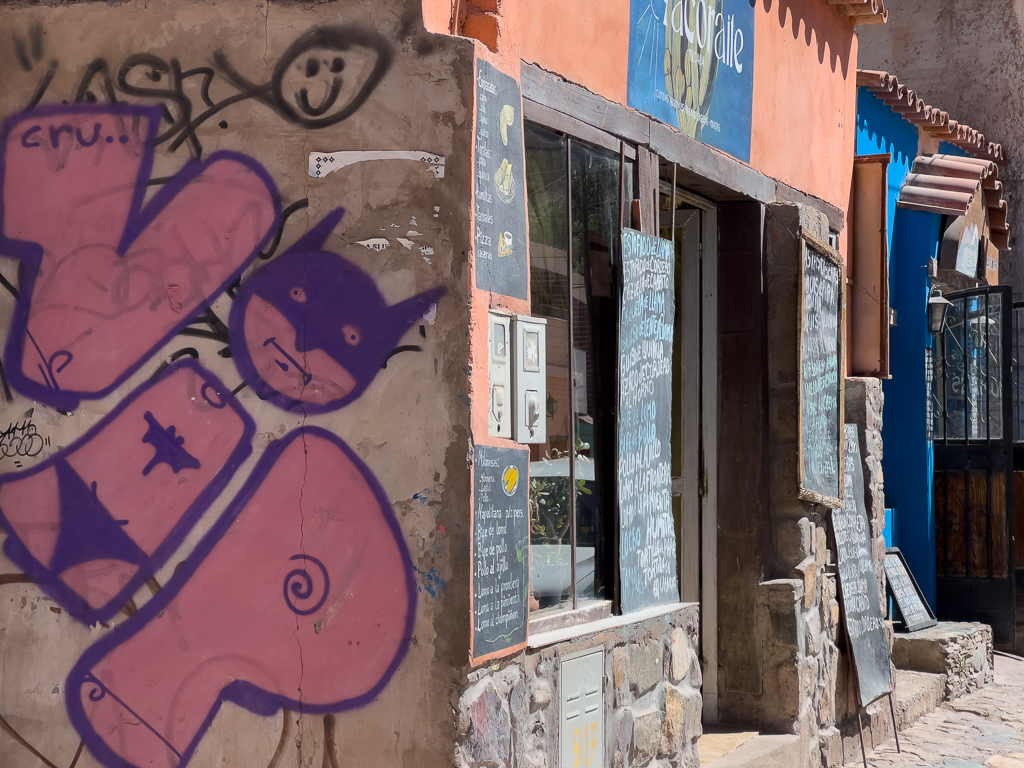
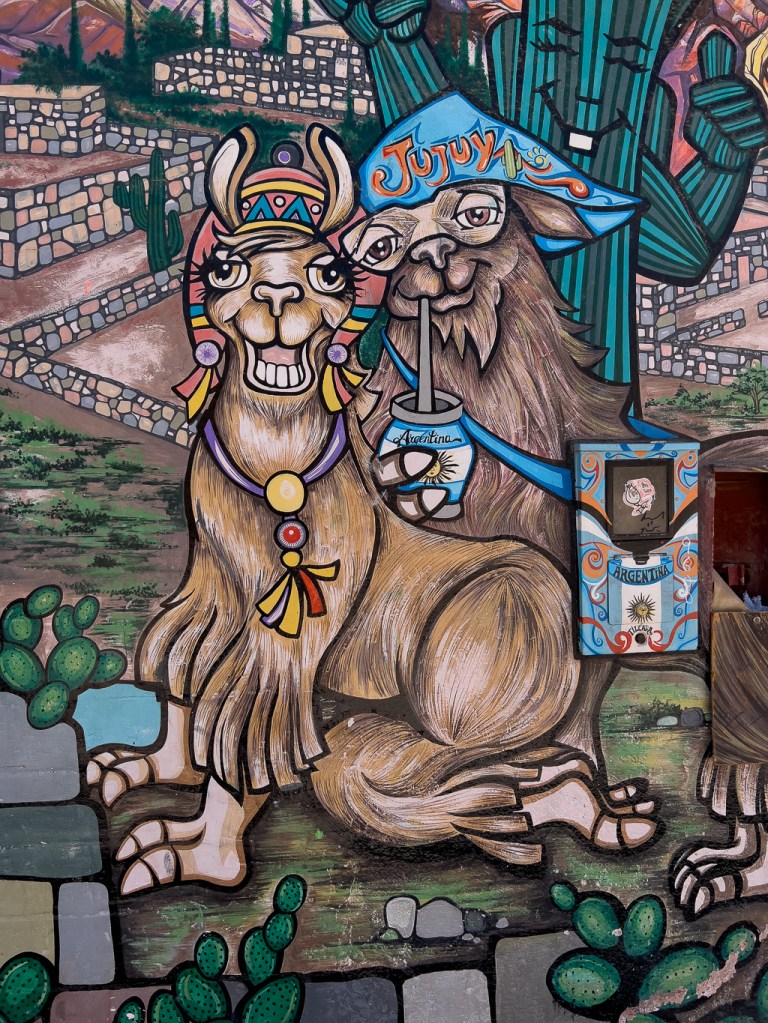
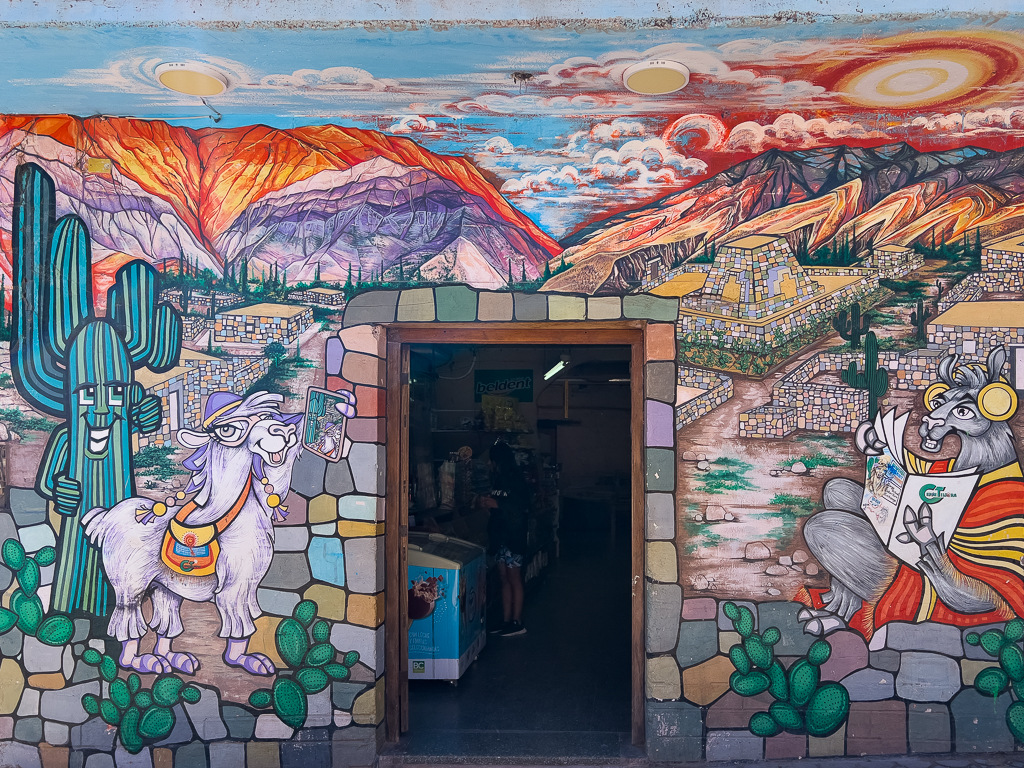

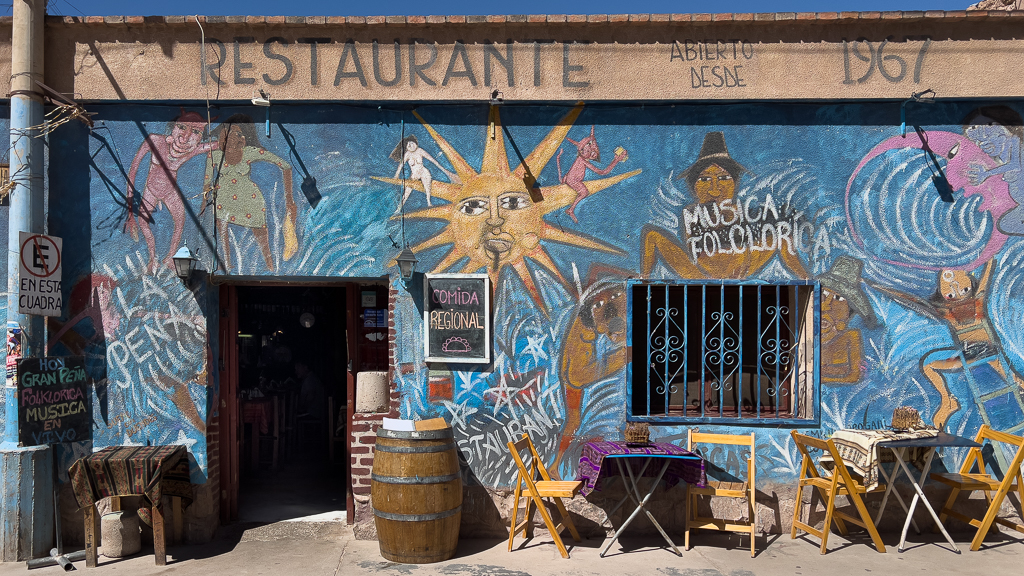
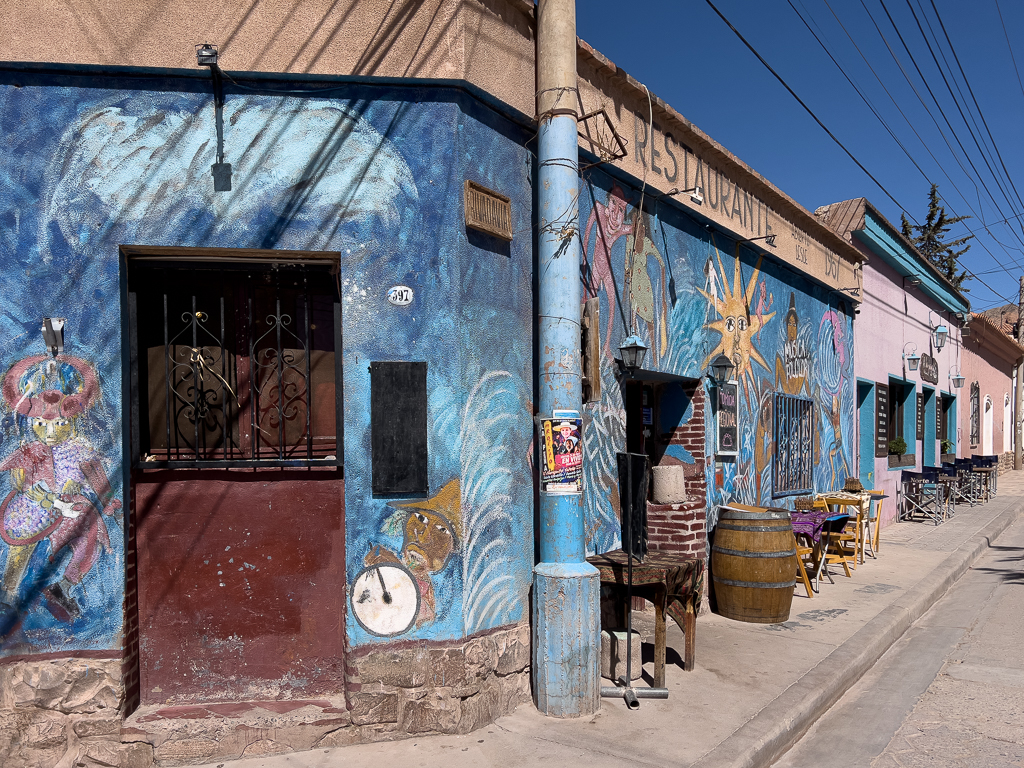
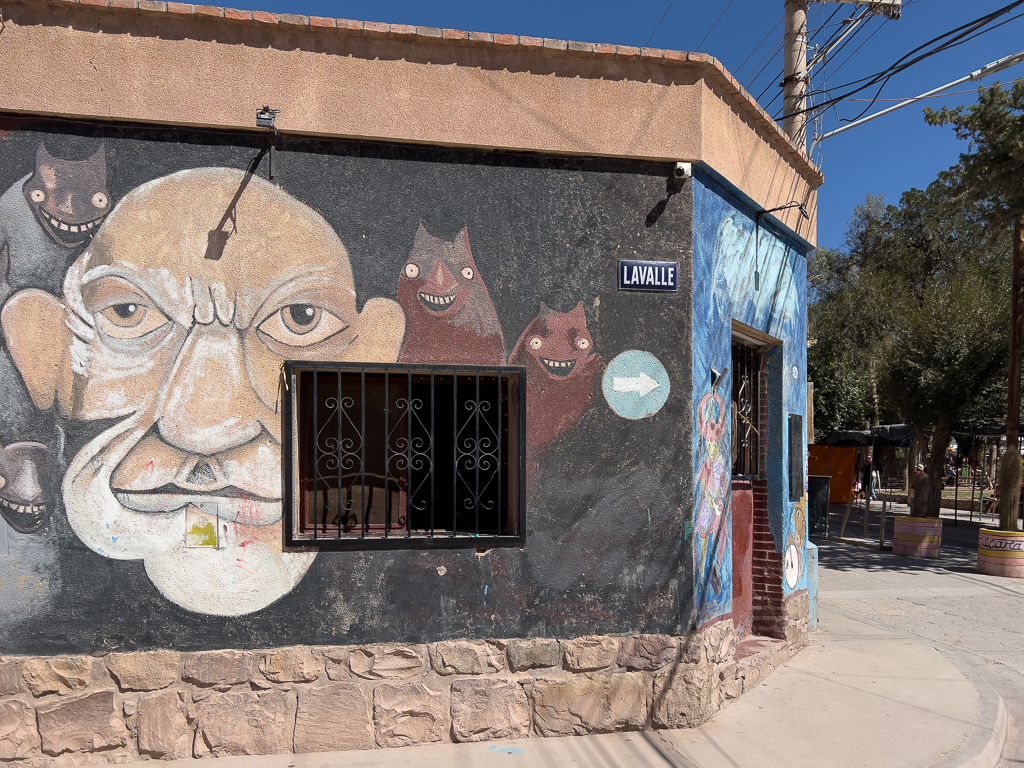
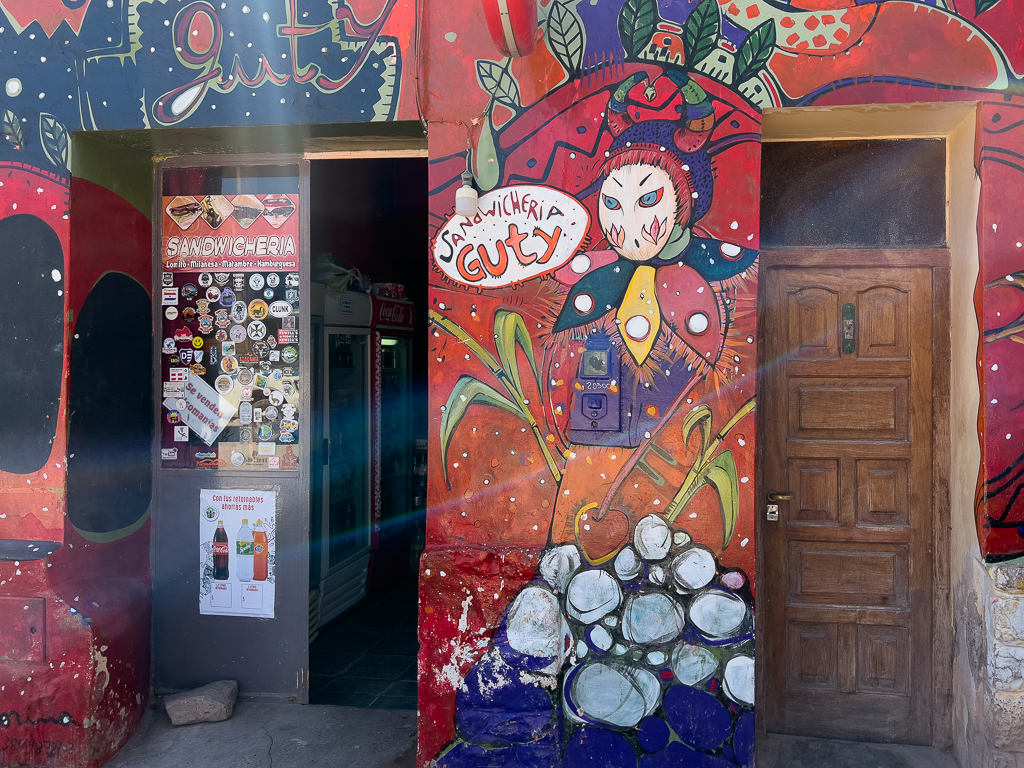
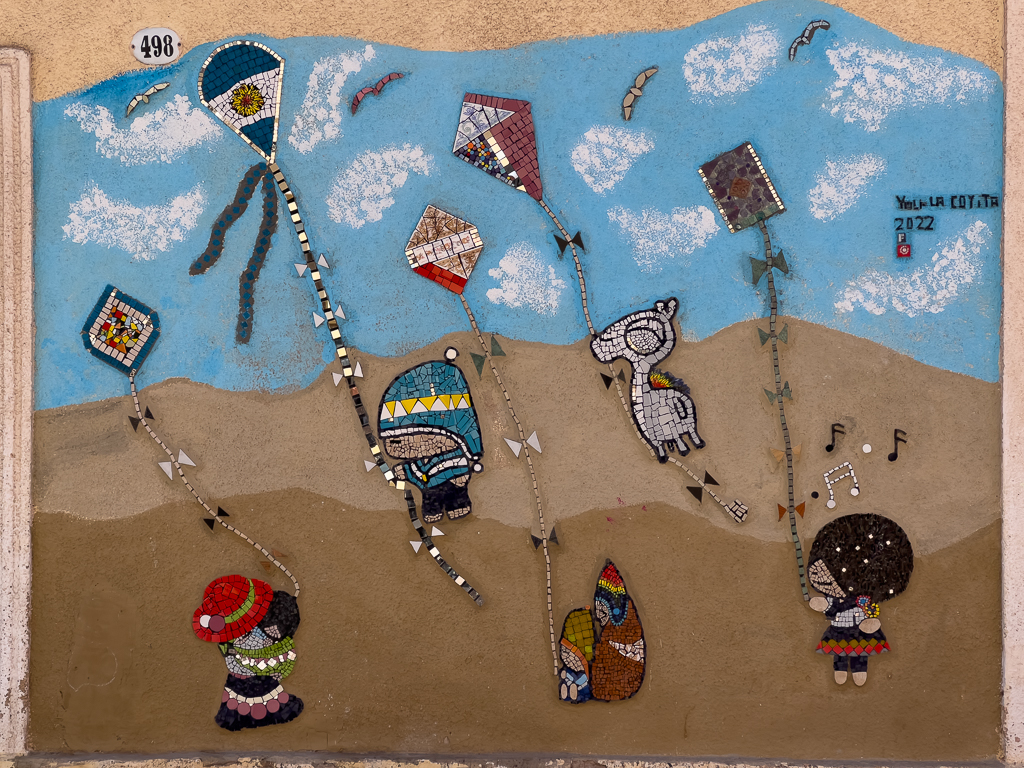
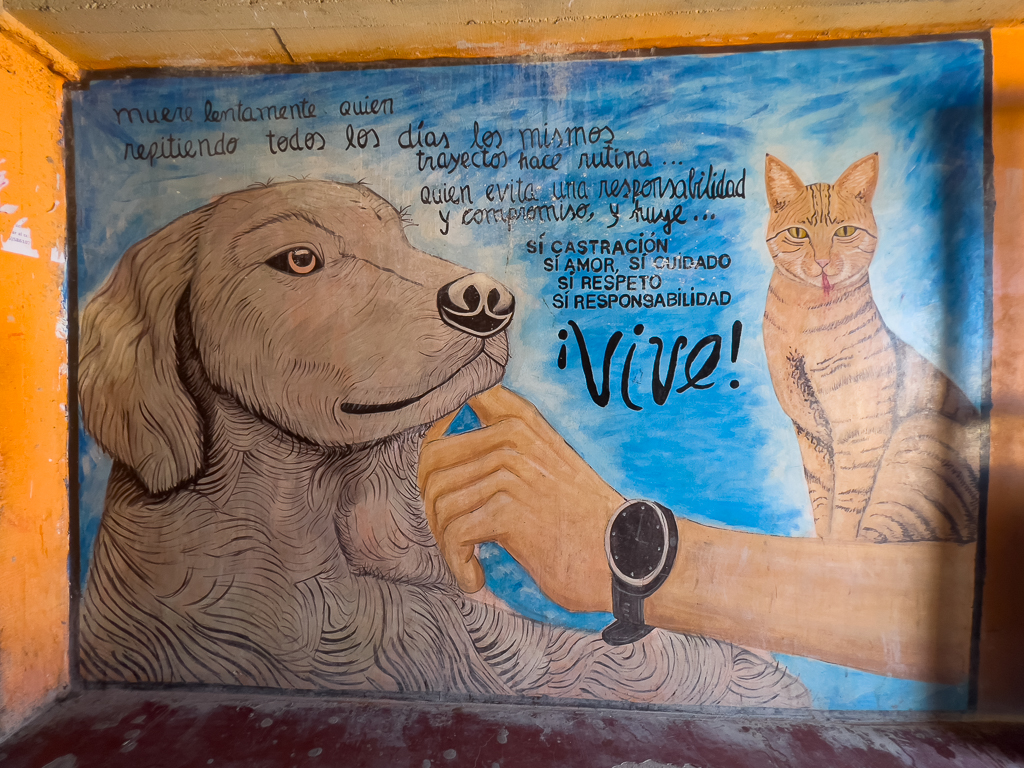
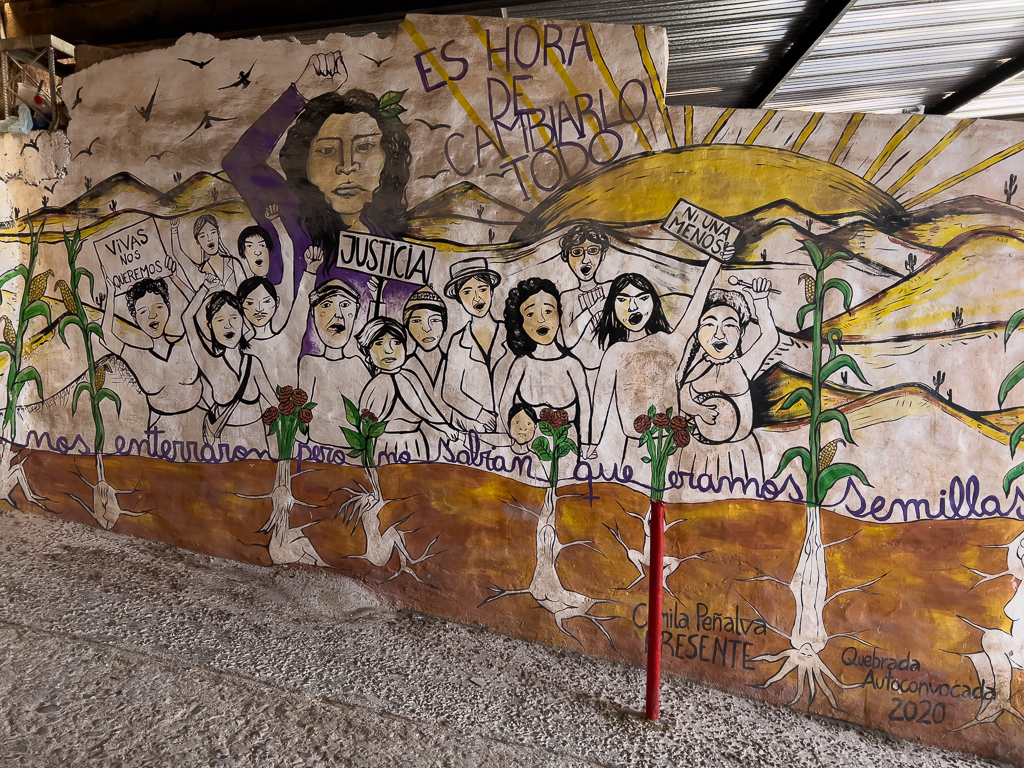
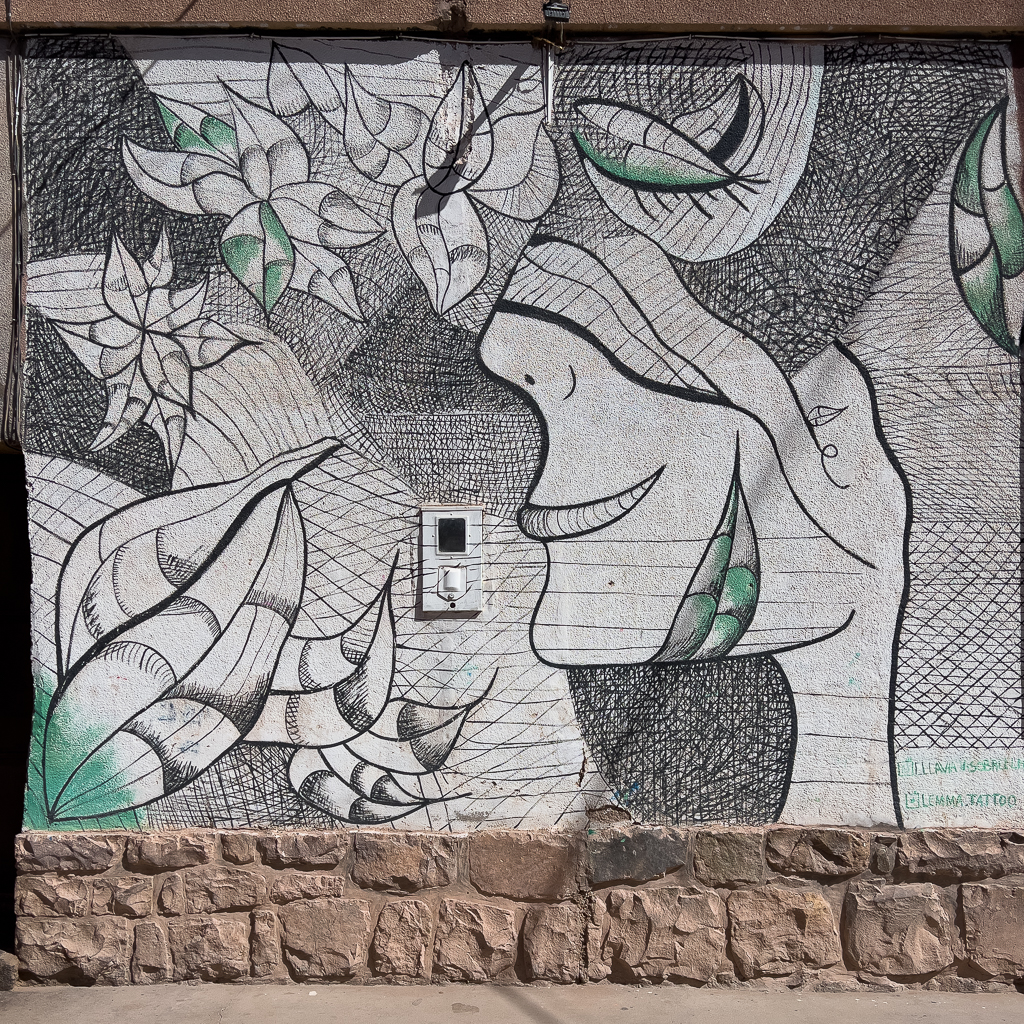
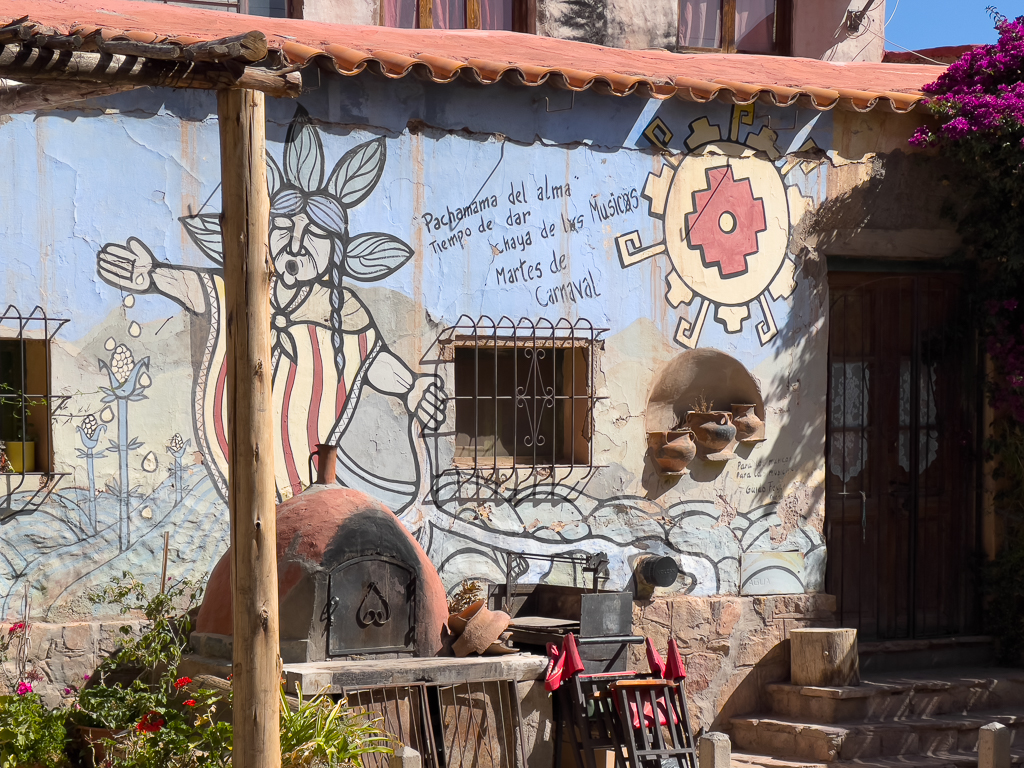
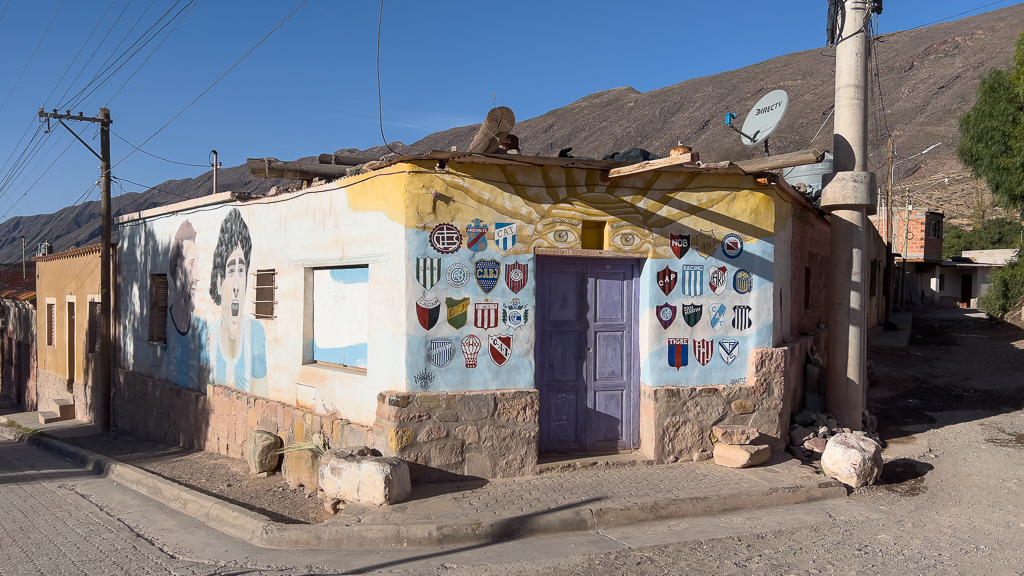
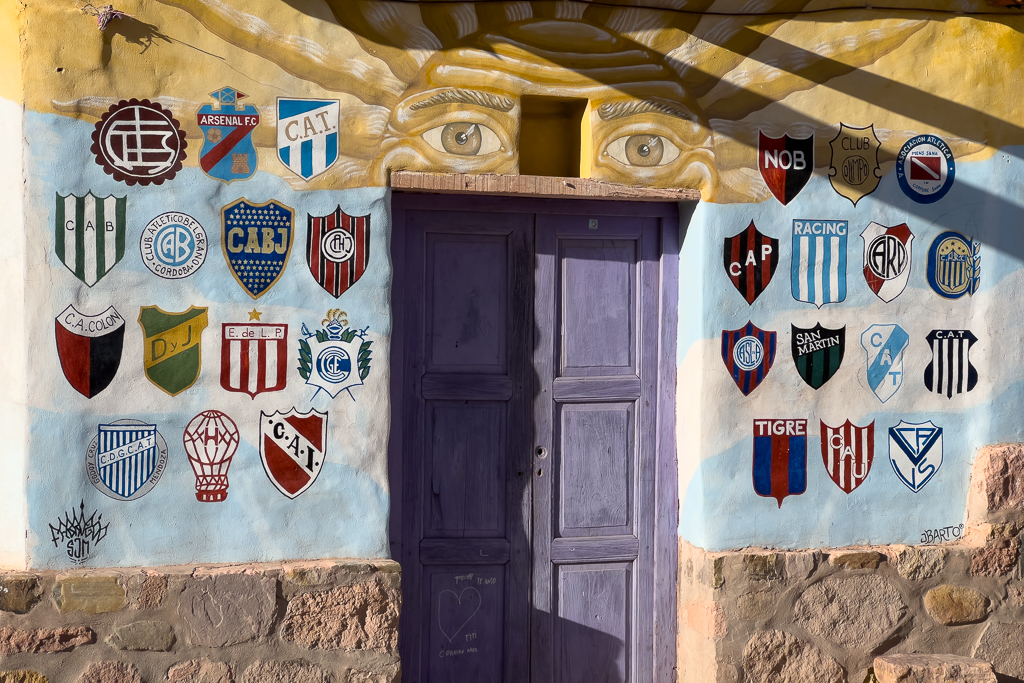
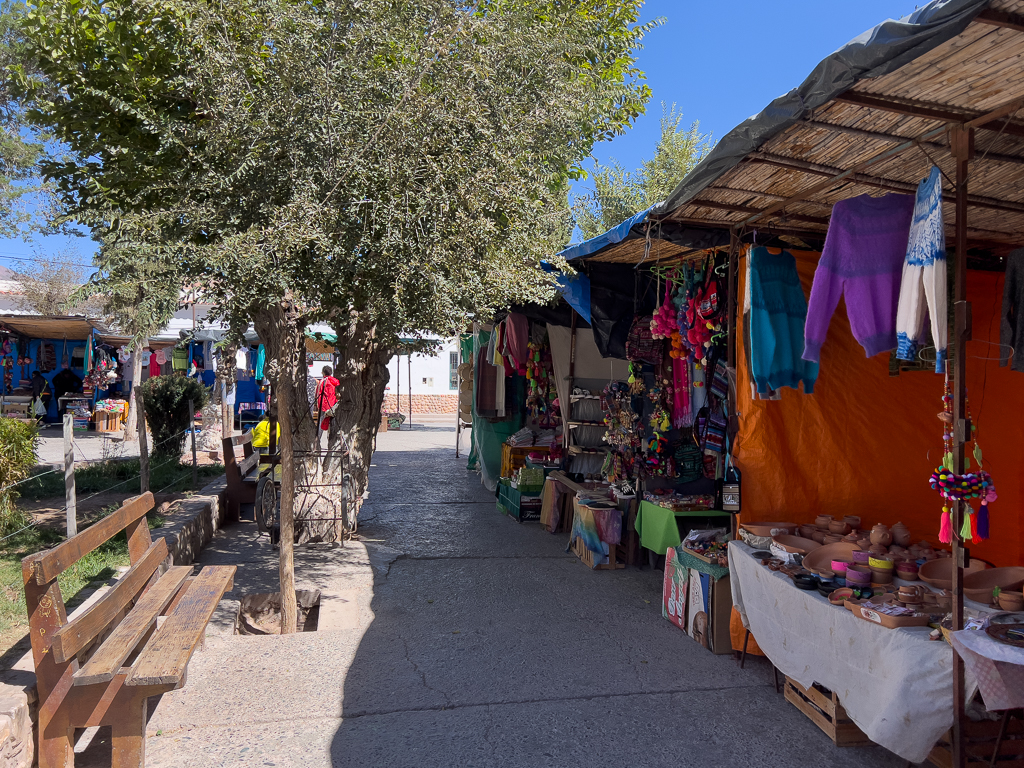
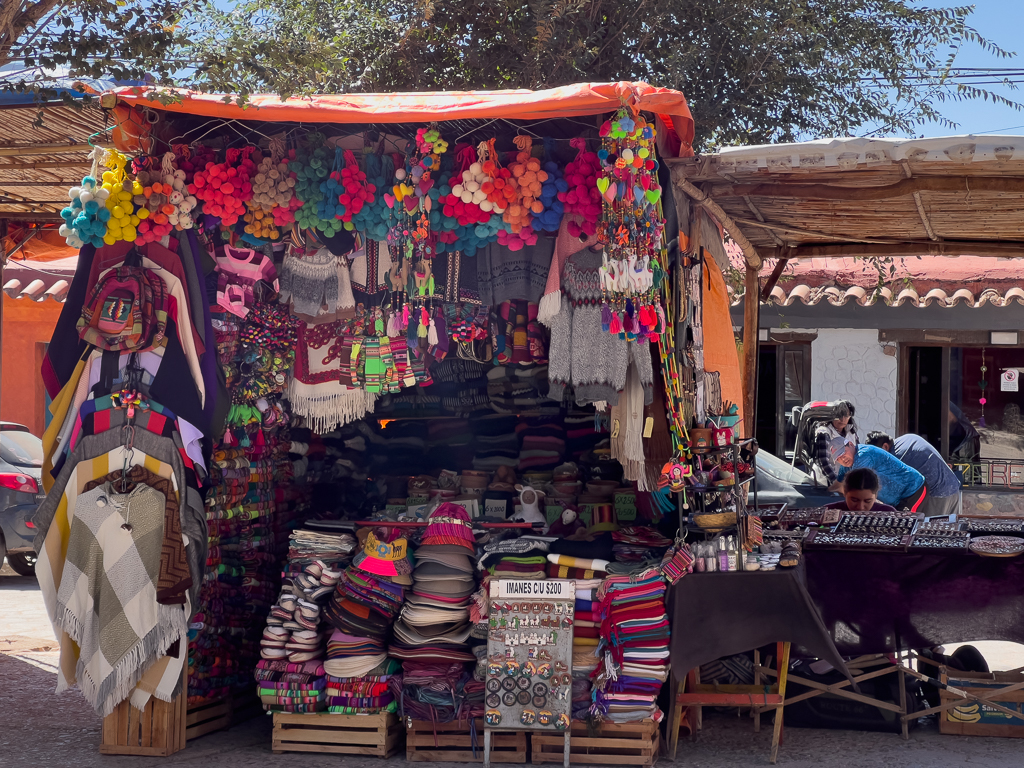
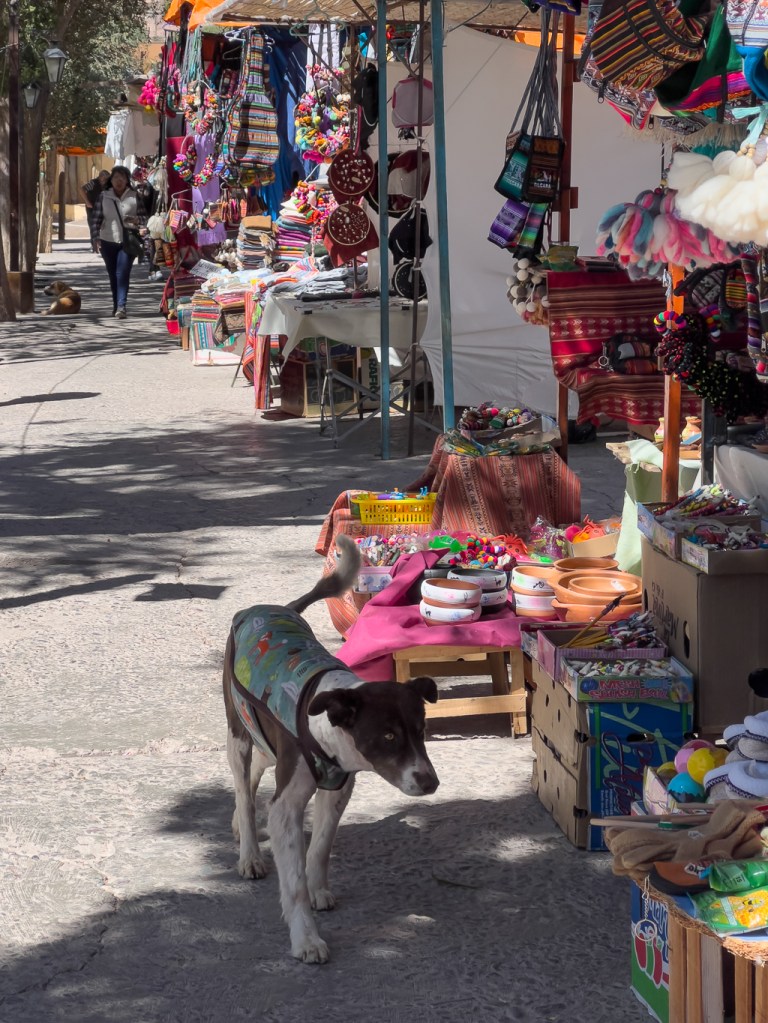
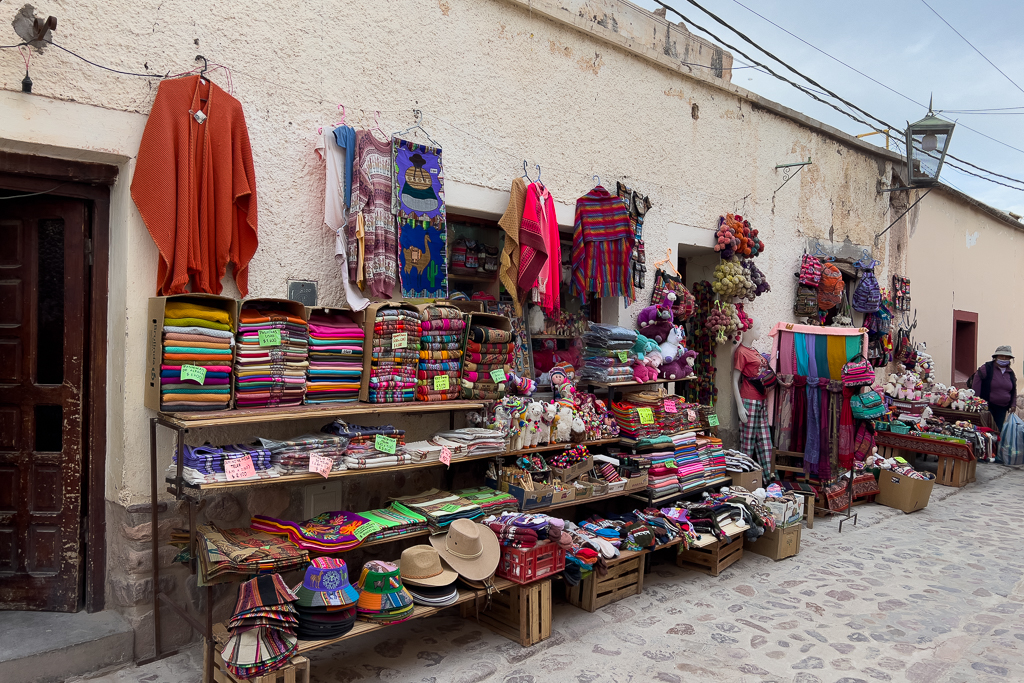
The market in Tilcara offers local products and handicrafts and is worth a visit. The prices are a bit higher compared to the villages further north, but the selection is very good. We bought a beautiful sweater handmade of lama wool.
There are also a couple of interesting churches in Tilcara.
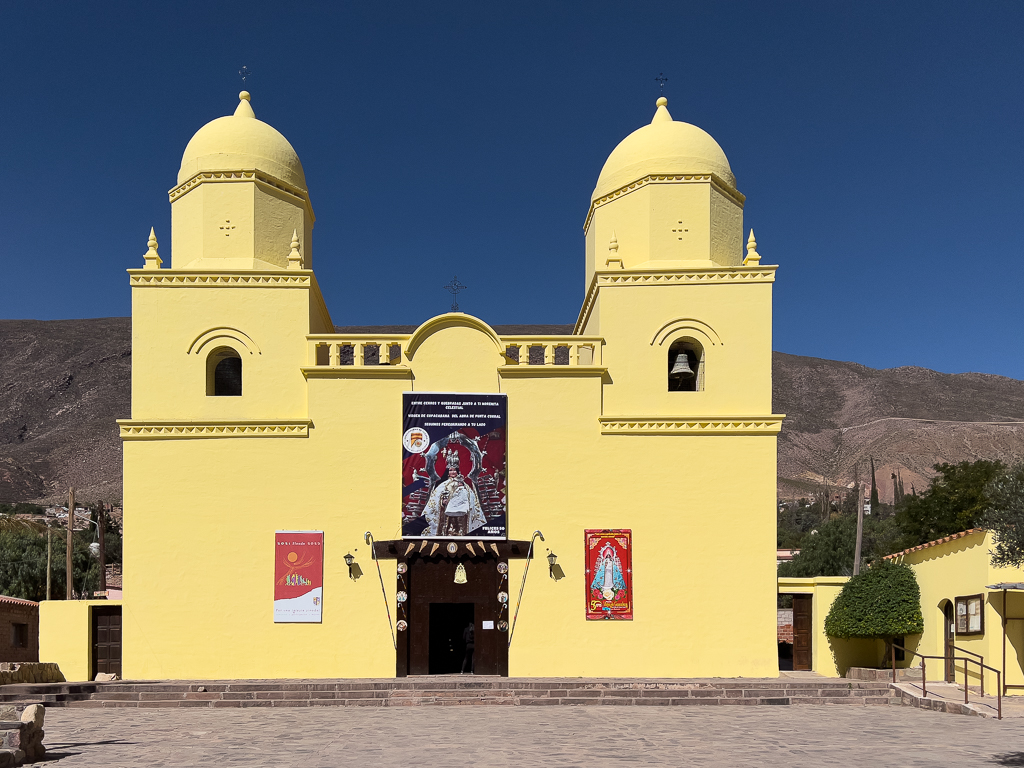
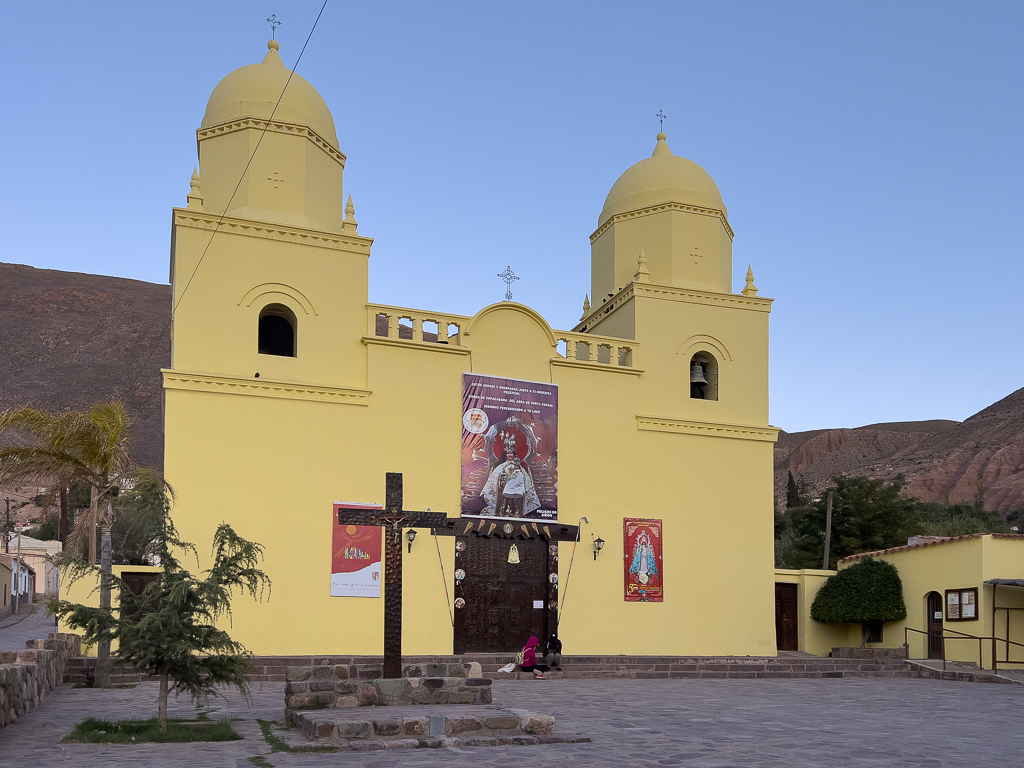
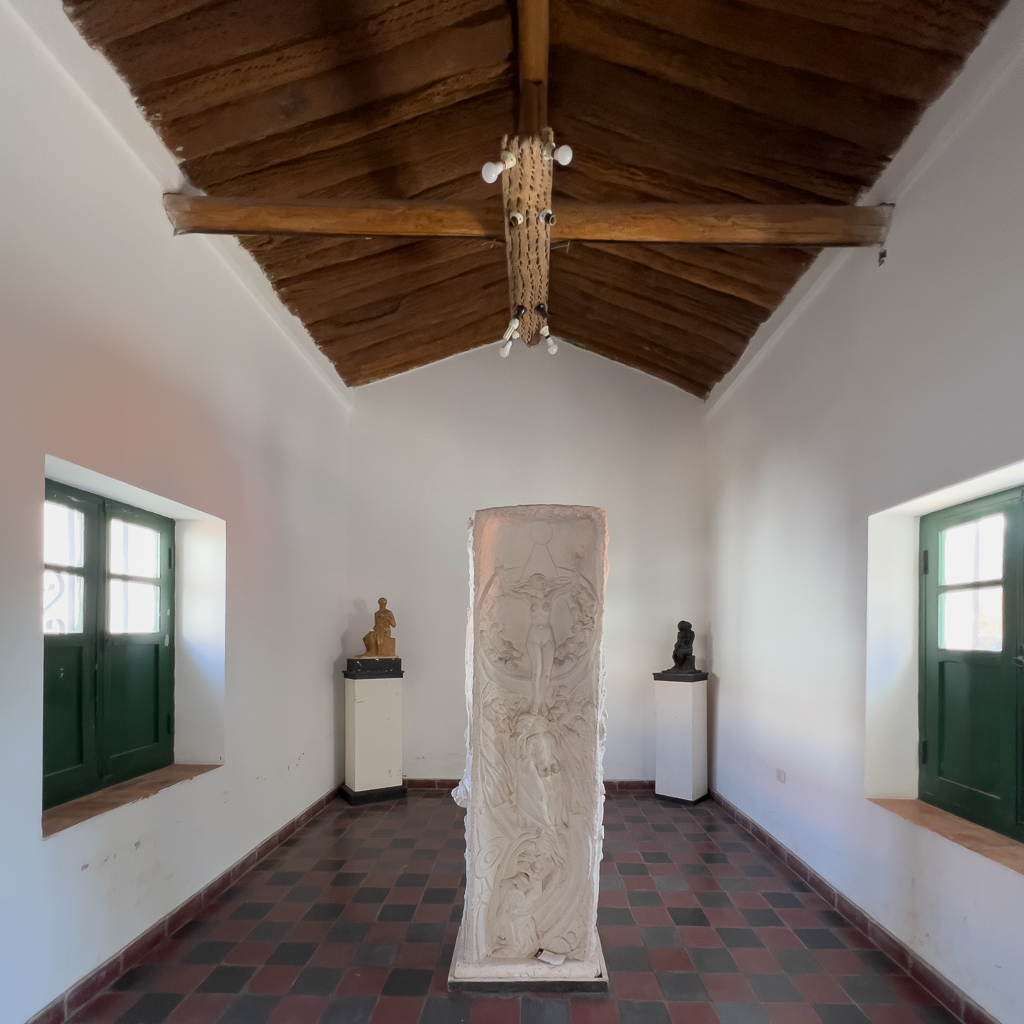
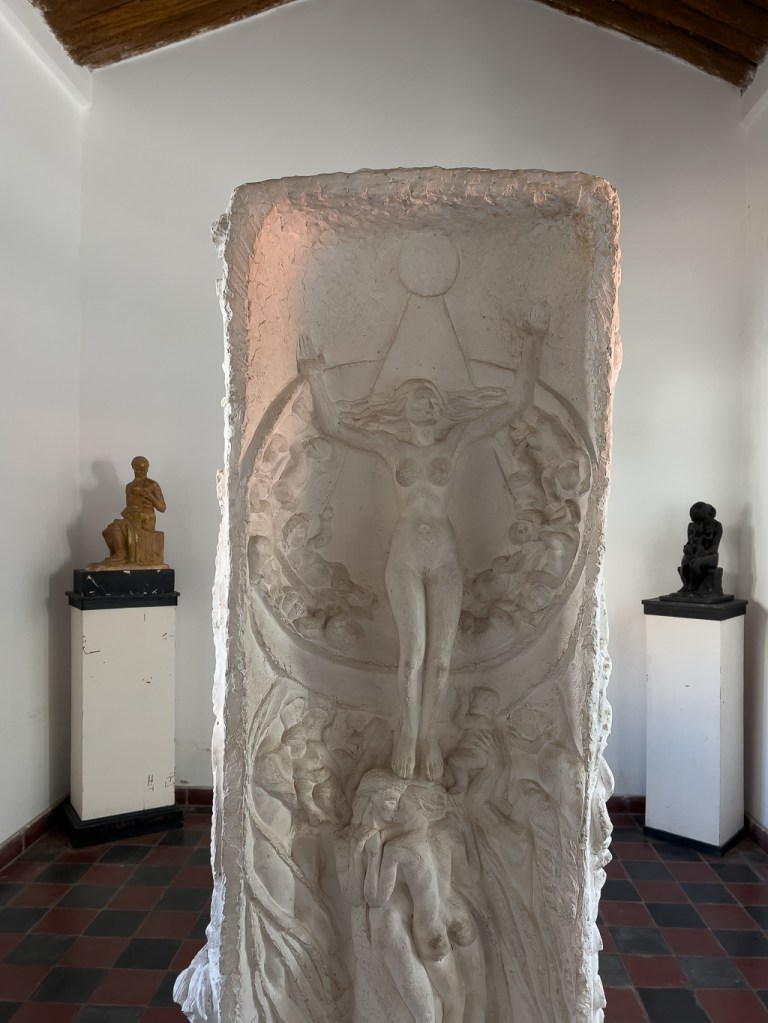
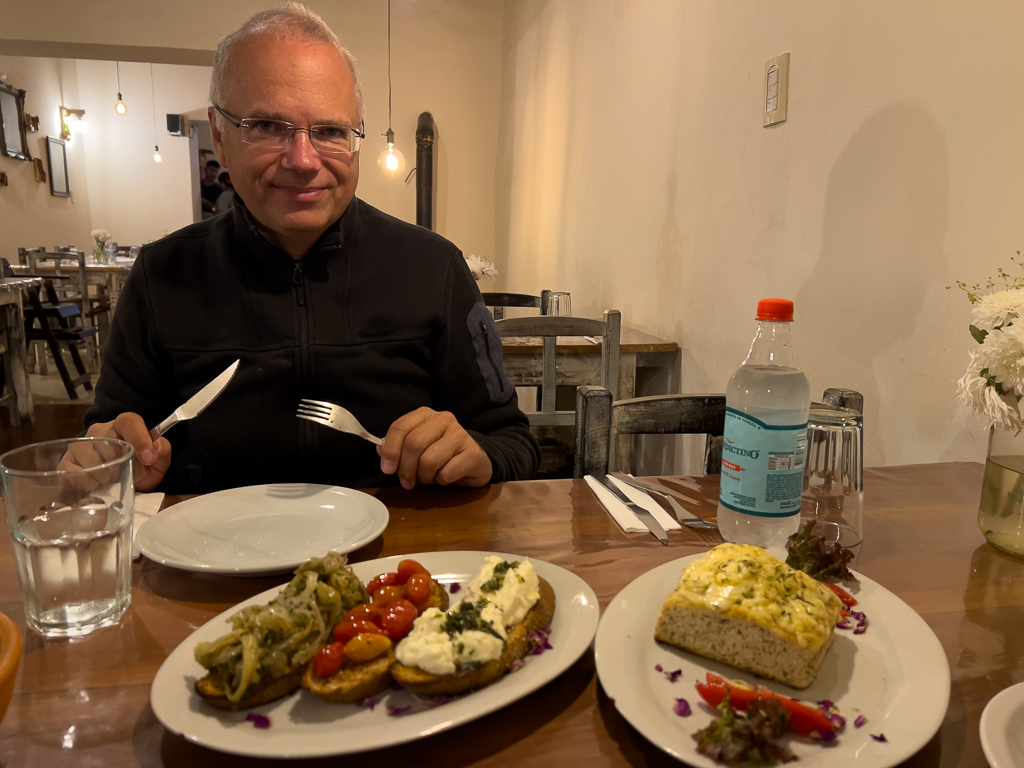
Tilcara is definitely worth a visit and you can easily spend a whole afternoon there. We ended our visit with a nice dinner at the Bien Me Sabe restaurant.

Pucará de Tilcara
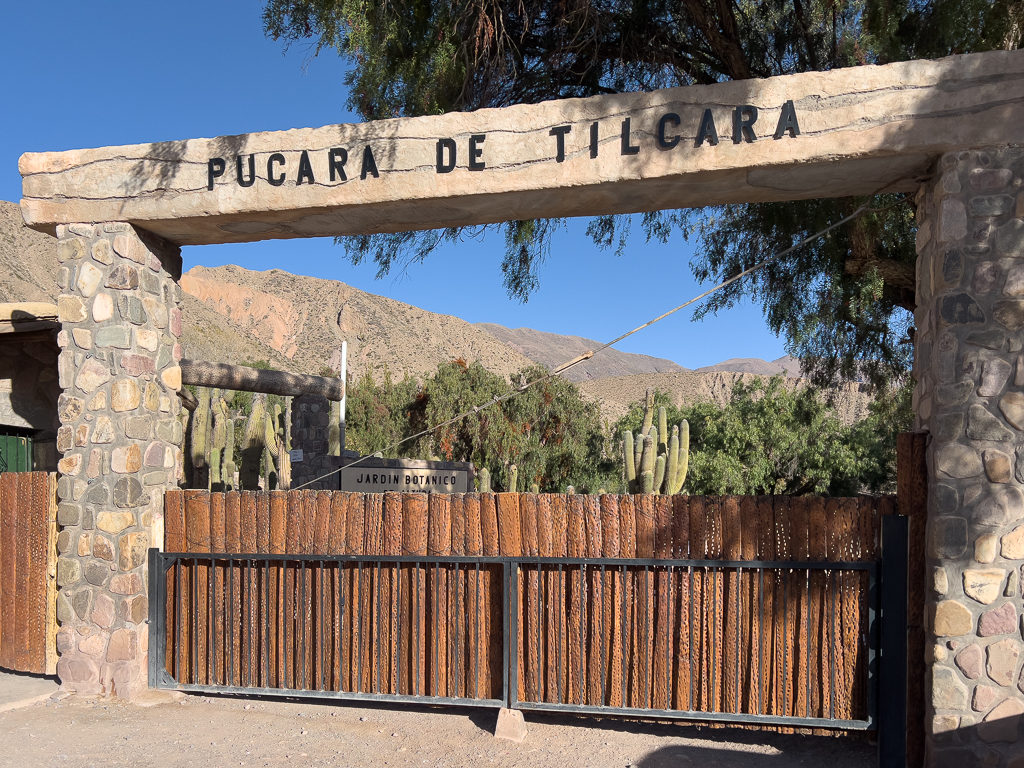
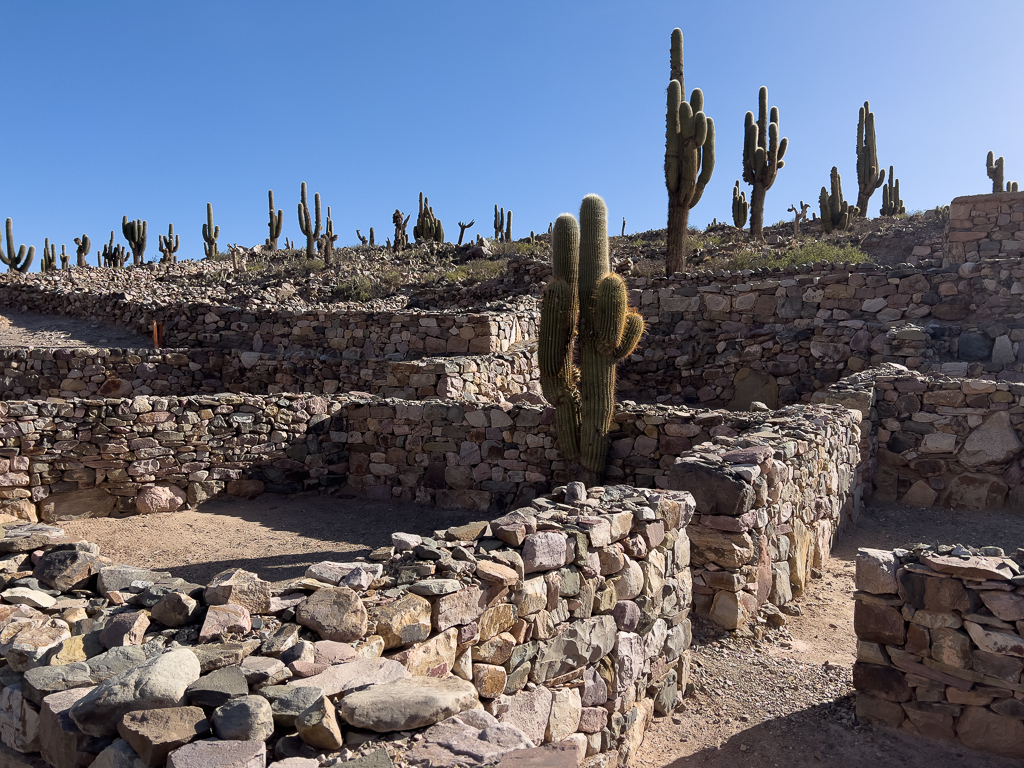
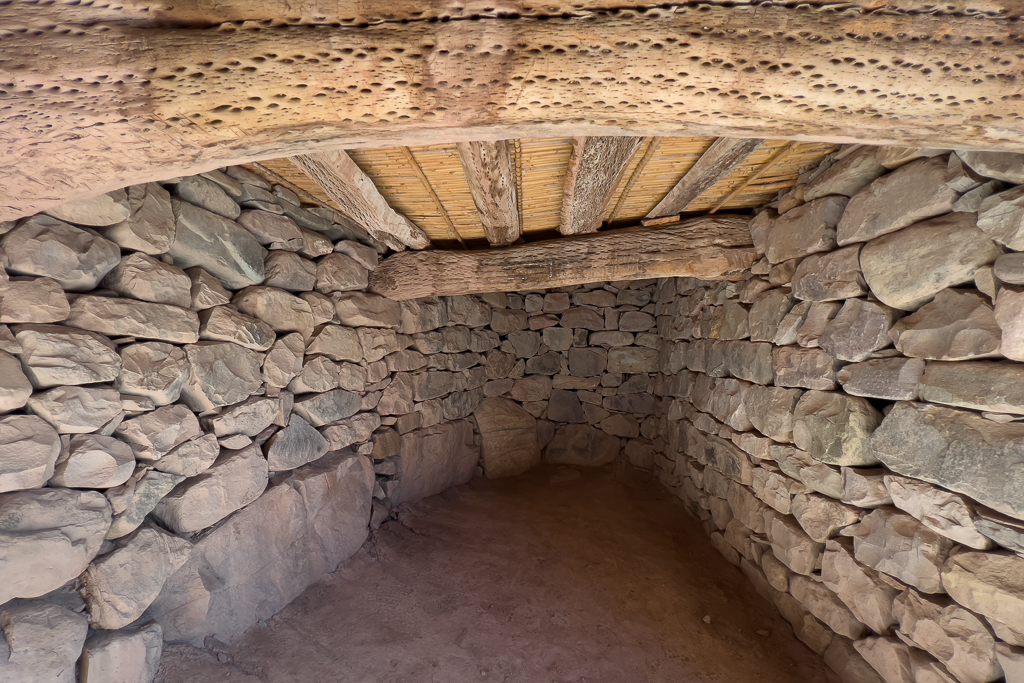
The next day, we explored the pre-Inca fortification Pucará de Tilcara. It’s an important archeological site, located on a hill just outside of Tilcara.
Pucará was originally built by the Omaguaca tribe in the 12th century. It served as an administrative and military center for this region. Over 2,000 people lived in this fortified village during that time.
Later in the 15th century, Pucará was used by the Incas as a military outpost and to secure the nearby mines.
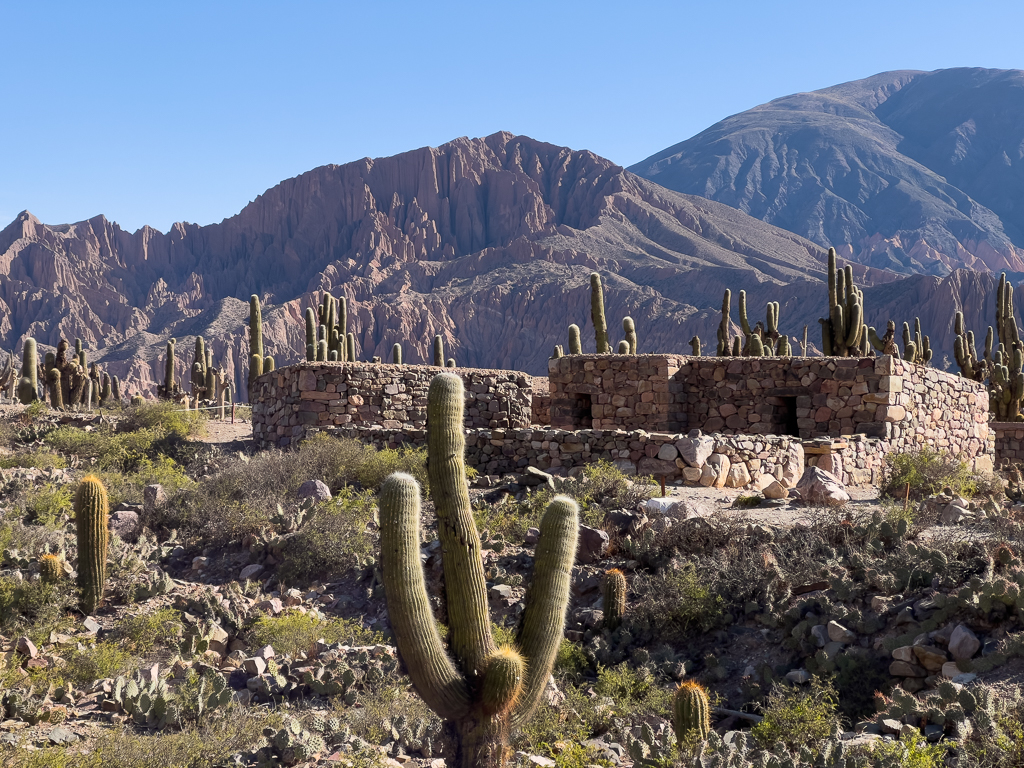
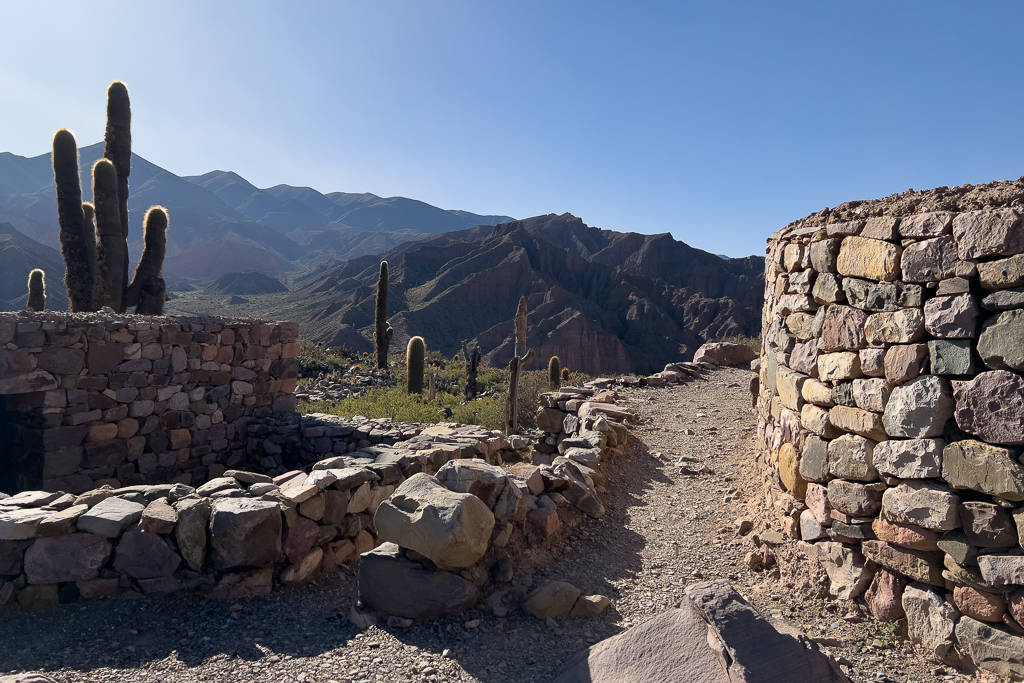
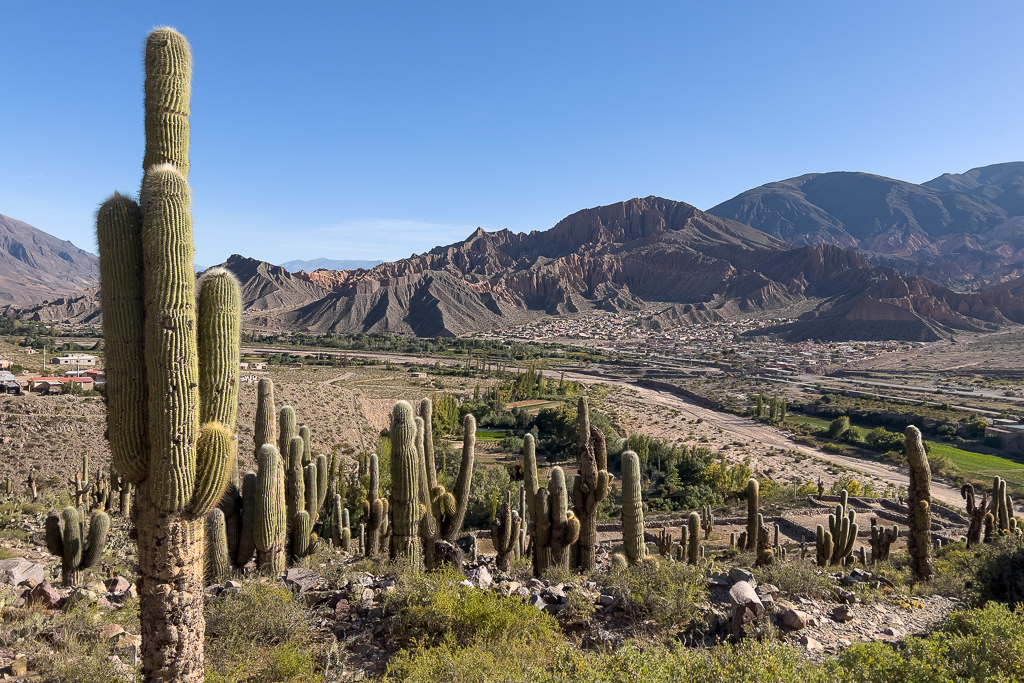
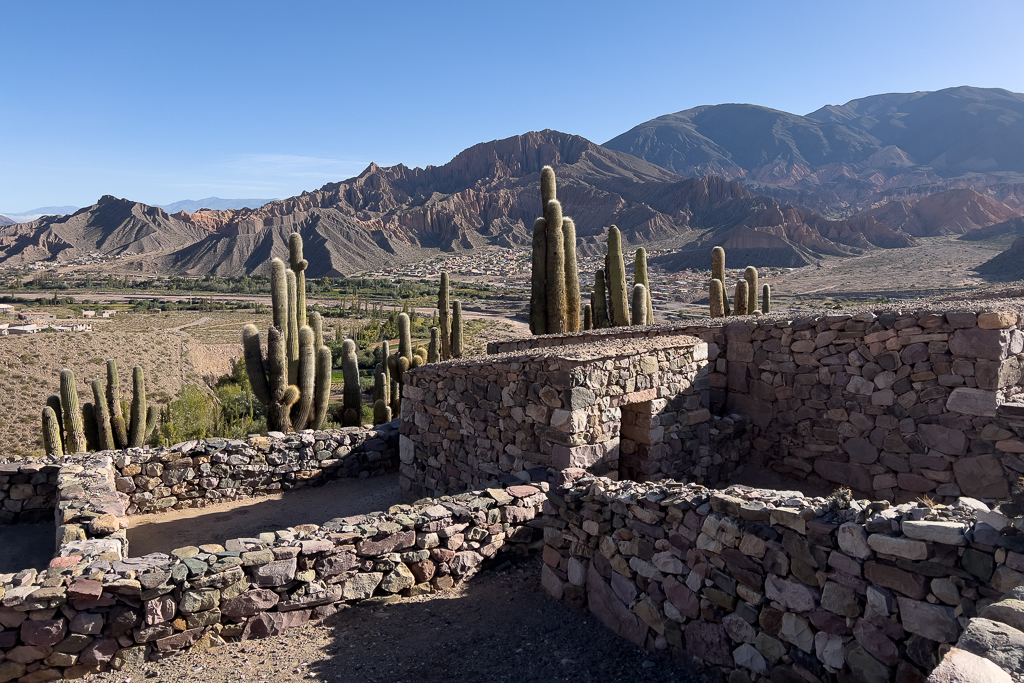
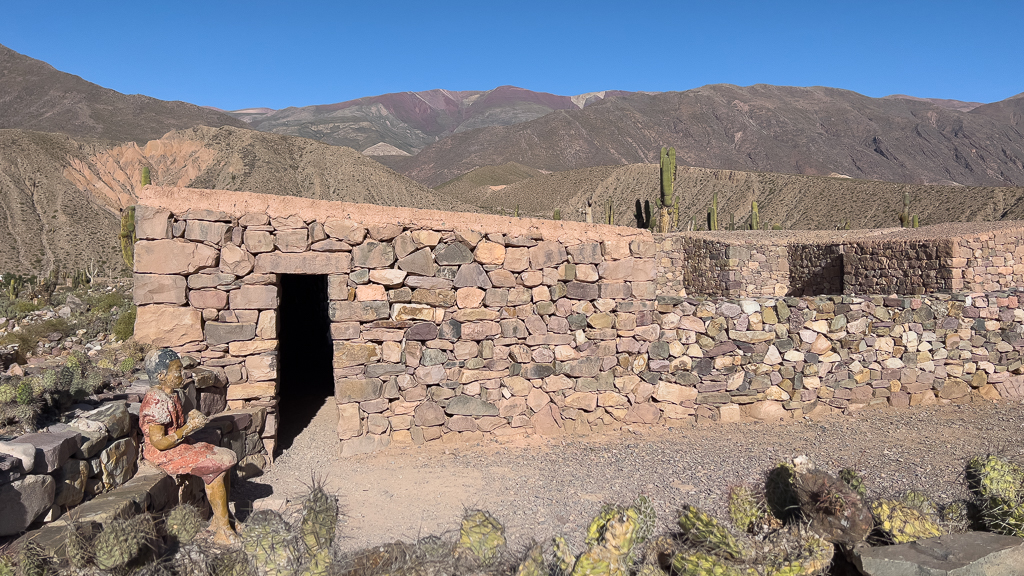

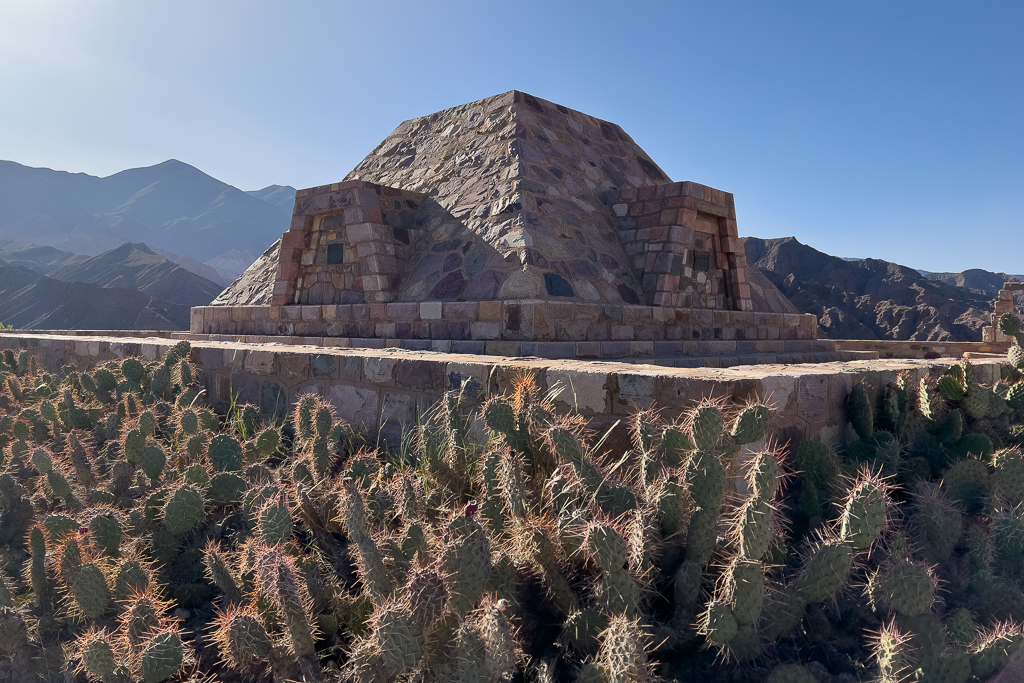
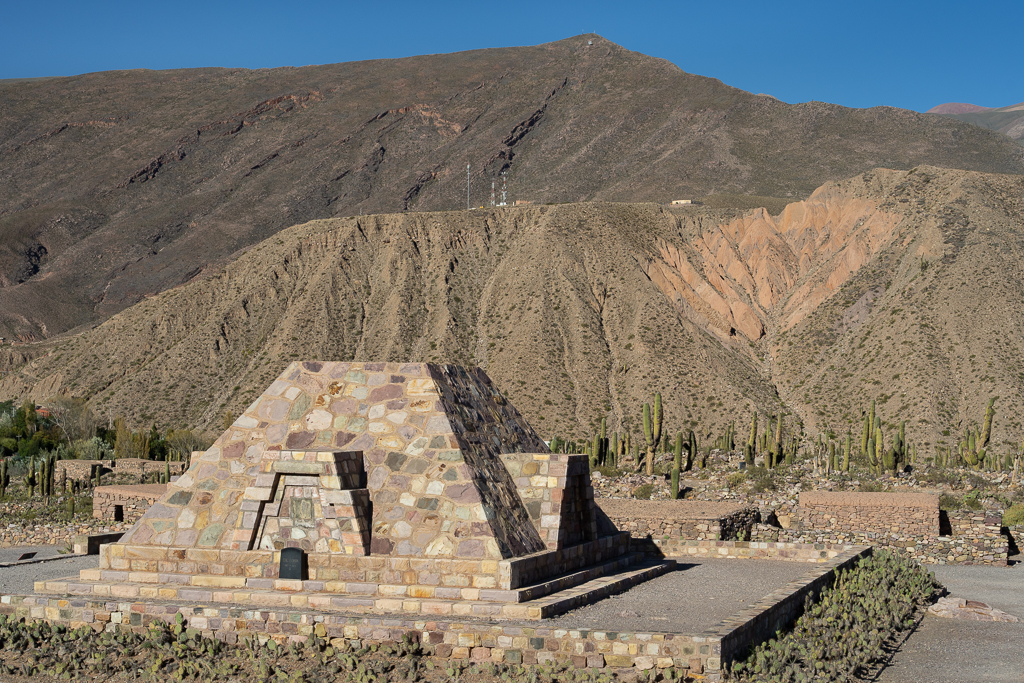
The pyramid monument that can be found on the site is a memorial for the archeologists who examined the ruins at the beginning of the 20th century.

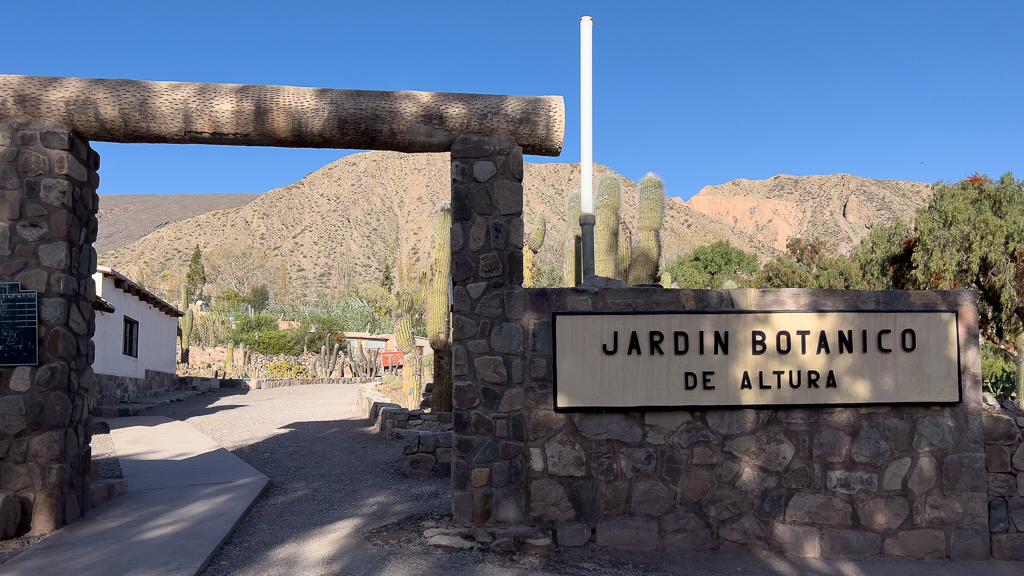
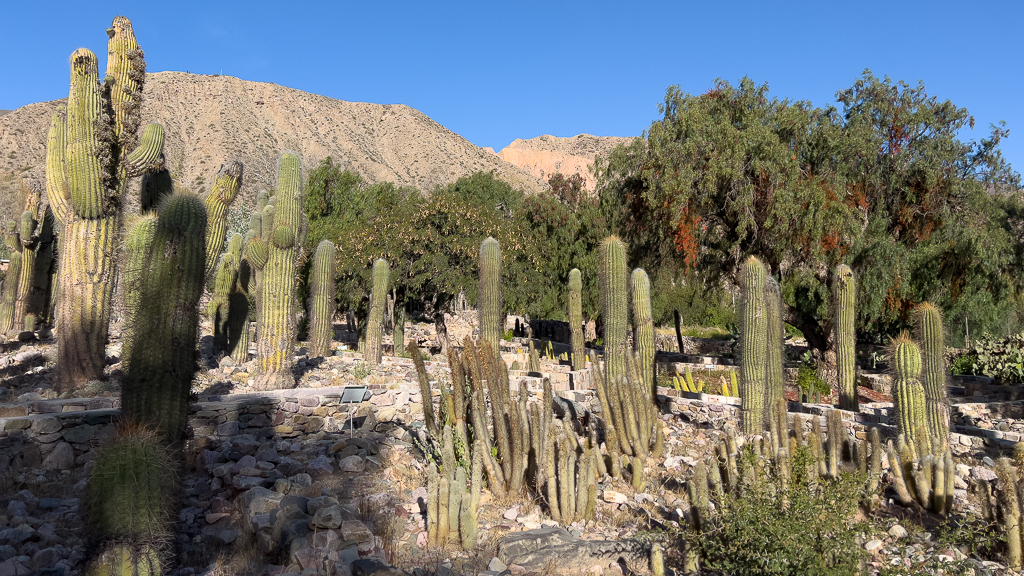
Next to Pucará de Tilcara a small botanical garden with cactus species native to this area can be found.
Tropic of Capricorn
16 km north of Tilcara we crossed the Tropic of Capricorn. This is the southernmost latitude on Earth where the sun can appear directly overhead. It is one of the five major circles of latitude marked on maps of the Earth. At this place, you can also find the Sundial Trópico De Capricornio.
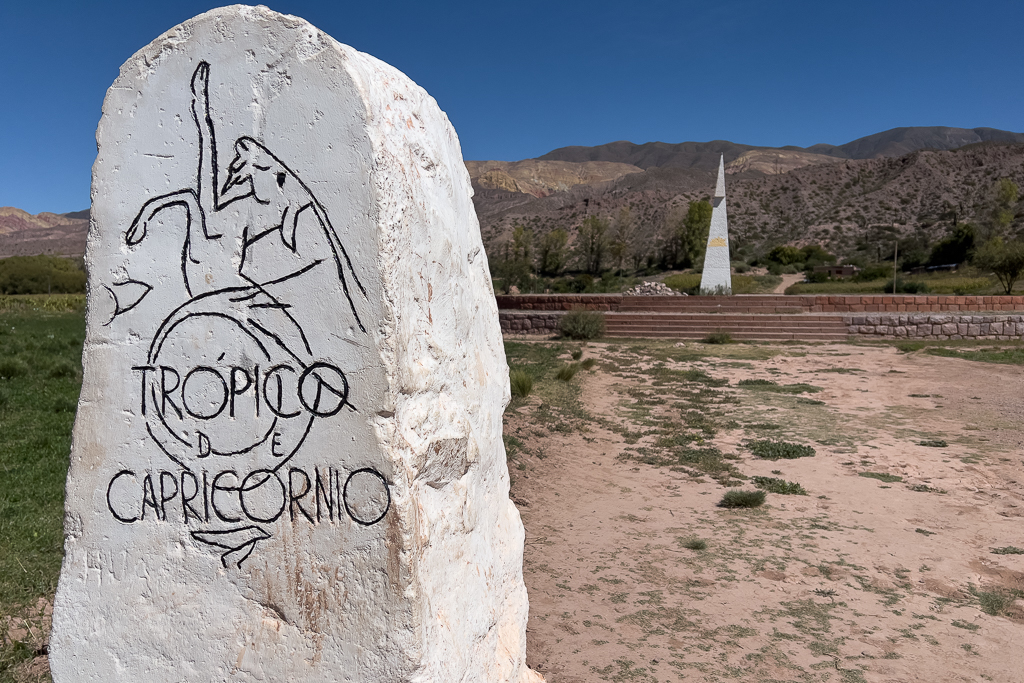
By the way, we have crossed this same circle of latitude already a few years back in Namibia.
Quebrada de las Señoritas
The Quebrada de las Señoritas, the Mountain Range of The Young Ladies, is located near Uquía, 11 km south of Humahuaca.
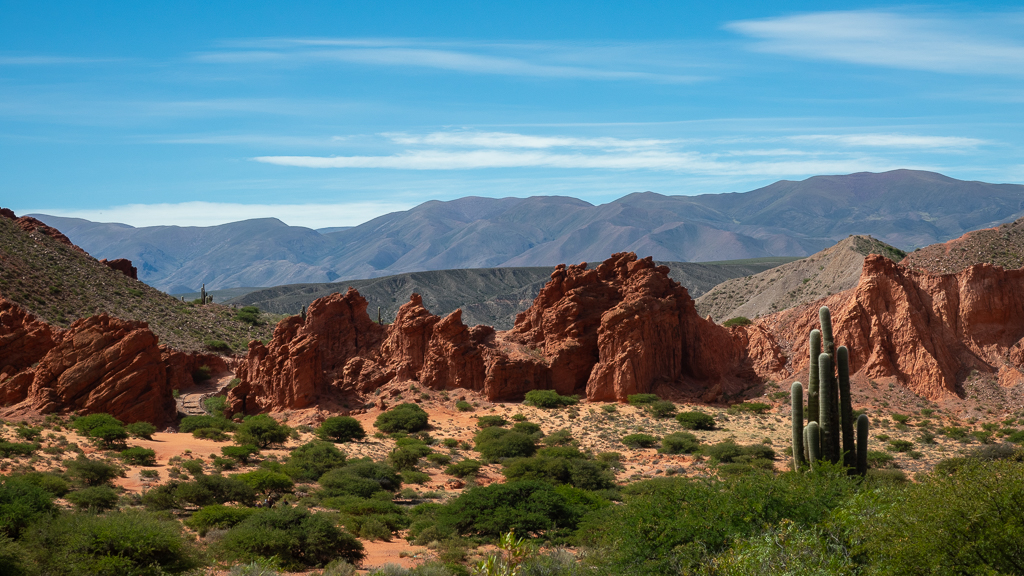
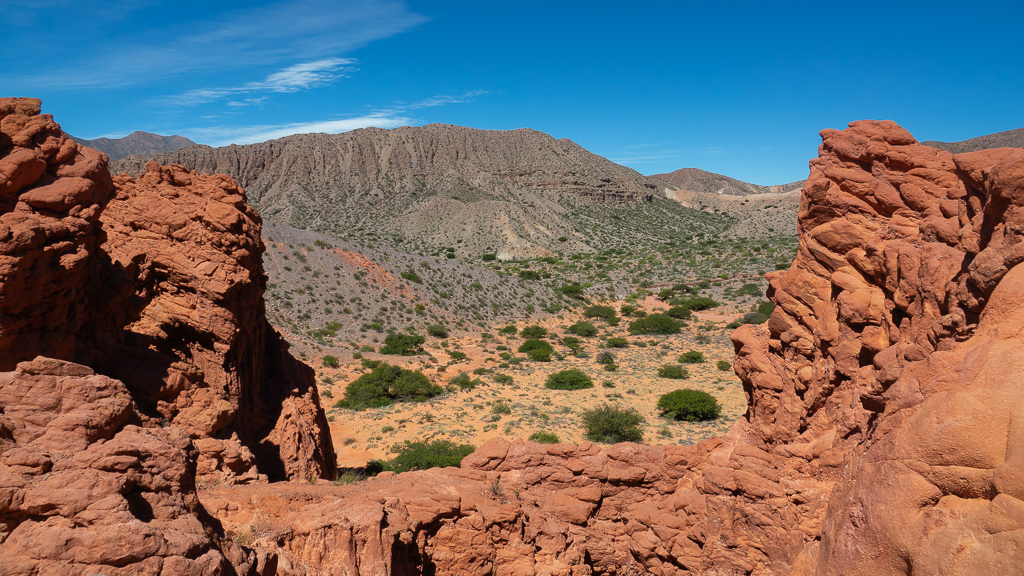
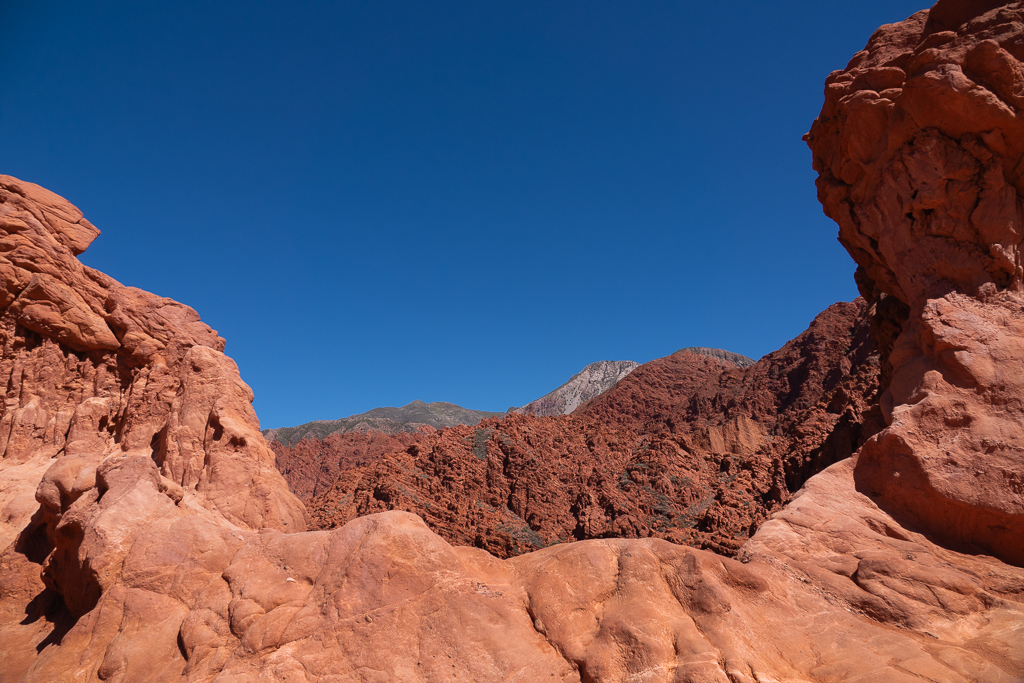
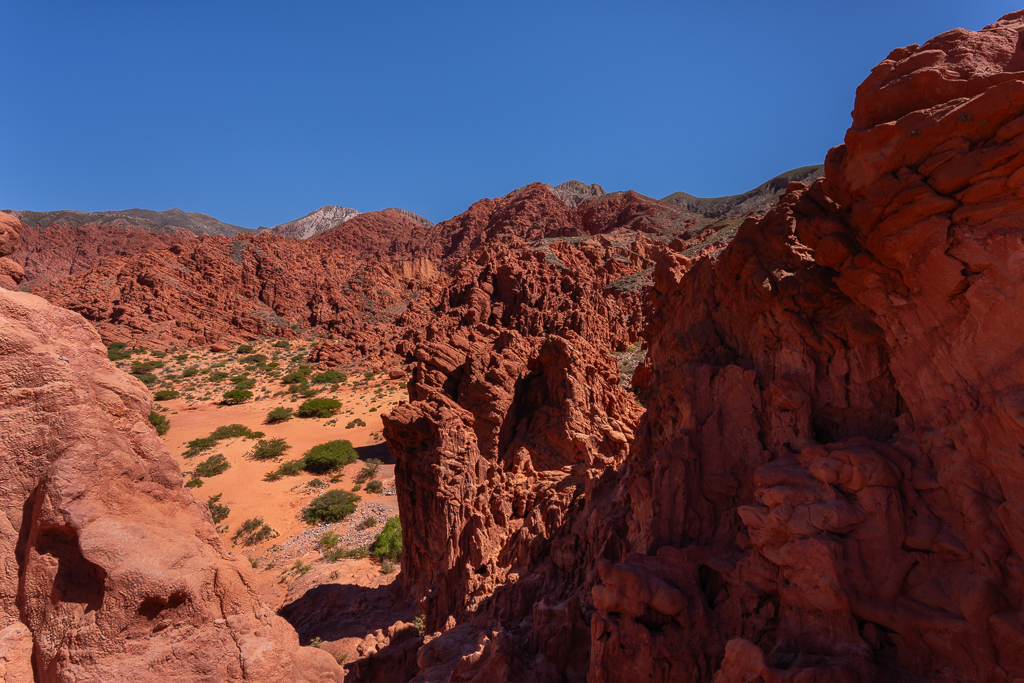
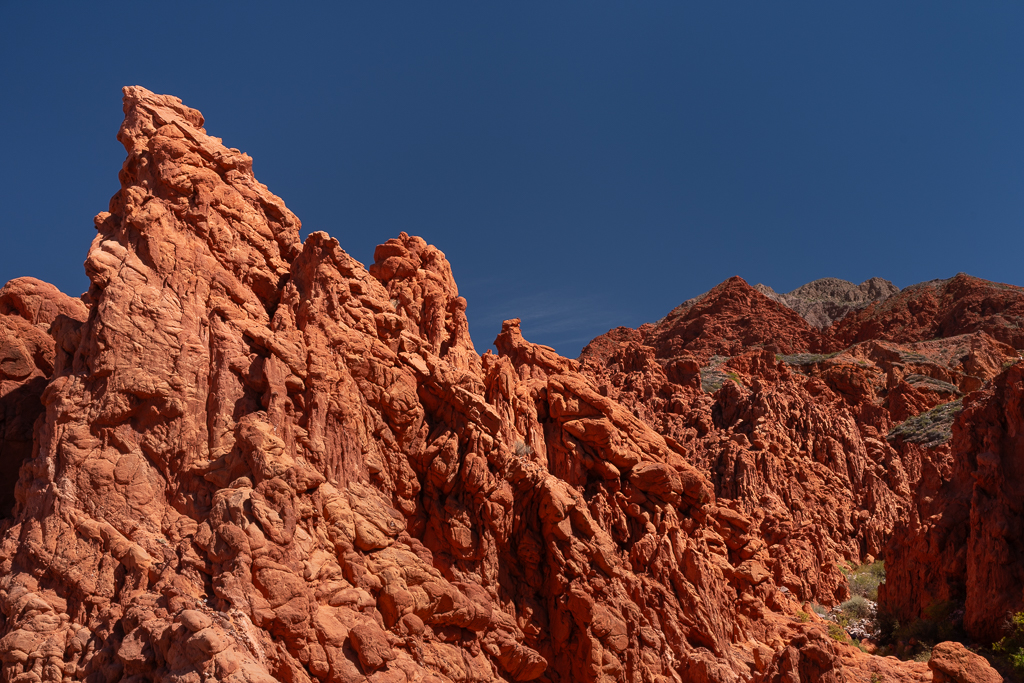
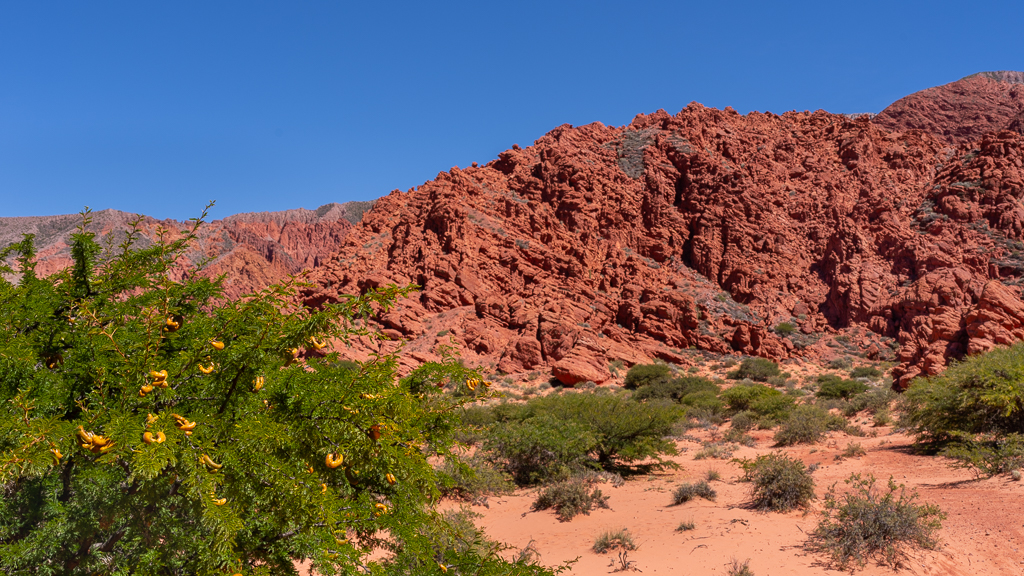
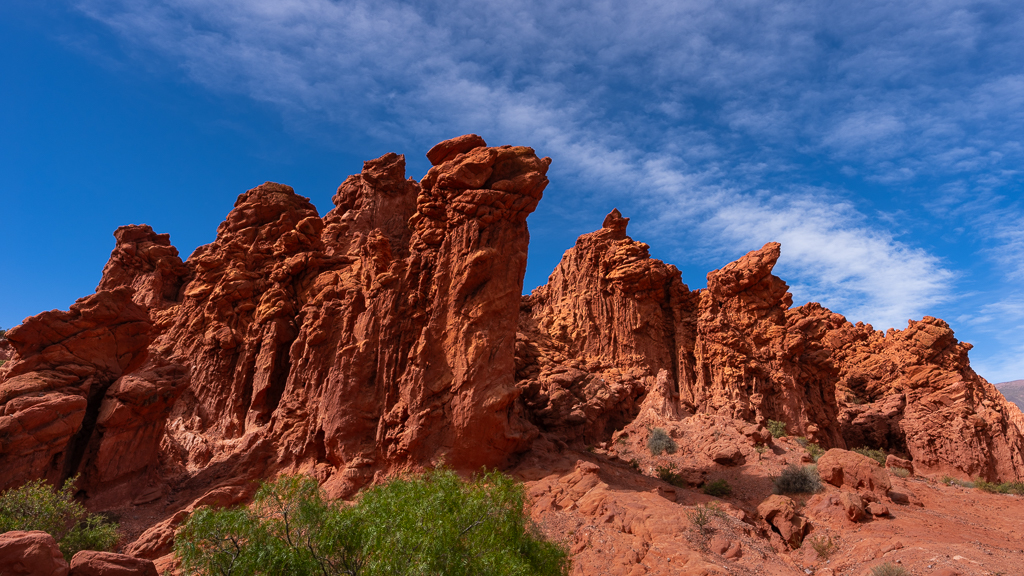
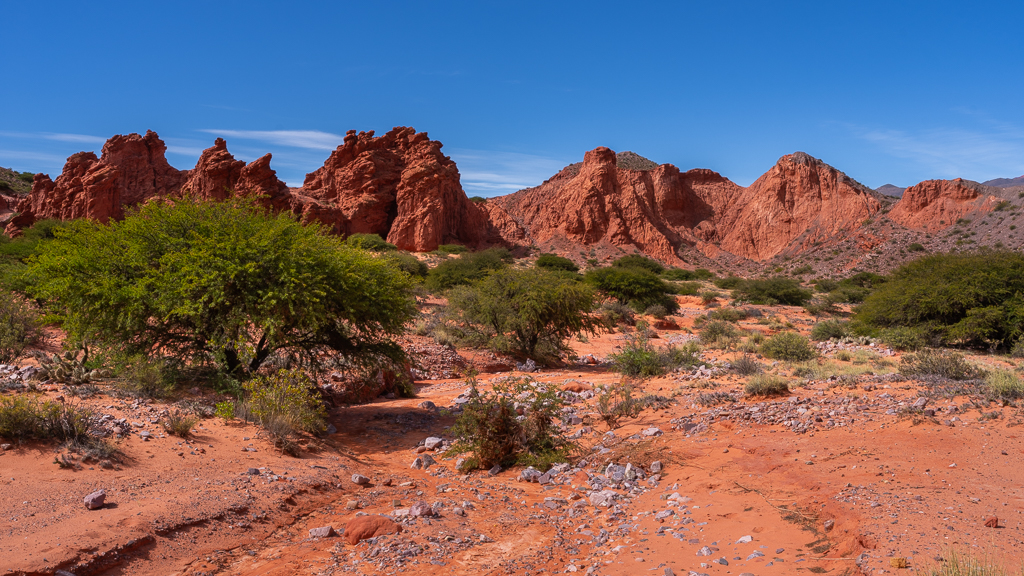

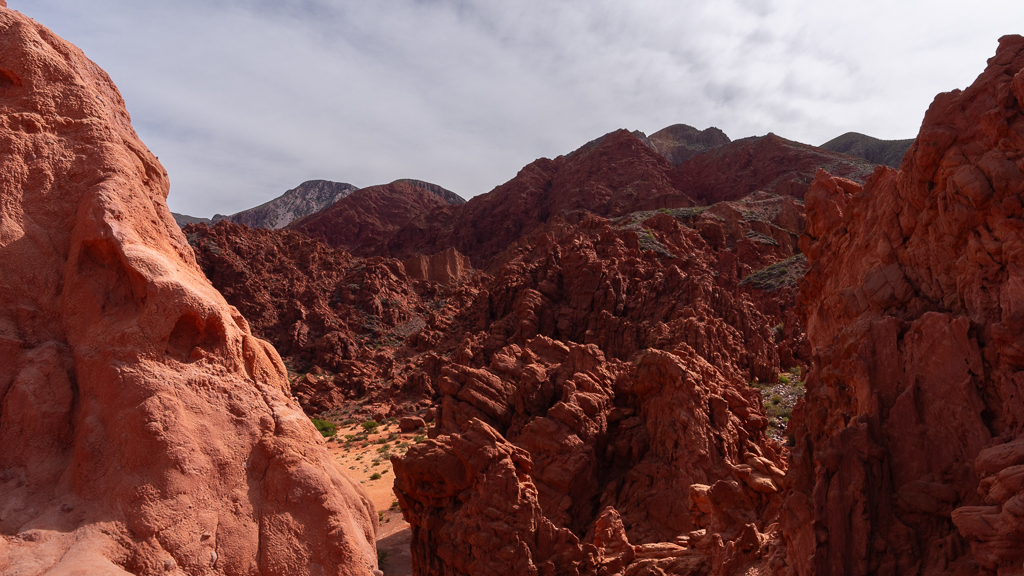
The trail is about 5 km out-and-back and takes about 2 hours. Take some water and sun protection, because the first half of the trail leads through an open desert landscape without any chance of shade.
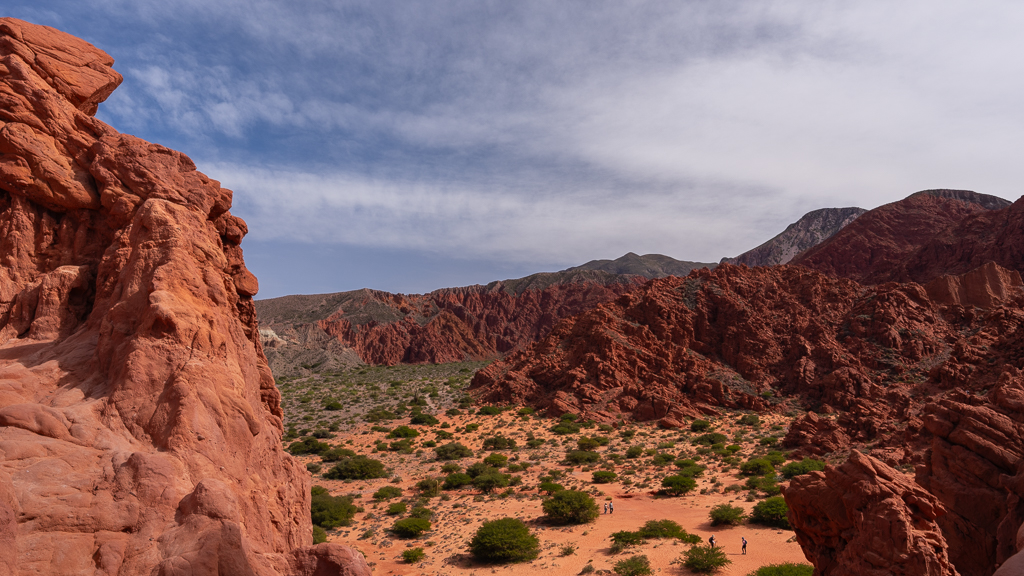
When we were there in 2023 it was possible to walk the main trail alone without any guides. But I’ve heard that this has changed recently and a guide is now obligatory.
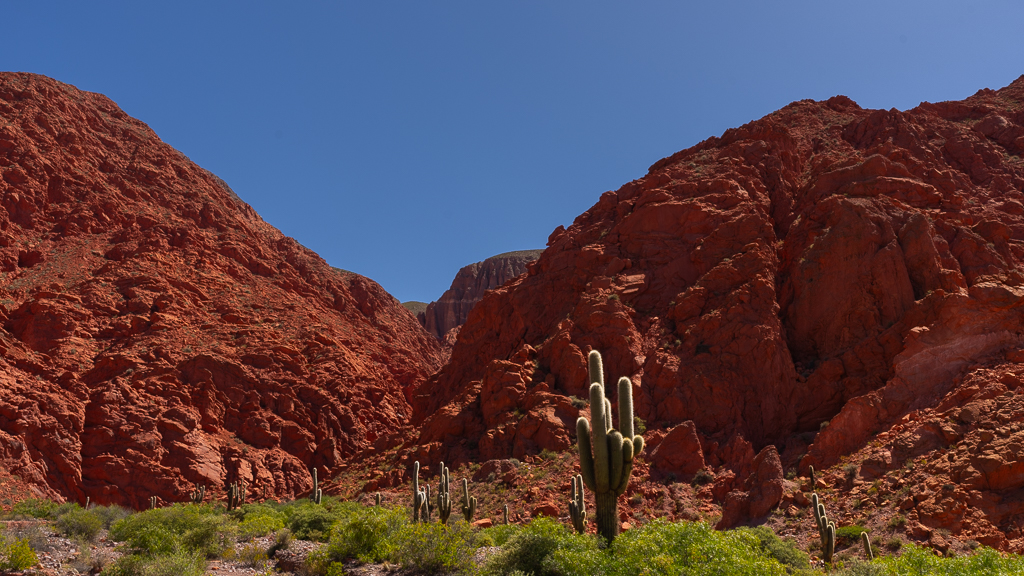

The trail passes through a valley of fantastic red rock formations and enters a narrow canyon at the end of the trail.
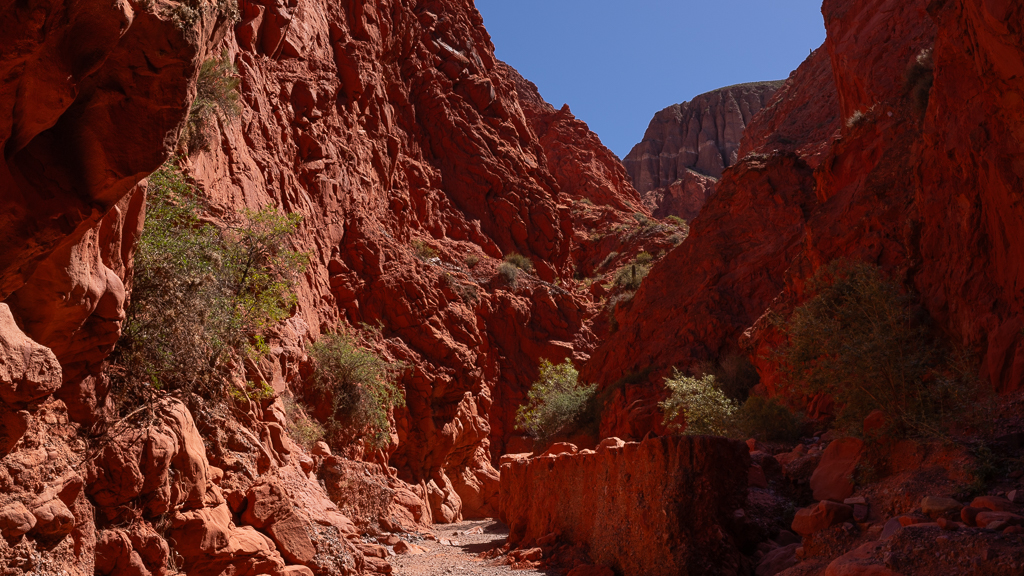
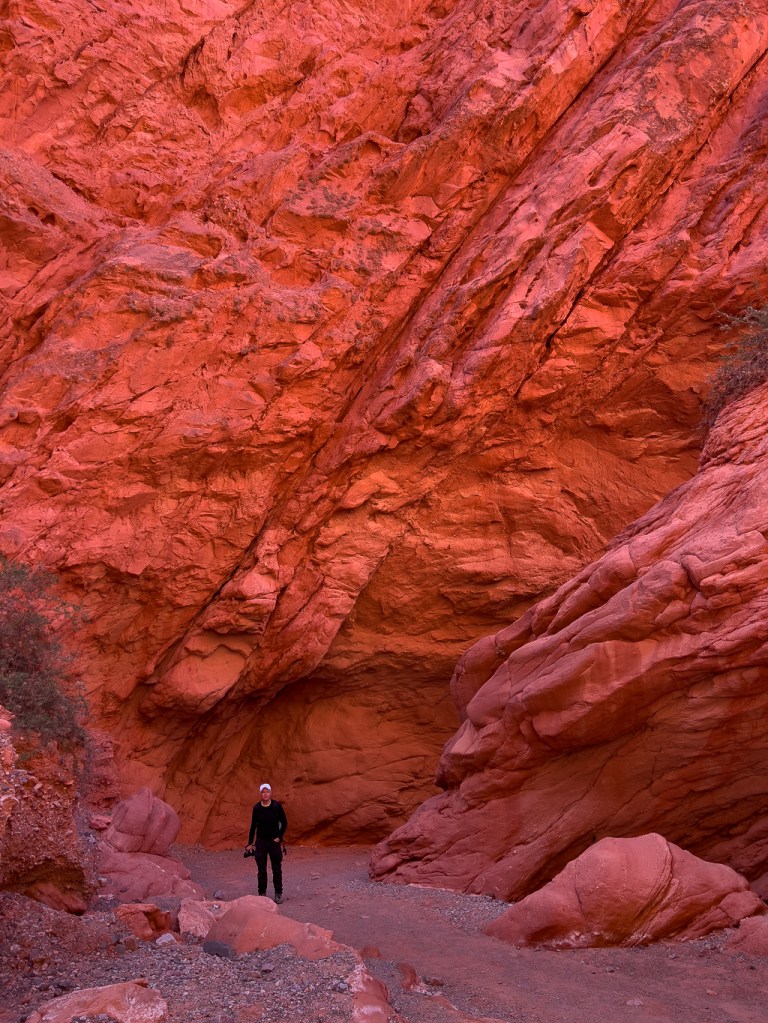
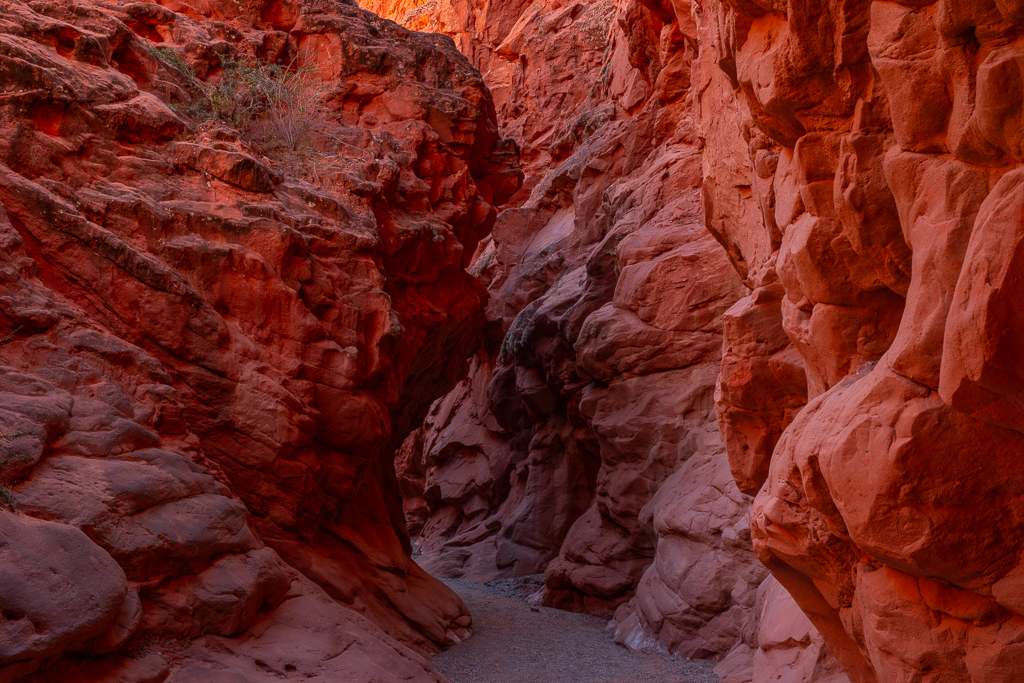
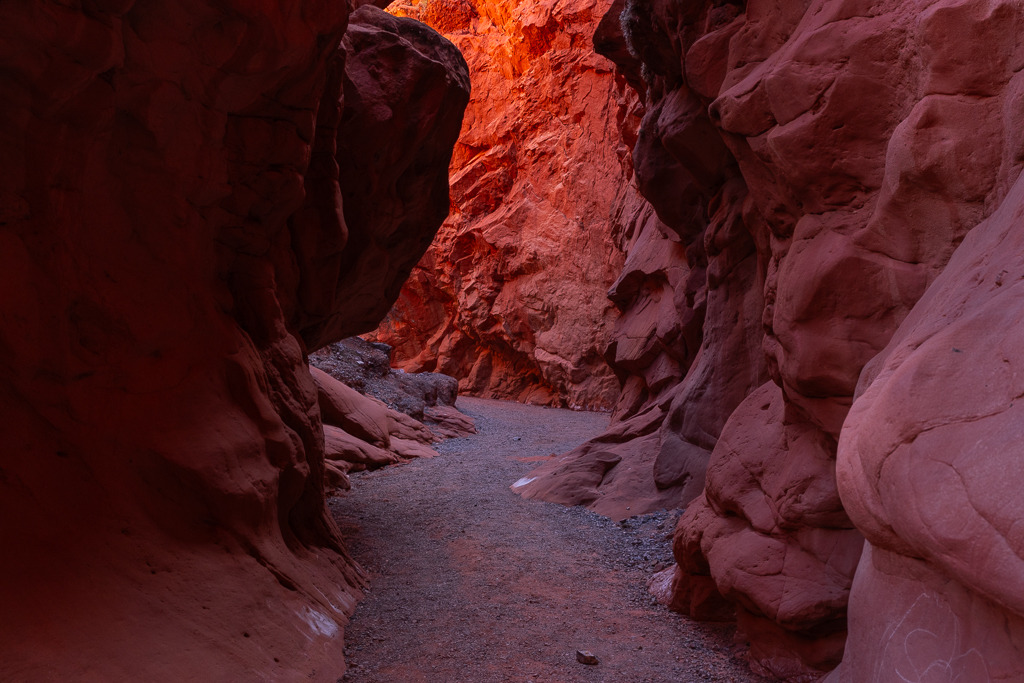
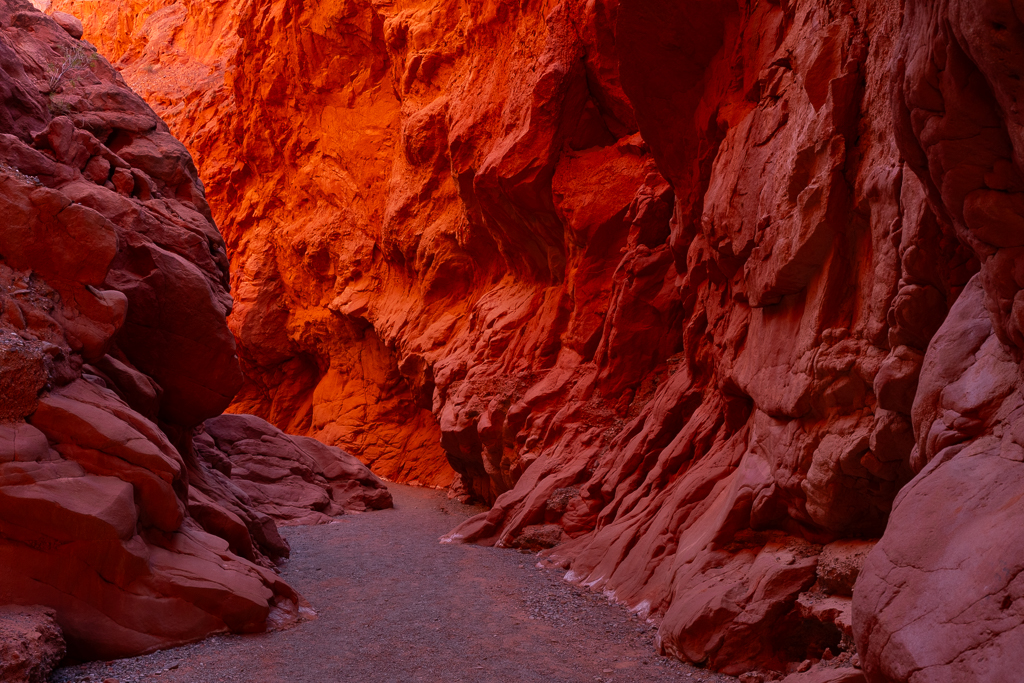
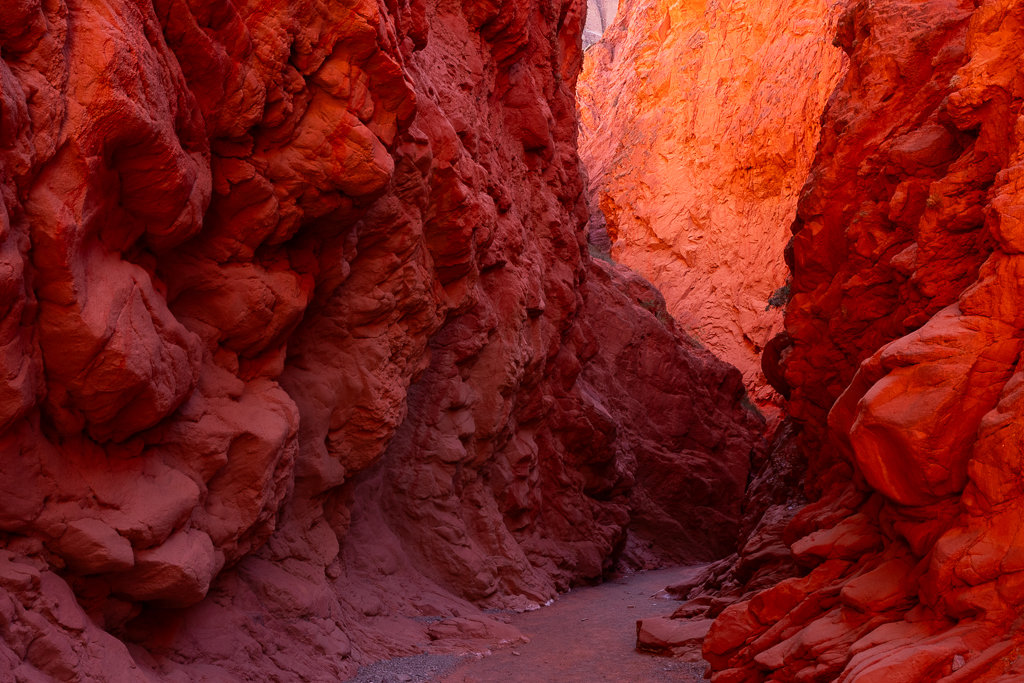
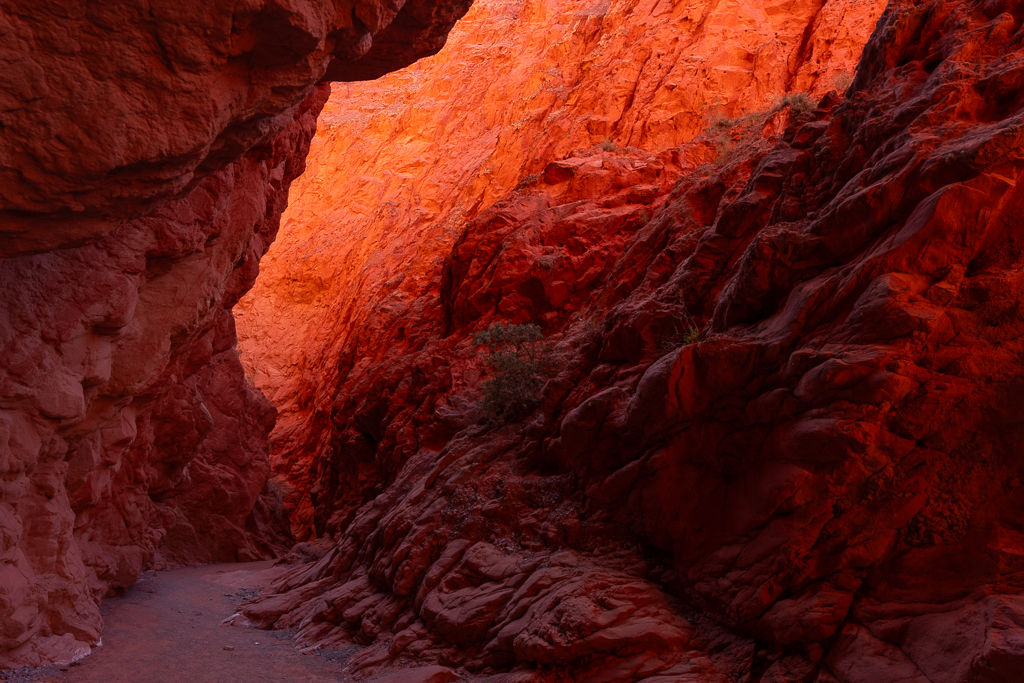
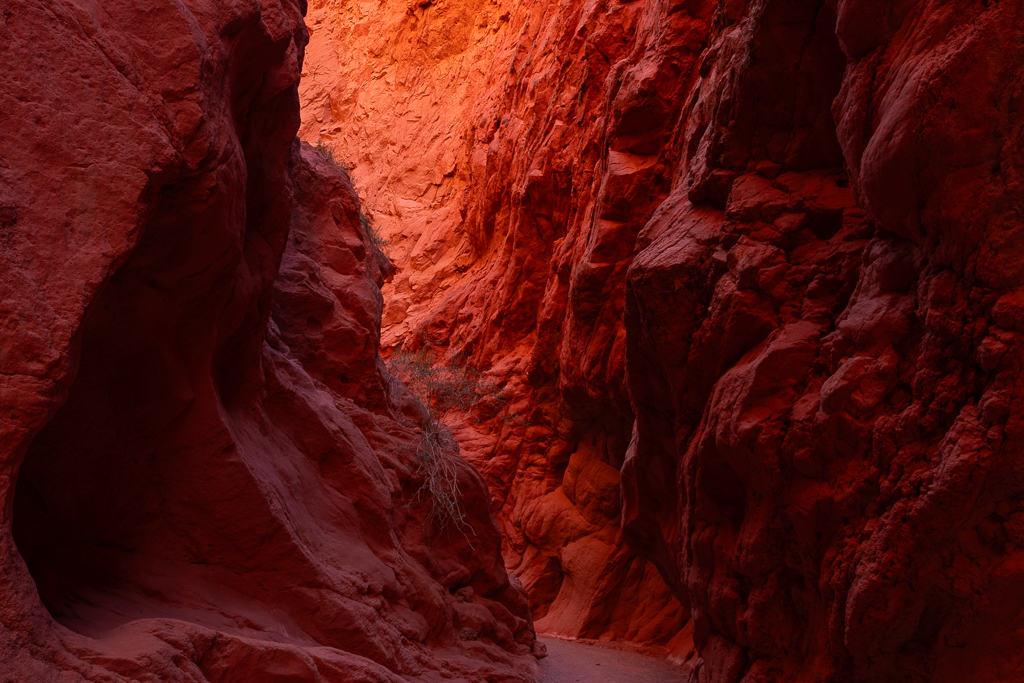
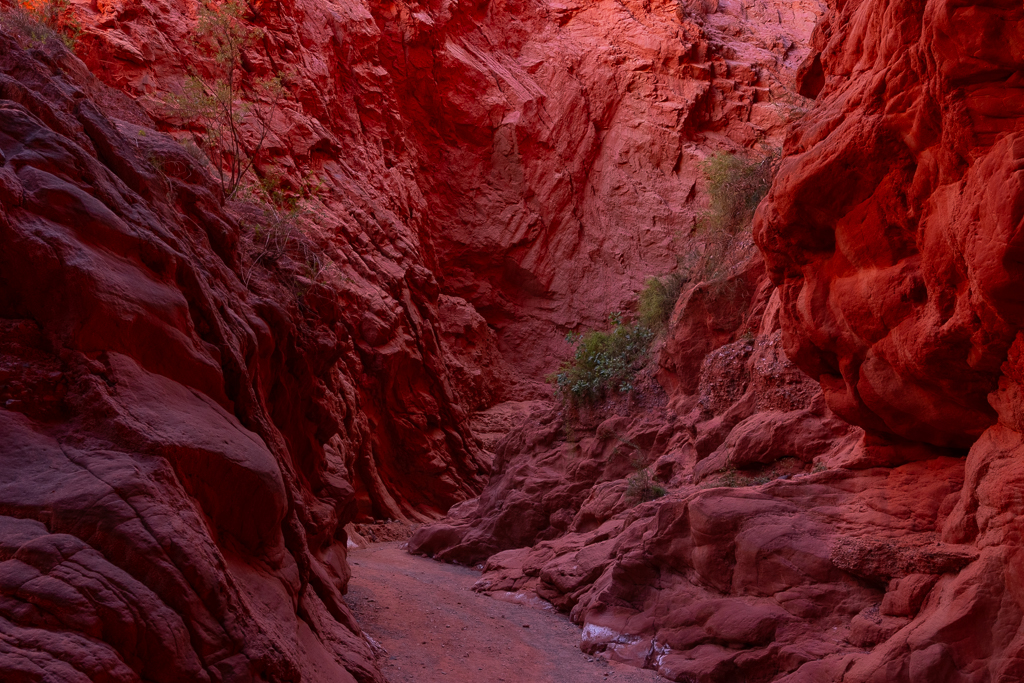
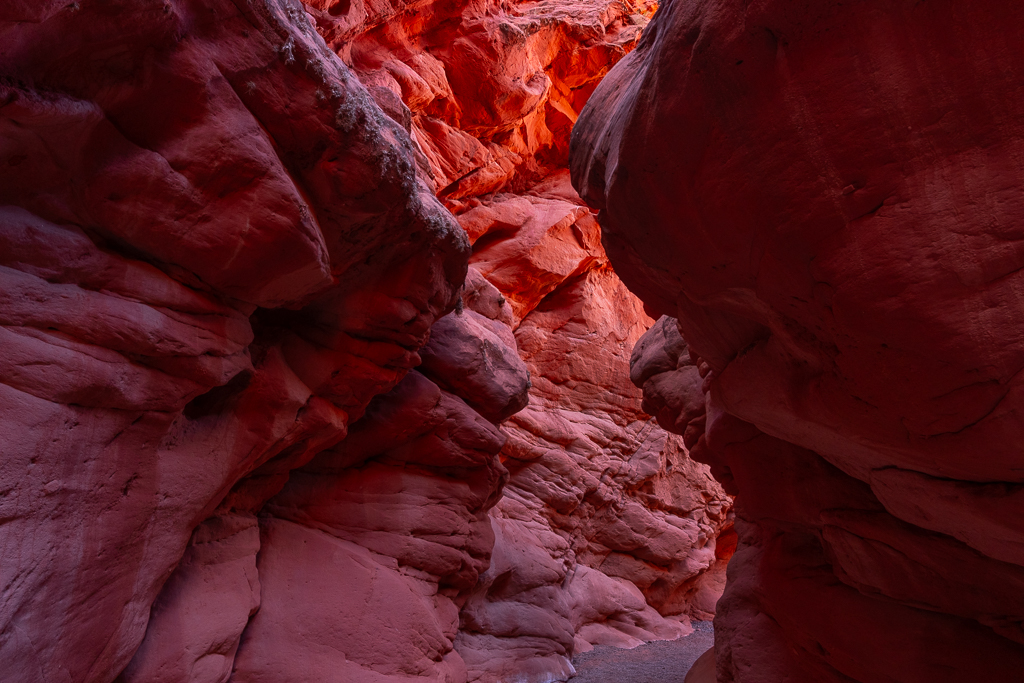
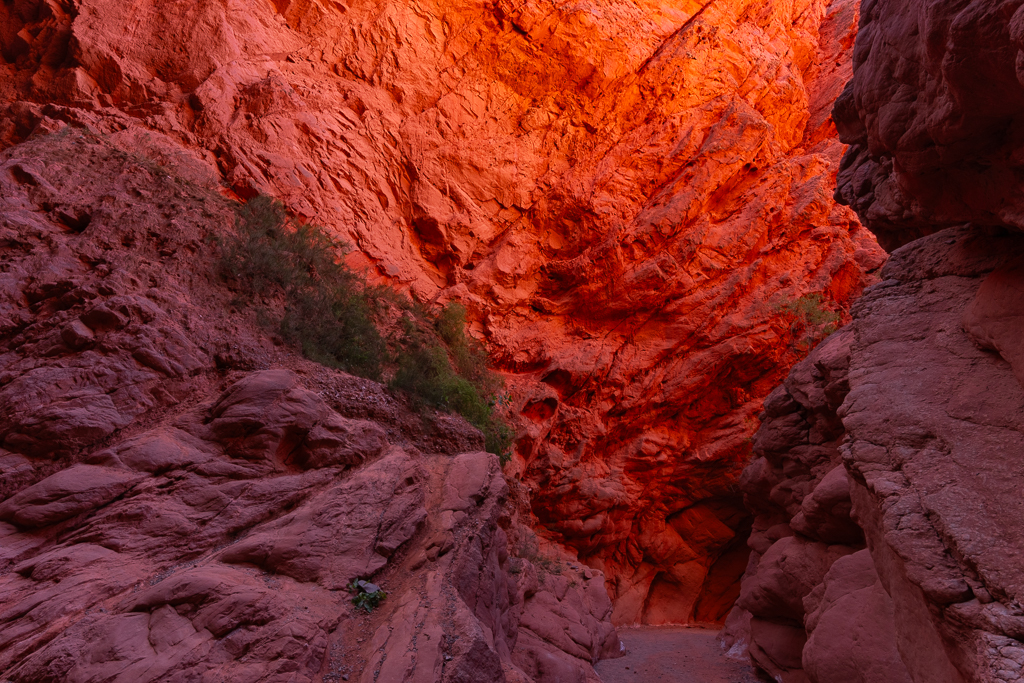
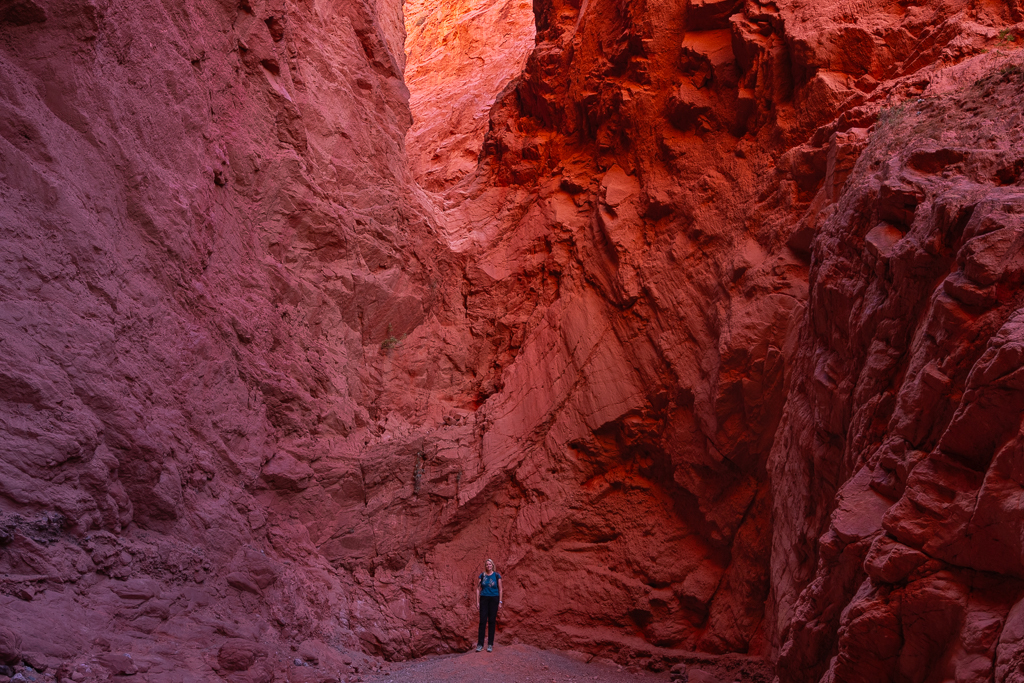

The Quebrada de las Señoritas was the highlight for us in this area. Don’t miss it.
Humahuaca
Next, we stopped in Humahuaca, located 45 km north of Tilcara. Since 2003 the small village is a UNESCO World Heritage Site.

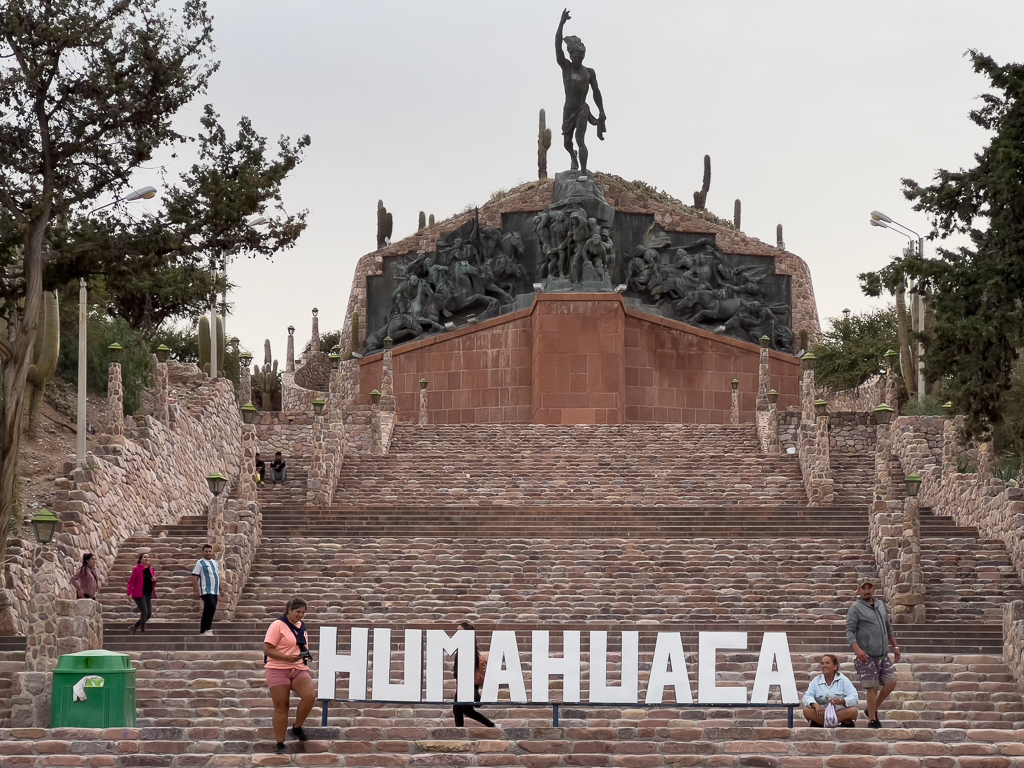
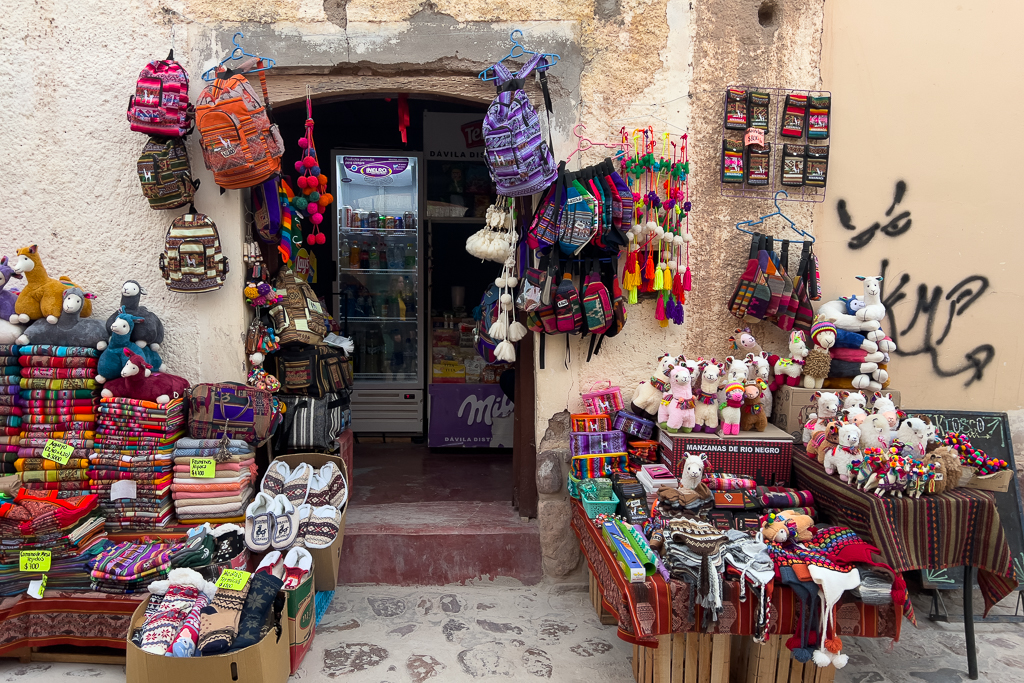
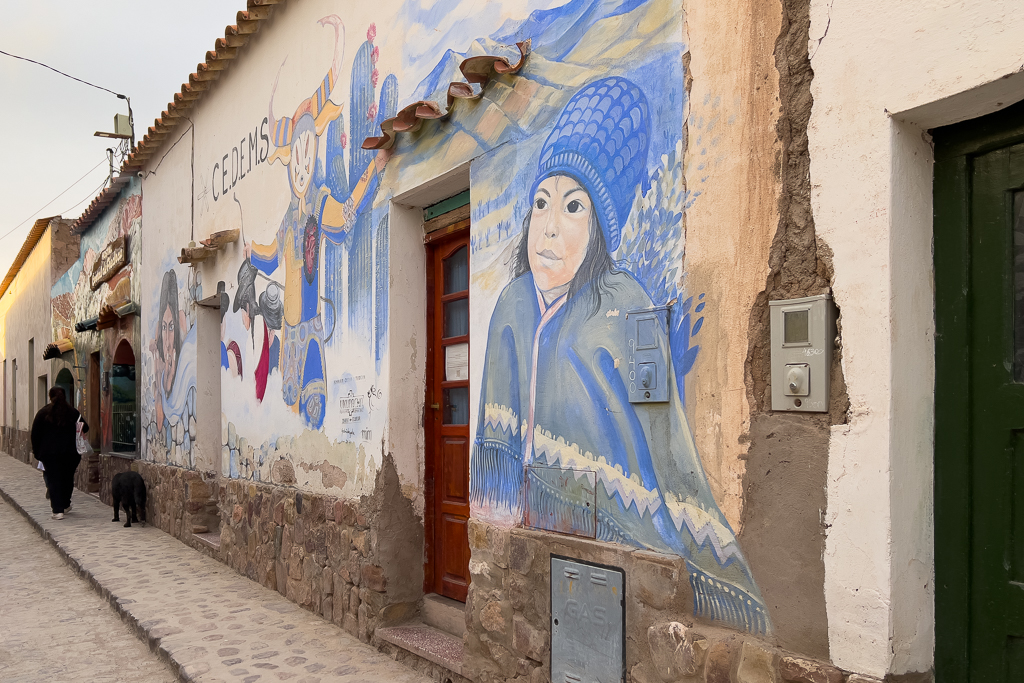
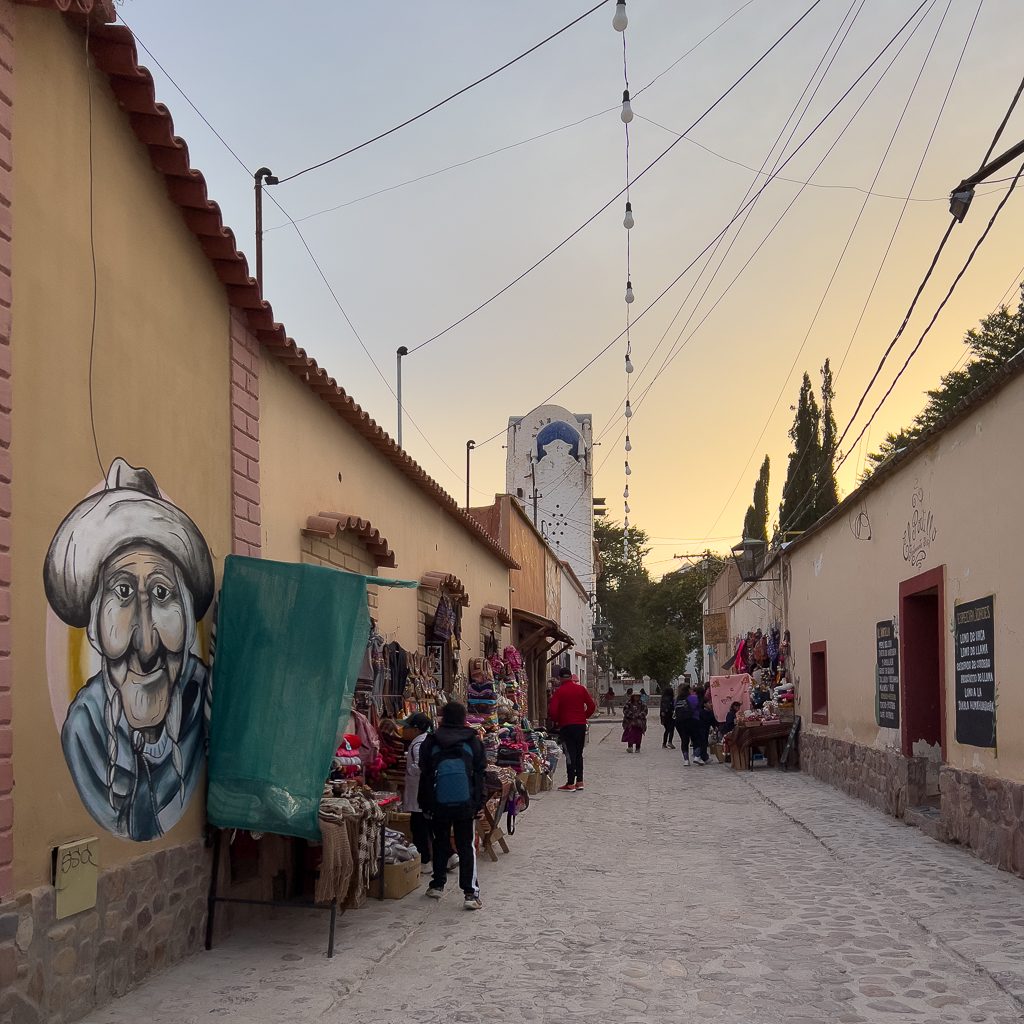
Similar to Tilcara you can find many interesting historic buildings there.
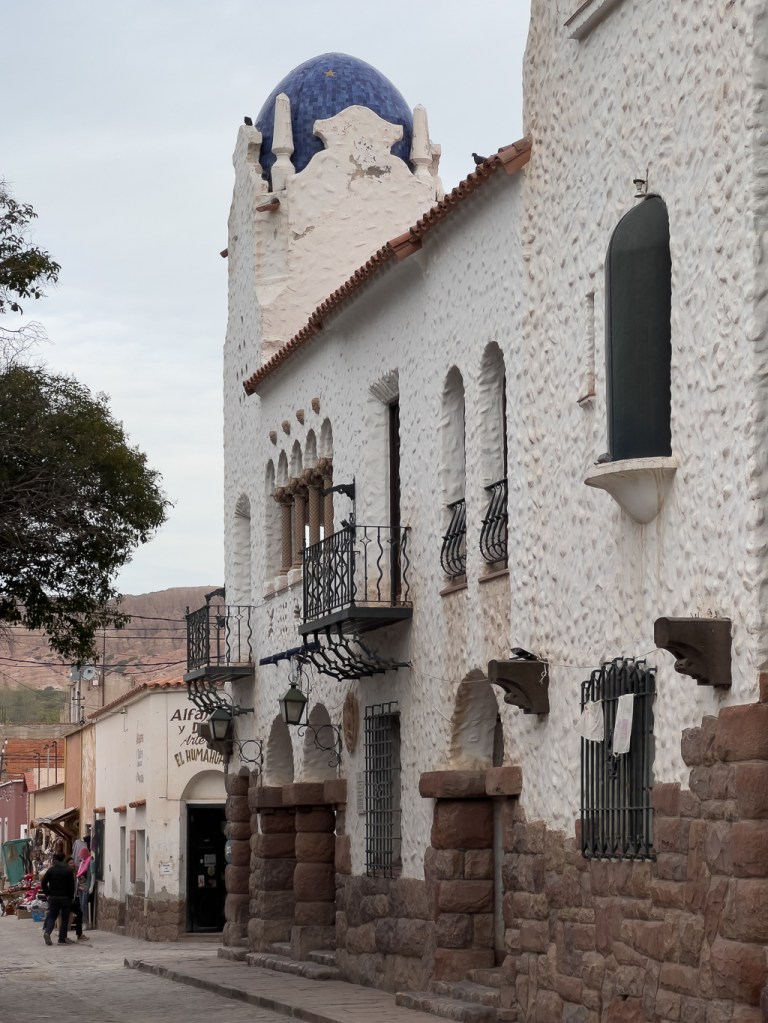

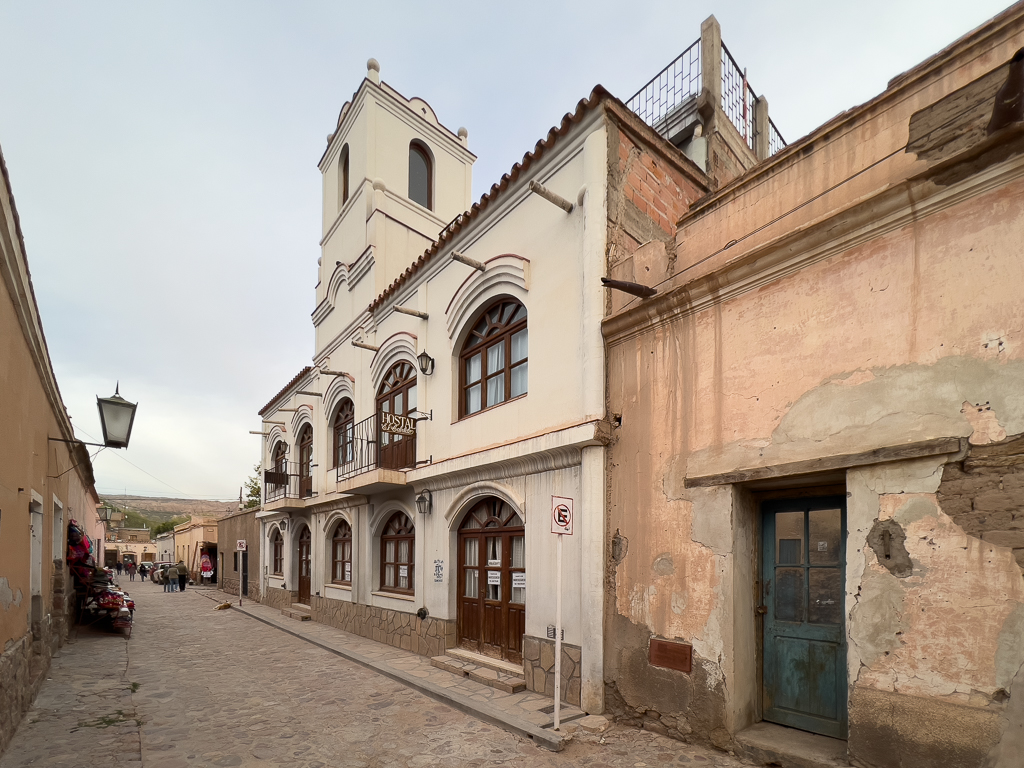
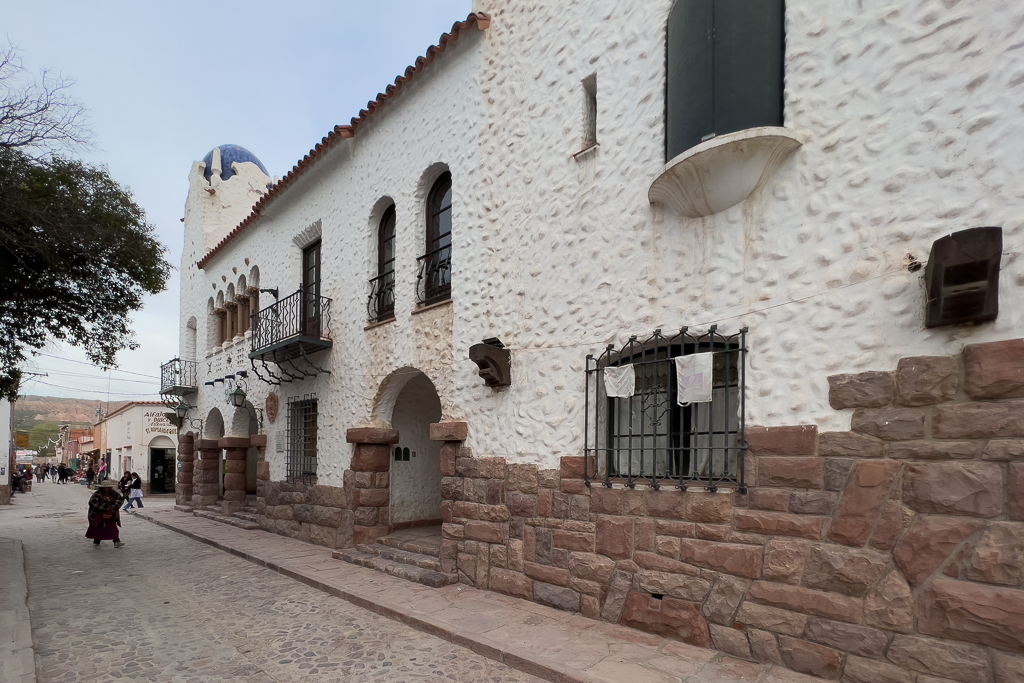
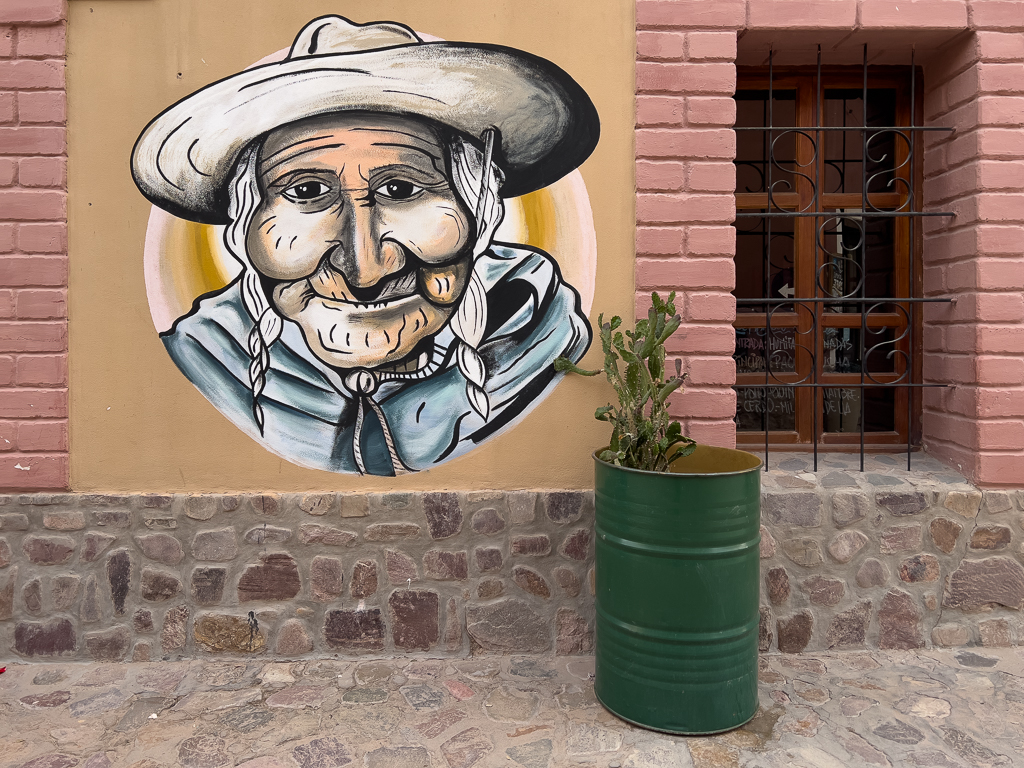
And also similar to Tilcara, there are colorful graffiti, interesting shops, and nice restaurants throughout the city. This, combined with far fewer tourists compared to Tilcara, makes it quite enjoyable to explore Humahuaca for a few hours.
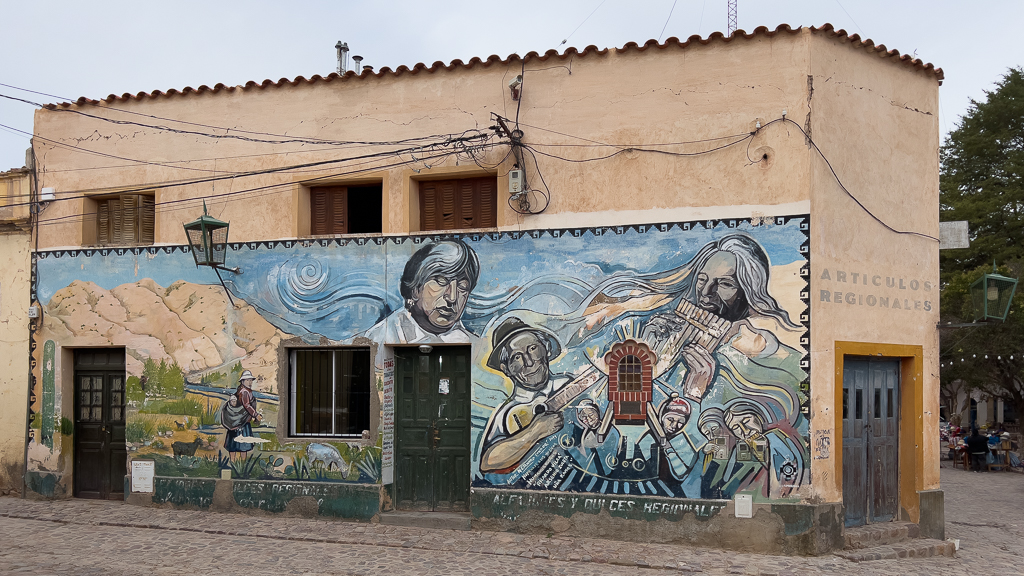

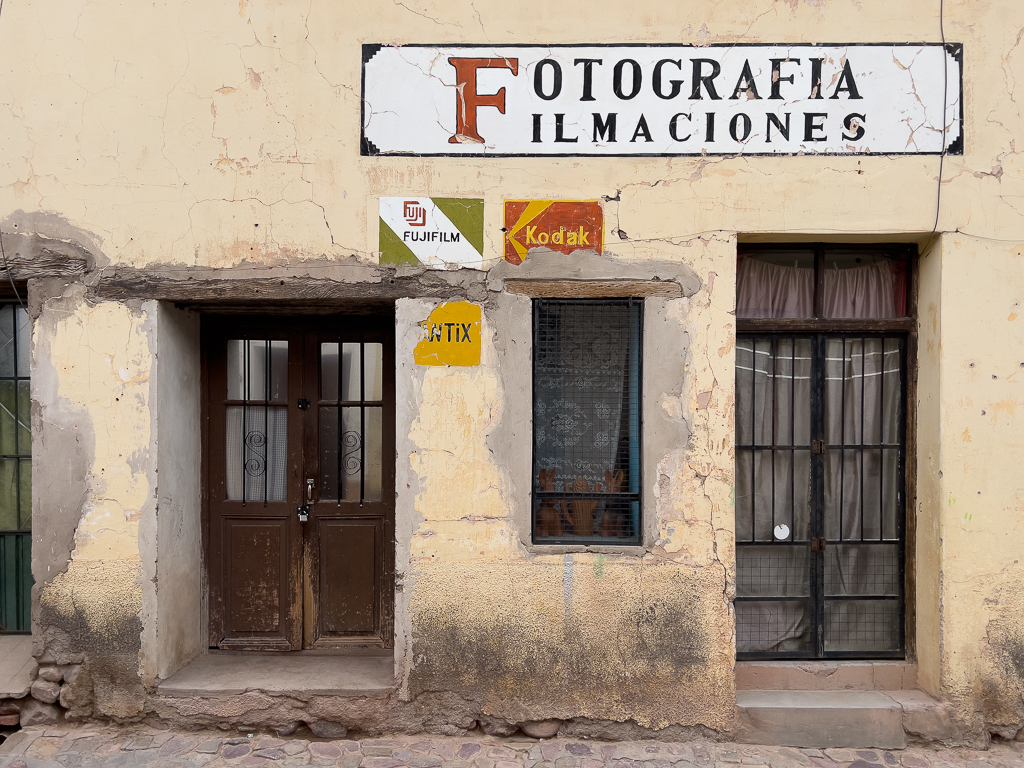
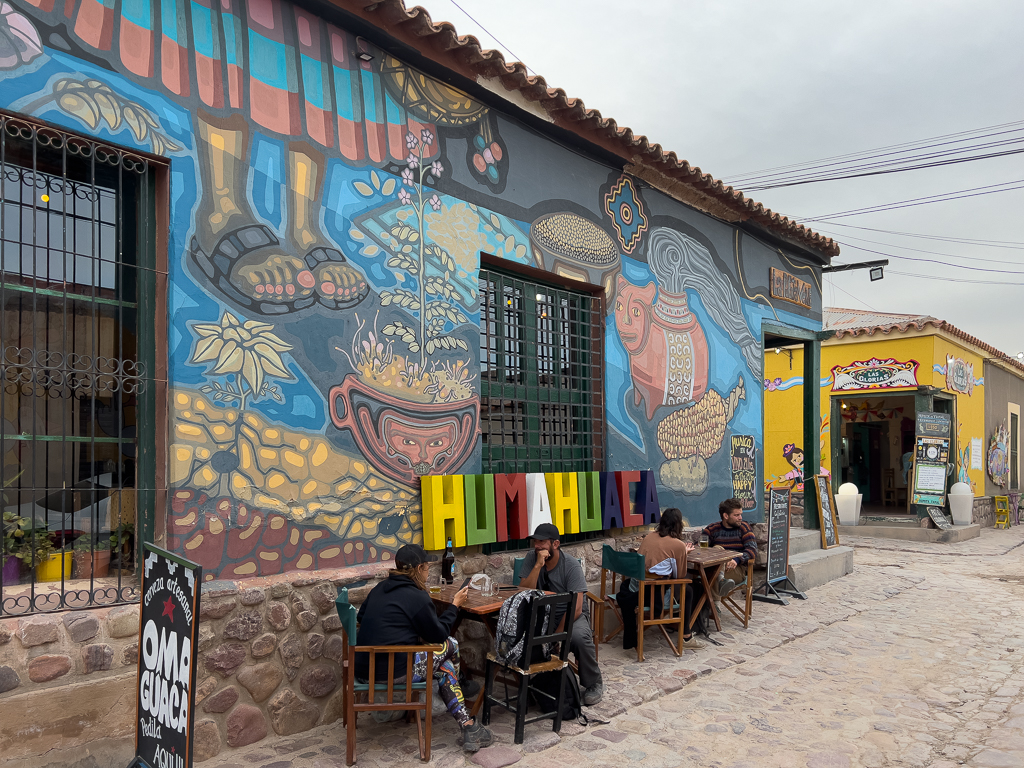


Serranía de Hornocal
20 km east of Humahuaca is another highlight of this region: the Serranía de Hornocal.
The gravel road to Hornocal is narrow and a bit bumpy. But if you have some experience in driving small mountain roads it’s no real challenge. Otherwise, just join one of the many tours from Humhuaca to Hornocal.

The viewpoint at the end of the road is located at 4350m.
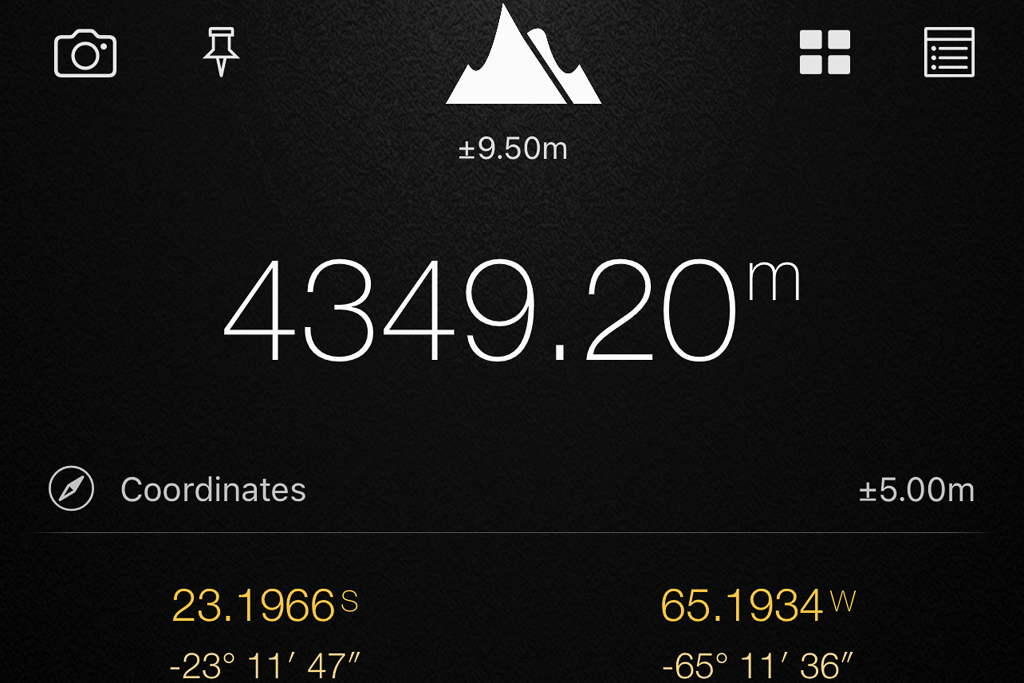
If you are not acclimatized to this altitude, you will get out of breath with every step. If you are experiencing serious symptoms of altitude sickness like strong headaches, dizziness, nausea, or vomiting leave this place immediately and drive to a lower altitude.
Serranía de Hornocal is known as the Cerro de los 14 Colores, the mountain of the 14 colors. The nearby range of hills with many different colors in a unique pattern is really impressive.
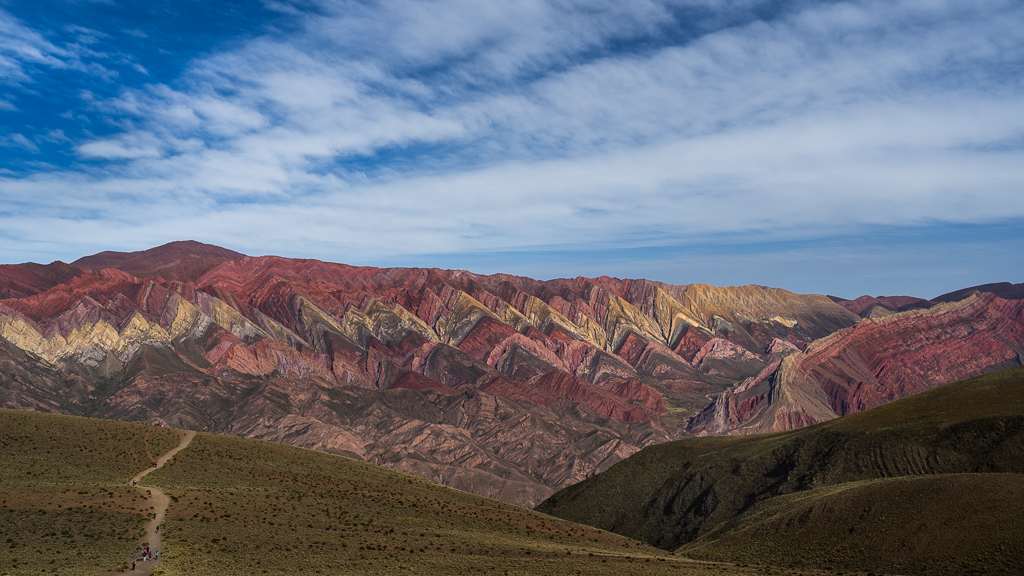
From the parking lot starts a short trail to the lower viewpoint, the Mirador bajo del cerro de los 14 colores. On the way back the last part of the trail is quite steep uphill. Don’t go to the lower viewpoint if you are already feeling symptoms of altitude sickness, even if they are only mild. The view from the lower viewpoint is not that much different than the one from the parking lot.
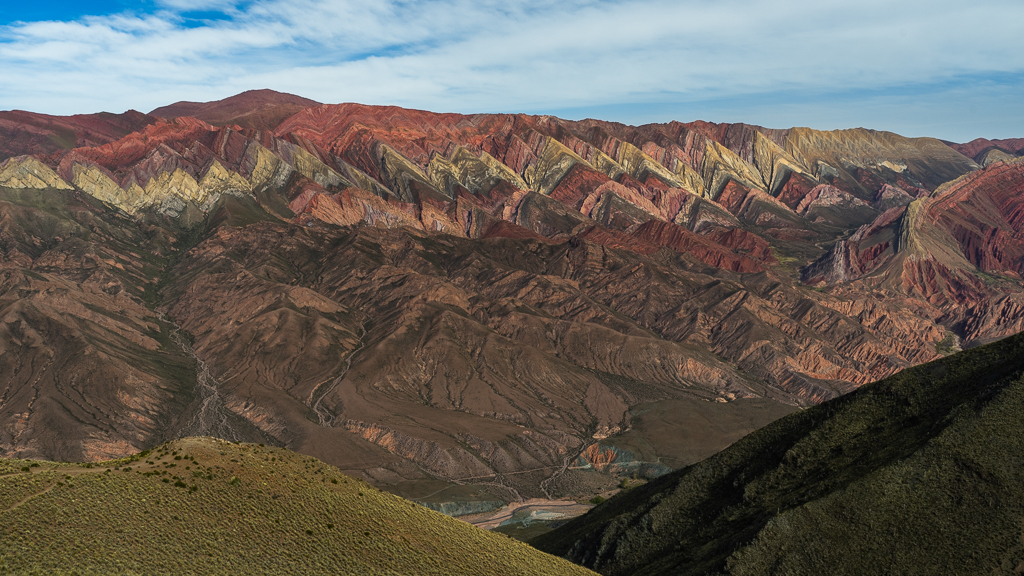
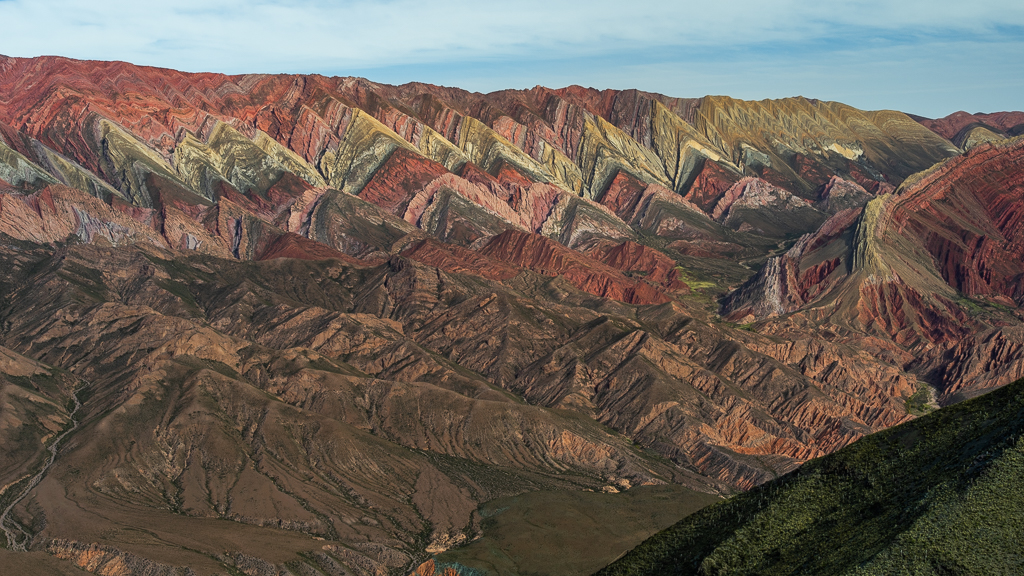
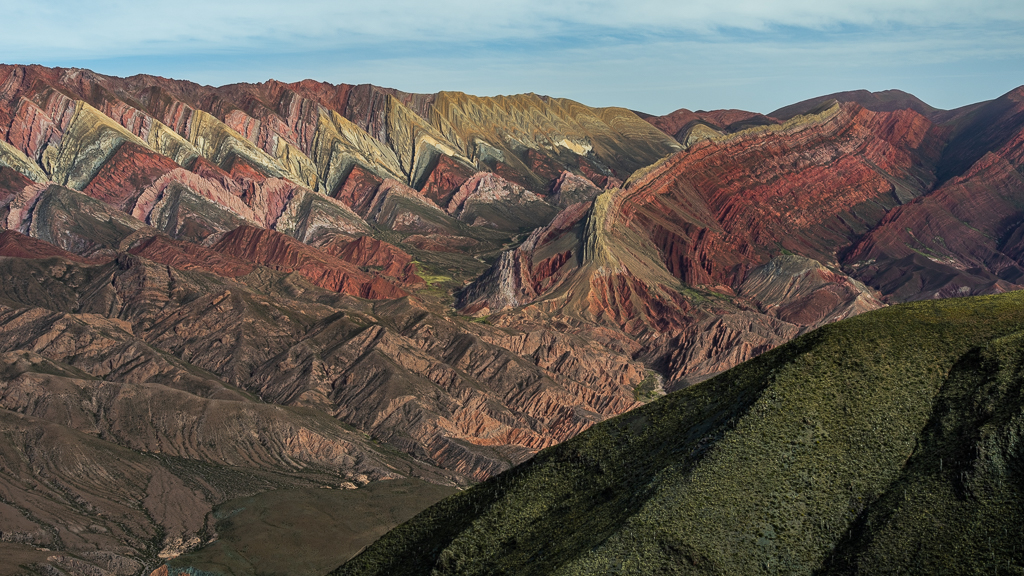
Altogether the area between Maimará and Humahuaca was stunningly beautiful. We spent a whole week there and thoroughly enjoyed it.
 Wild Places
All the great colorful mountainsides – what are the issues here if you want to take pictures with a drone? Flight bans, wind, altitude, dust in the air … ?
Hi Andreas, it depends on the drone. If the weight is above 500 gr it is has to be registered before flying at the National Aircraft Registry of the ANAC, which is a very bureaucratic process. And it is only possible in Spanish. Since my Air 2S was above 500 gr I decided not to fly in Argentina. But I‘ve just bought a Mini 4
Pro for my next trip to South America which solves this problem.