
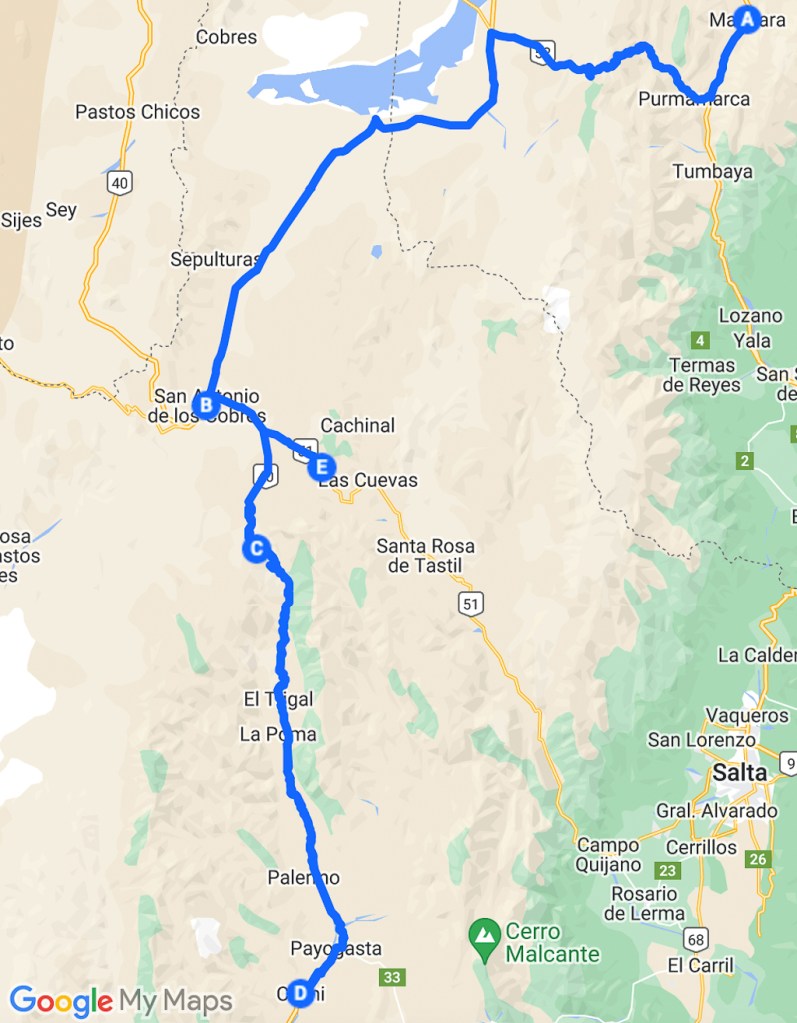
After one week in Maimará, it was finally time to leave this awesome region. Our next destination was San Antonio de los Cobres.
We had to take the Ruta 52 again which leads to Salinas Grandes. But before reaching the salt flats we turned left on the Ruta 79.
(Editor’s note: we have visited this area in April 2023)
Ruta 79
This gravel road leads through a desert-like landscape with the salt flats always visible on the right side.

This area felt very remote and we only saw one other car the whole day.

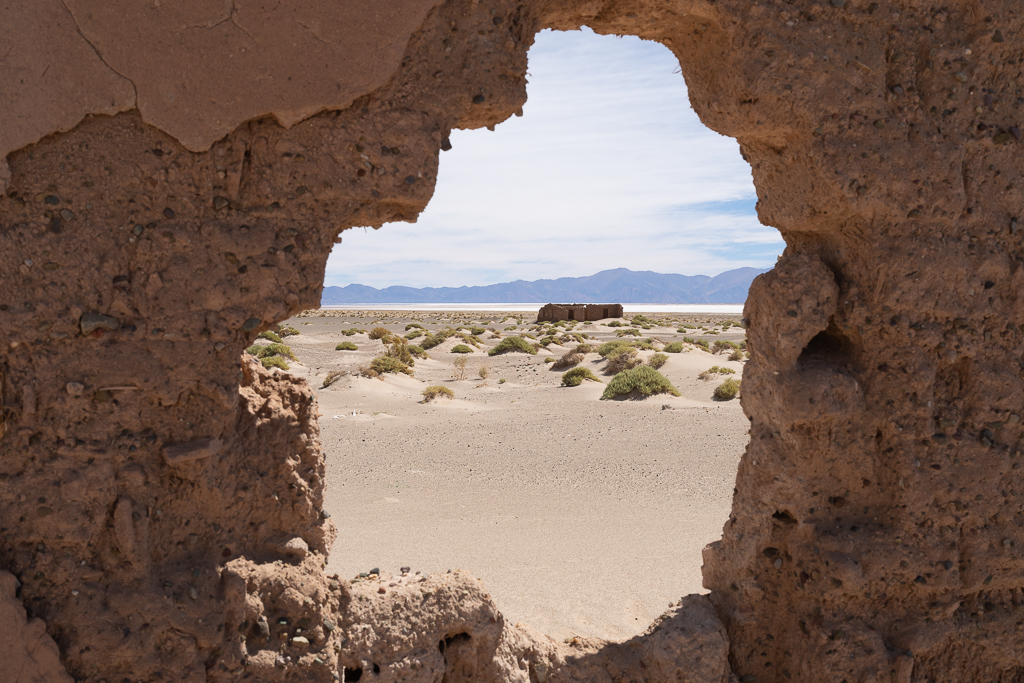
Shortly after the crossing, some interesting ruins can be found next to the road.

The road is a bit bumpy with some medium-sized corrugation but a 4×4 is definitely not needed for this section.

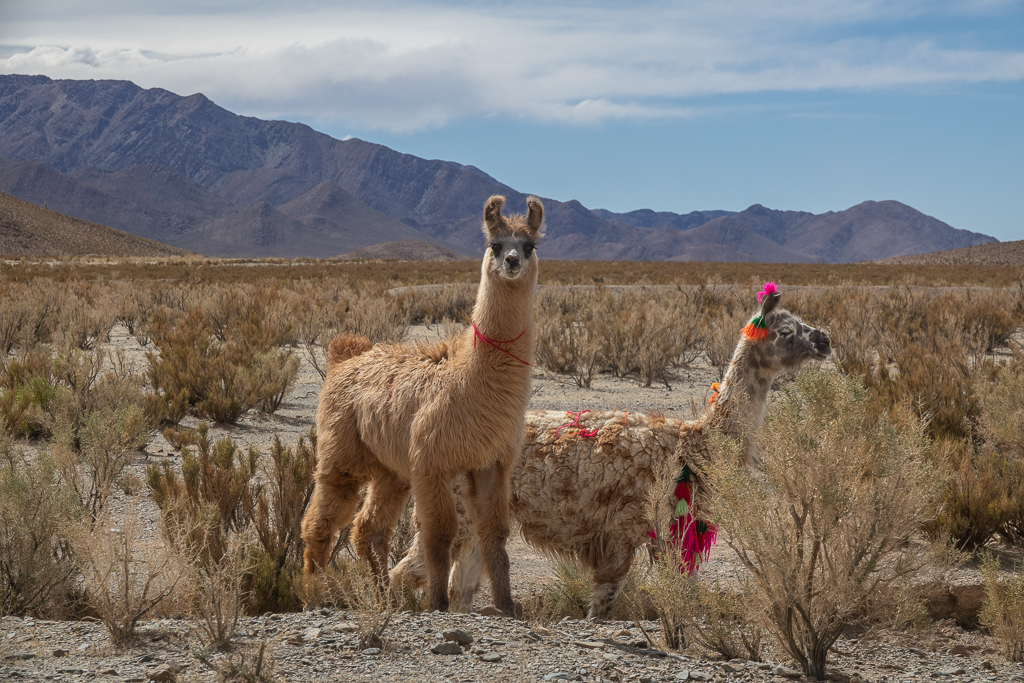
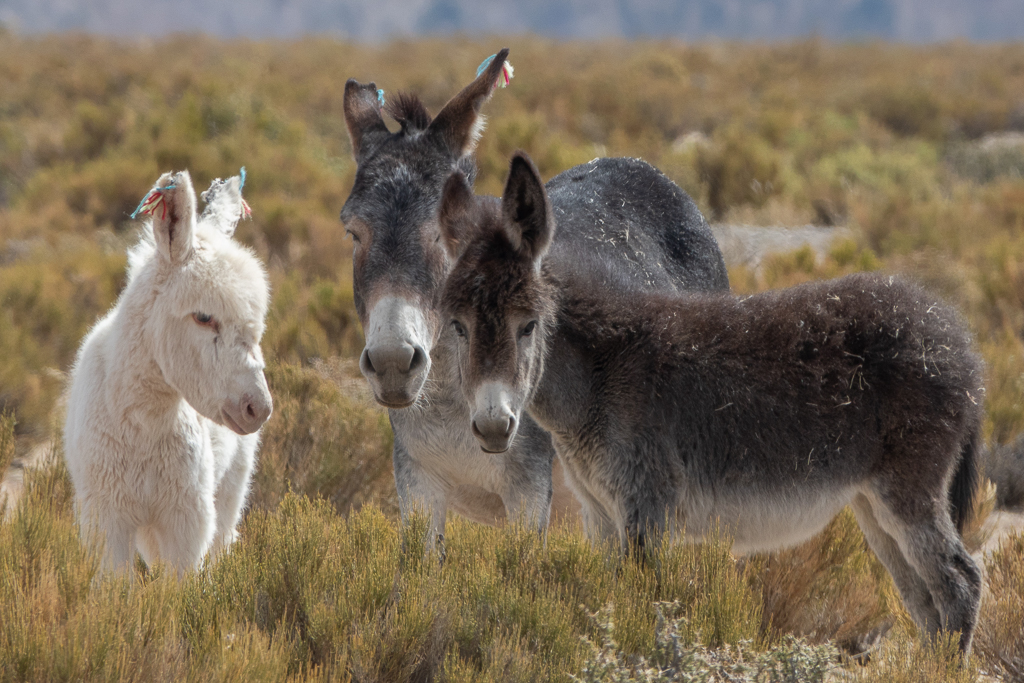
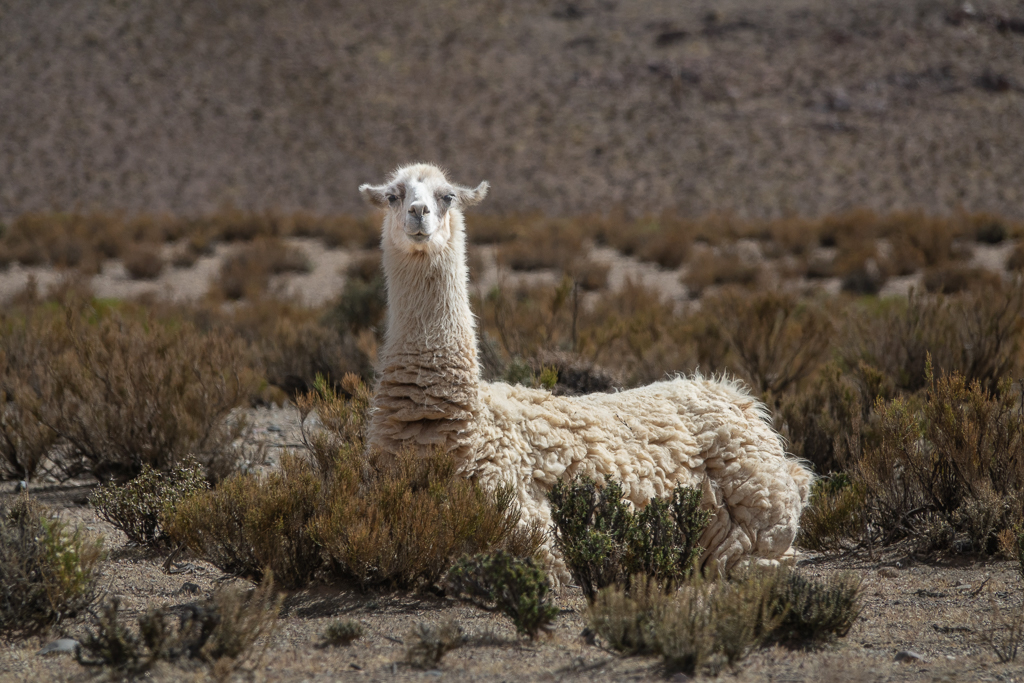
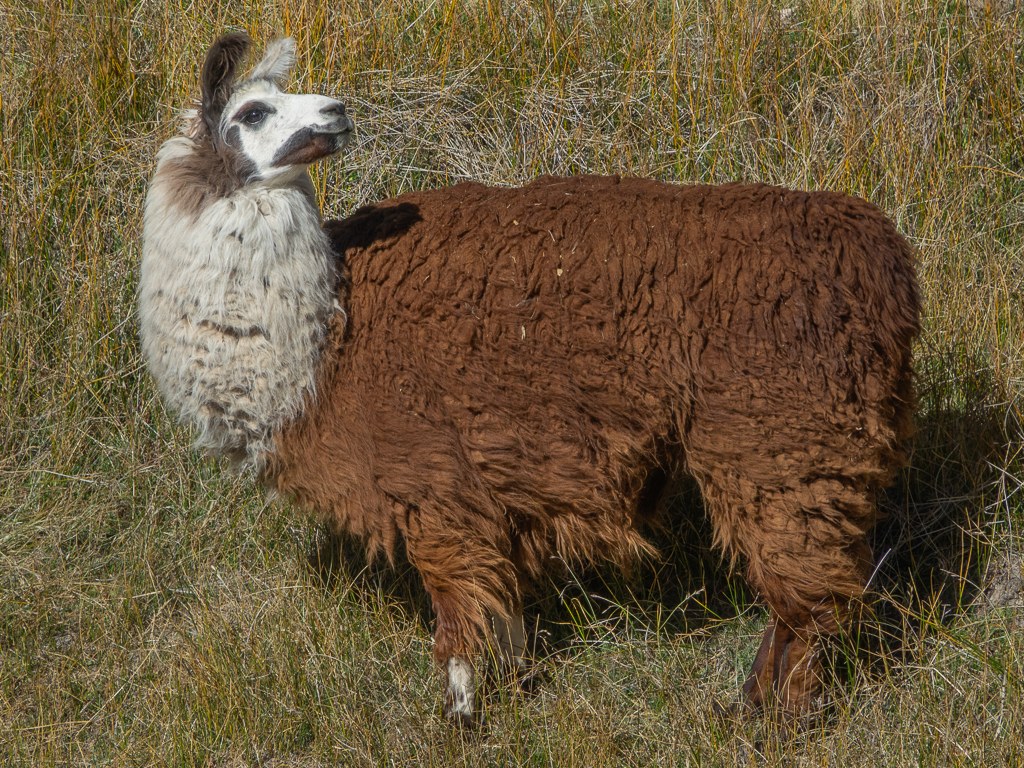
Along the road, we saw lots of lamas and donkeys, some of them beautifully decorated.





210km and half a day later we reached San Antonio de los Cobres.
San Antonio de los Cobres
It’s a medium-sized town (with 5500 inhabitants) in the middle of nowhere. The economy of the town is mainly based on the mining of the mineral-rich surrounding mountains. In addition, tourist activities are nowadays another significant economic area of the village, especially the famous Tren a las Nubes (Train of the Clouds). More about this train in the next blog post.

The town is also known for its high elevation of nearly 3800m. It is one of the highest elevations of any city or town in Argentina.

And exactly this was the main reason for us to spend some nights in San Antonio de los Cobres.
There are two main challenges of driving the Ruta 40 from San Antonio de los Cobres to Cachi over the Abra del Acay Pass: the difficult road conditions and the altitude of the pass at nearly 5000m. Getting altitude sickness while trying to master a challenging offroad track at the same time is not a good idea.
Maimará was only at 2400m. To reduce the risk of altitude sickness at the pass we needed some further acclimatization at higher altitudes. Therefore, we decided to spend three nights in San Antonio de los Cobres for altitude acclimatization.
Although San Antonio de los Cobres is definitely not the most beautiful town in Argentina it has an interesting Wild West atmosphere.


In the city center, you can find a beautiful old church.


There are only a few hostels and hotels available in San Antonio de los Cobres and the nights are very cold due to the high altitude. We chose the Hotel de las Nubes, probably the best hotel in town.

It’s not cheap but offers nice and clean rooms, good heating and warm showers. At nearly 4000m altitude in a dusty and remote Wild West town, a little comfort goes a long way.
On our first evening, we enjoyed a spectacular sunset at the hotel.

A few additional words about traveling at very high altitudes: First, acclimatization is key. And there is no good shortcut around it. It takes time. During the acclimatization phase, it is a good idea to drink lots of water and regularly measure your blood oxygen level with a pulse oximeter. If the value is too low and/or you are feeling severe symptoms of altitude sickness (like headache and dizziness), leave this place and drive to somewhere at a lower altitude. I would do this if my level is constantly below 90% for a longer period (at an altitude of around 4000m). But I’m not a medical doctor and therefore this is not a medical advice. Personally, I would not take any medication like Diamox prophylactic against altitude sickness. It mainly covers some of the symptoms and due to this leads to additional risks.
In some South American countries, it is very common to use coca in high altitudes. It is available as leaves (which can be chewed), tea, or as candy. In our hotel coca tea was available for breakfast. In addition, we bought some coca-candy and tried it. It really helped to reduce the symptoms. But for the same reasons as mentioned above about Diamox, I would use it only when I know that I will be at this altitude just for a short time. If you plan to buy any coca products please verify that they are allowed in the country where you are or plan to go next. For example, in Bolivia, coca-candy is very common and completely legal, while in Chile, it is not allowed and could get you in trouble. In Argentina, as far as I know, it is legal only in the Northwestern provinces.
Another good strategy for faster acclimatization to high altitudes is to make shorter explorations to slightly higher altitudes during the day and then return back to lower altitudes for the night.
Abra Blanca
The Ruta 51 to the Abra Blanca Pass was ideal to follow this strategy.
Halfway between San Antonio de los Cobres and the Abra Blanca Pass you can find the abandoned train station Estación Muñano.


The Abra Blanca Pass is located at an altitude of 4080m, 200m higher than San Antonio de los Cobres. Spending some time there should definitely help our acclimatization process.

In 1915 a world record was achieved at the Abra Blanca Pass for the highest altitude driven by a car (4060m).

Currently, Porsche is holding the world record for reaching an altitude of 6741m in 2023 at the Ojos del Salado volcano in Chile.
San Antonio de los Cobres to Abra del Acay
After three nights in San Antonio de los Cobres, we were enough acclimatized to 4000m to continue to higher altitudes. Our next destination was the famous Abra del Acay Pass (also known as Abra el Acay).
The road to the pass from San Antonio de los Cobres was rather unspectacular and easy to drive.

The sign at the pass shows an altitude of 4895m.


But the GPS of our iPhones showed an even higher altitude of 4959m.

The Abra del Acay is the highest pass in the world on a national highway and the highest pass outside of Asia.
At the pass, we met a Swiss overlanding family with their Toyota 4Runner. They were insecure about whether they should continue the Ruta 40 to Cachi or not since they were warned about the challenging road conditions ahead by local people.

On difficult tracks, it’s always a good idea to have a second vehicle in case something goes wrong. Therefore, we decided to drive the section from the pass to Cachi together.
Abra del Acay to Cachi
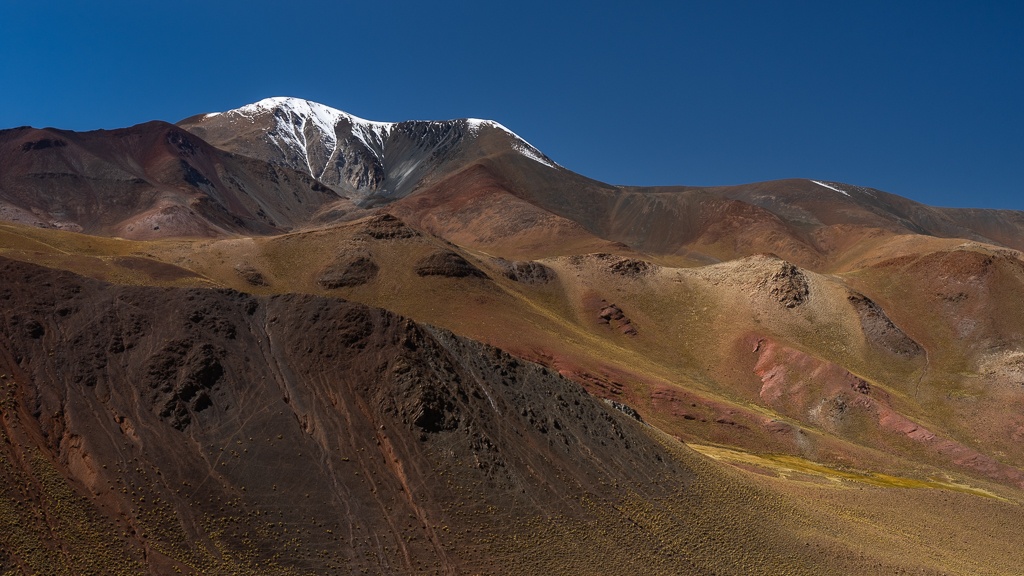
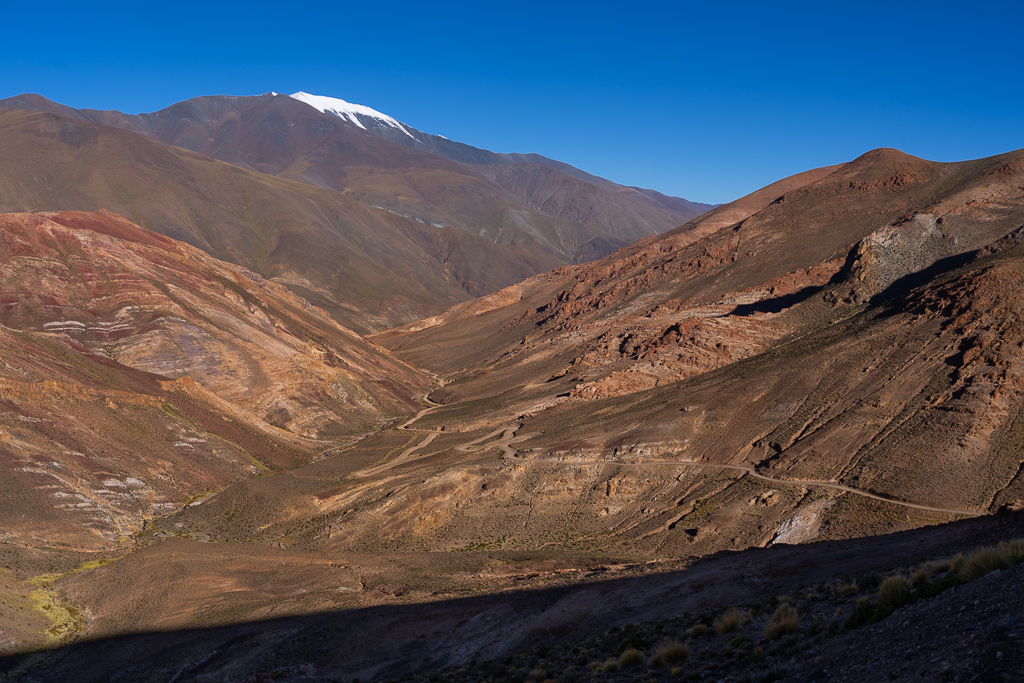
Both the road and the landscape changed completely on the other side of the Abra del Acay Pass.


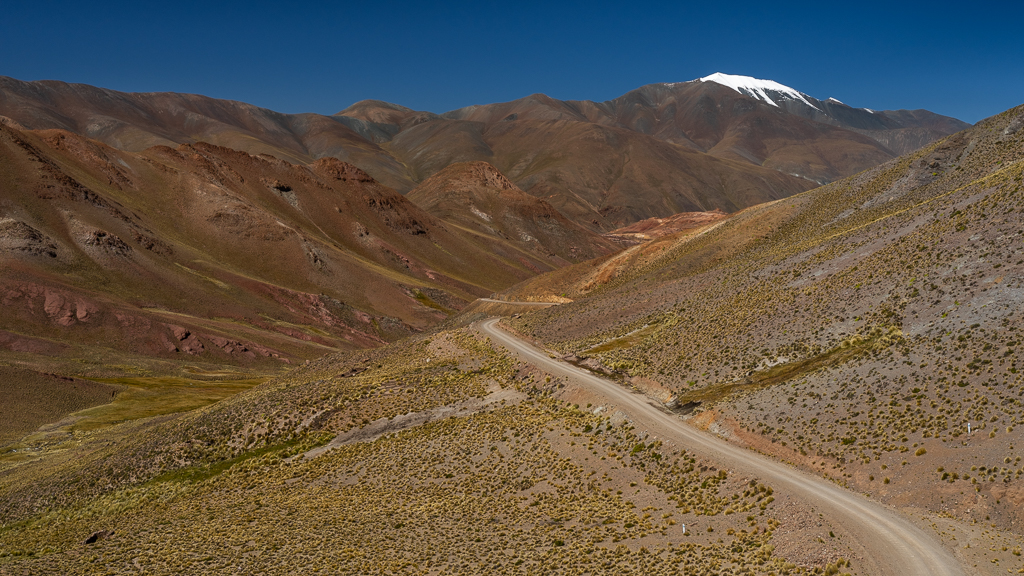
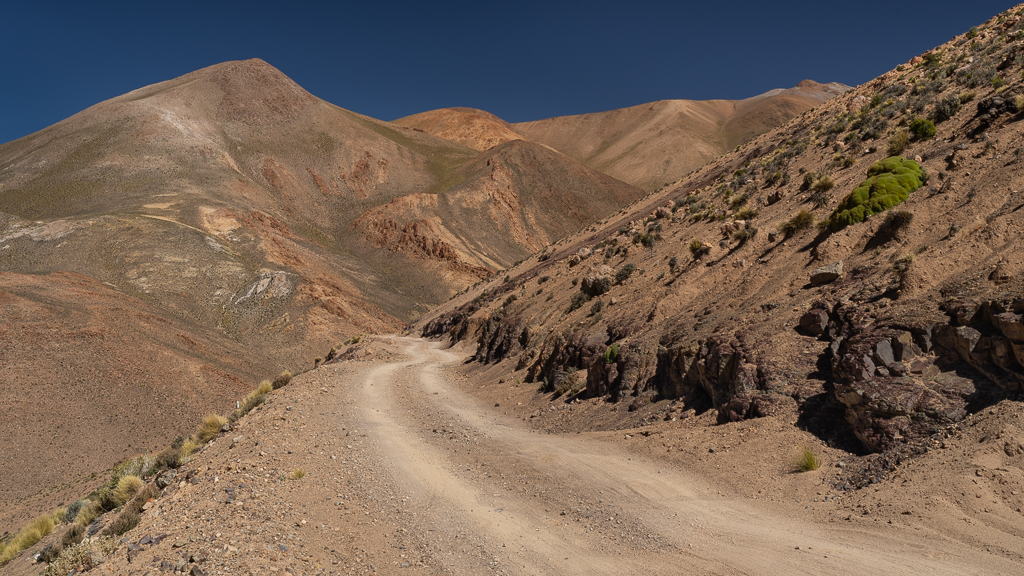
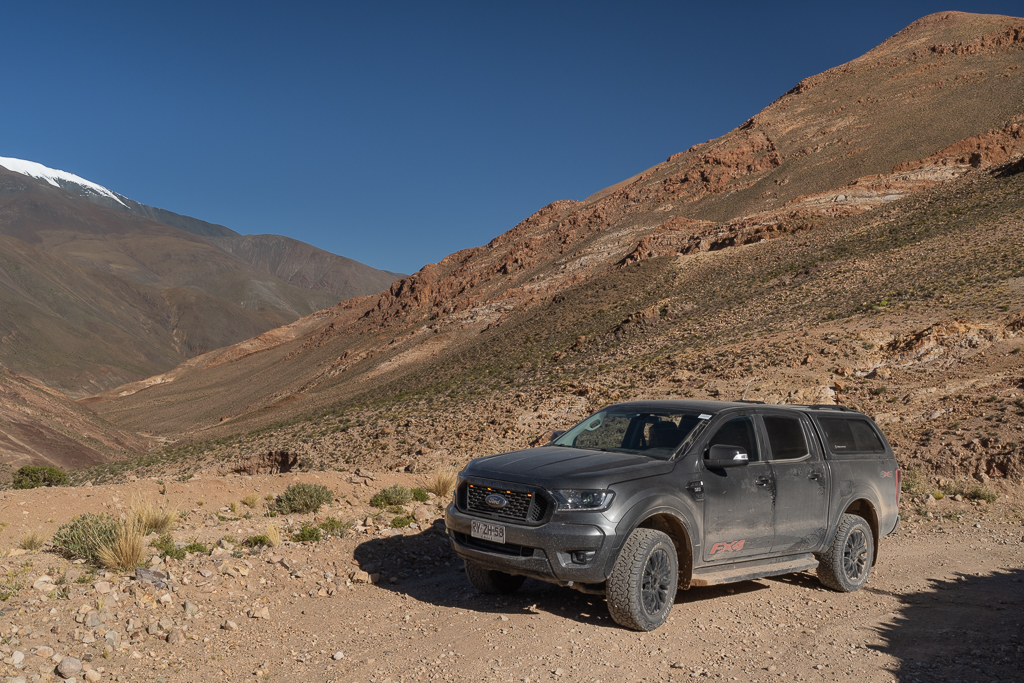
The road gets a lot rougher and at some sections very narrow. Personally, I wouldn’t drive it with a large expedition truck. Something like an Iveco 4×4 or a Ford F150 is probably the largest vehicle I would enjoy on this track. Our relatively small Ford Ranger was just perfect for these kind of conditions.


The landscape was absolutely stunning. And during the whole day, we didn’t see any other vehicle in this area. This also means you can wait quite a long time if you are having a problem with your vehicle. Therefore, either travel with at least two cars or carry enough water, food, and camping equipment to be able to wait for a couple of days for help. On these kinds of tracks, it’s also a good idea to carry a satellite phone. Don’t rely on your smartphone for emergency communication. It won’t work.

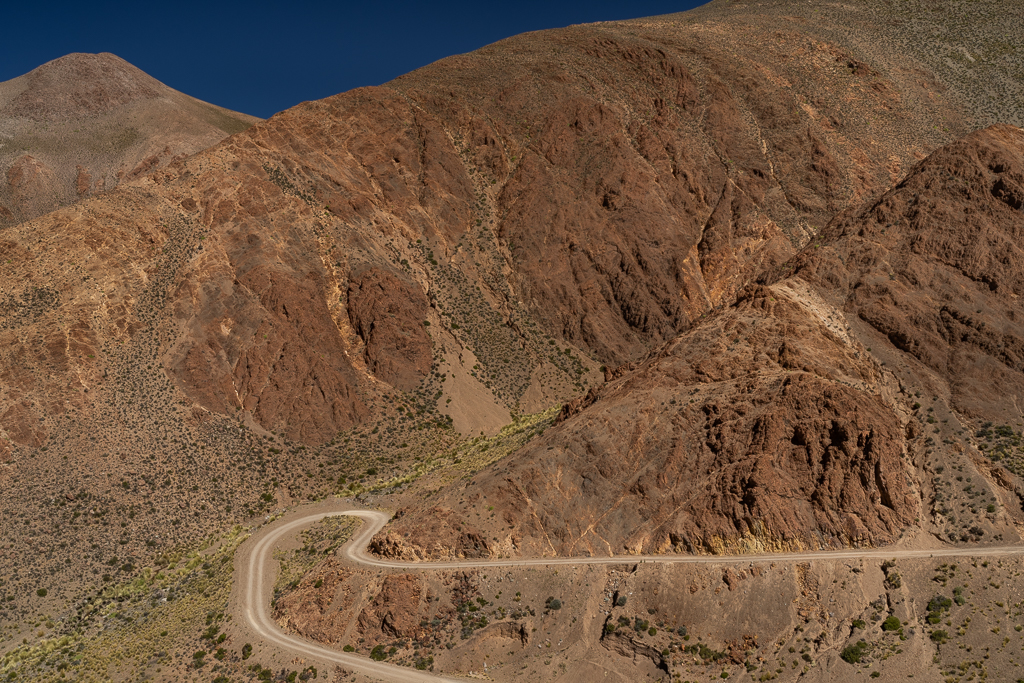


About 20 km below the pass local people are offering homemade food and hand-made souvenirs. We had a short break there and bought some fresh bread.


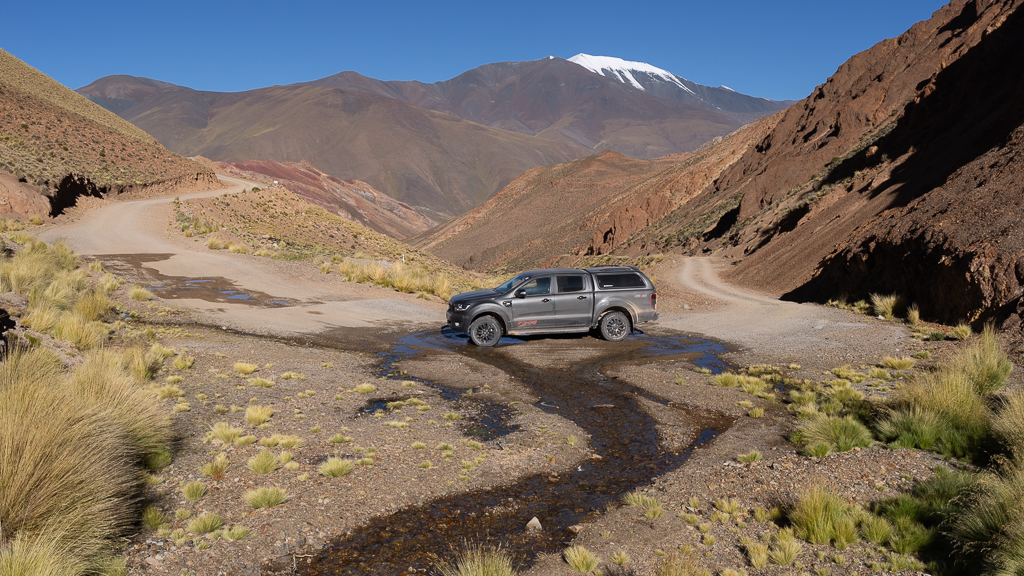
Most parts of the track could be driven with any kind of car. But the section before La Poma is a bit more challenging and lots of small streams have to be crossed.


One section that led directly through the river bed was quite rough and needed both spotting and a robust vehicle with high ground clearance.


The 4Runner of the Swiss family had no 4×4 but also managed to get through without any problems. High ground clearance and robust tires are more important than 4×4 on this track. But anyone thinking about driving this track with a standard rental car: forget it. You would likely destroy the car.
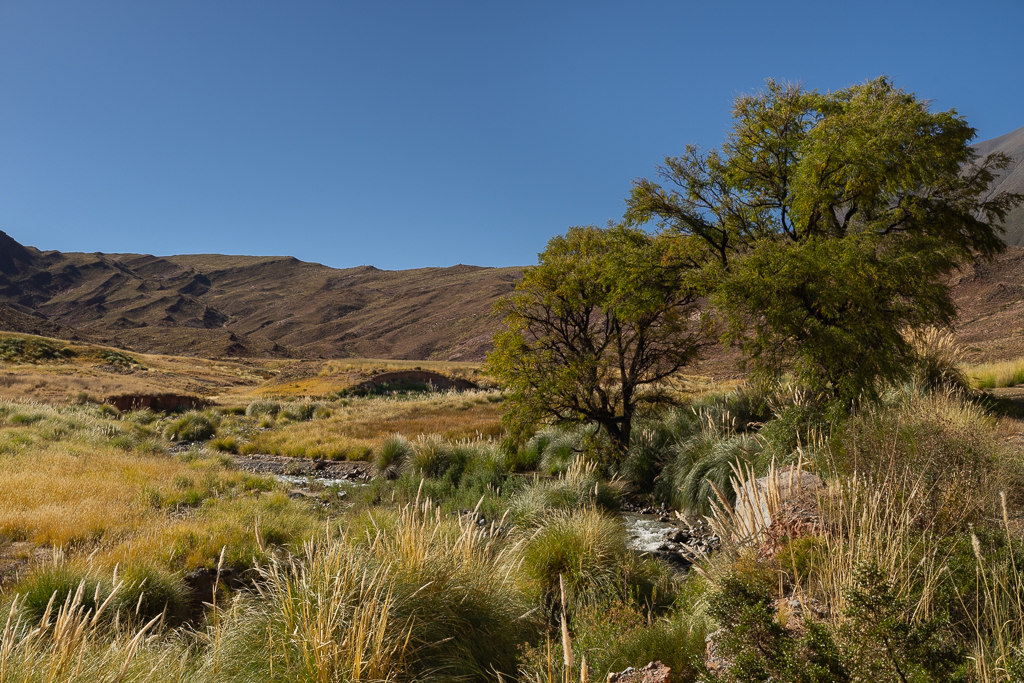
In the final section before Cachi, the landscape changes again. Compared to the higher altitude larger plants and trees can be found again.


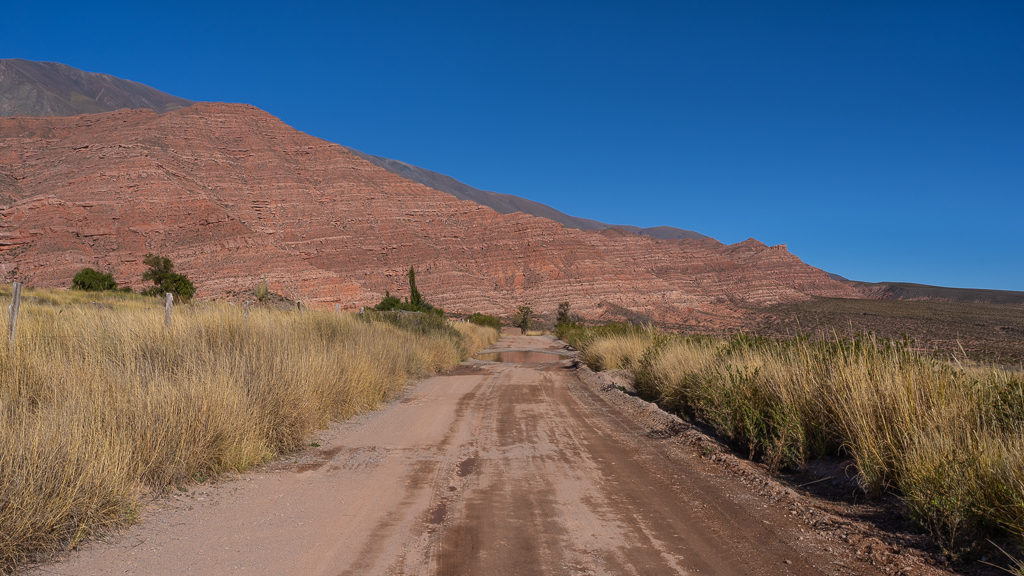
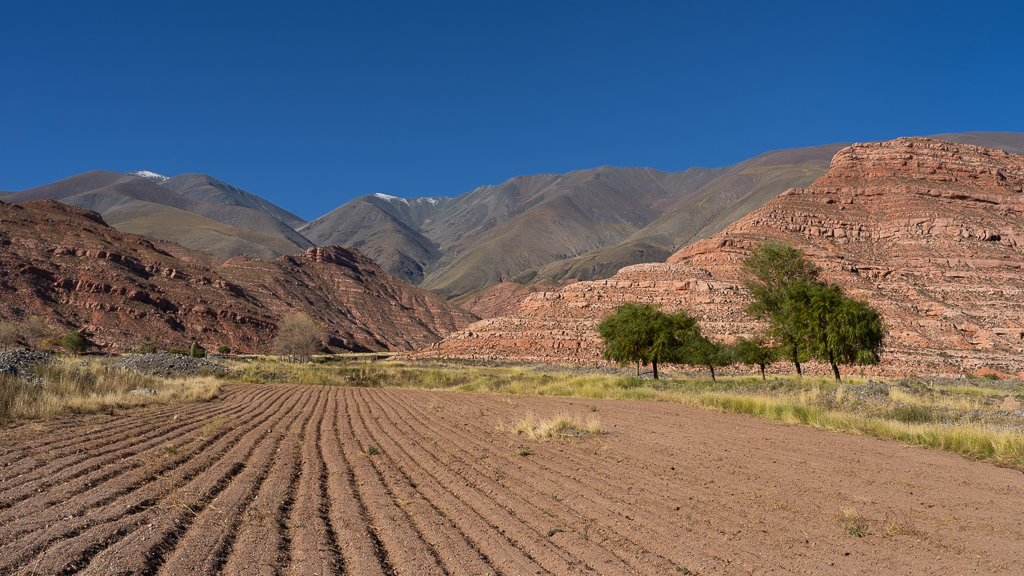
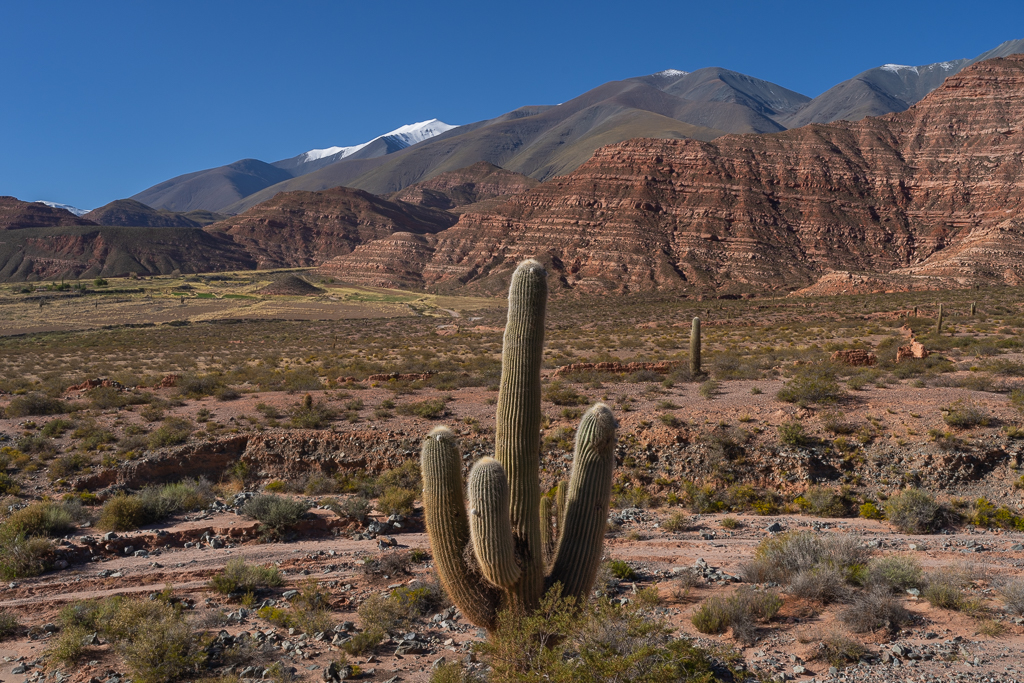
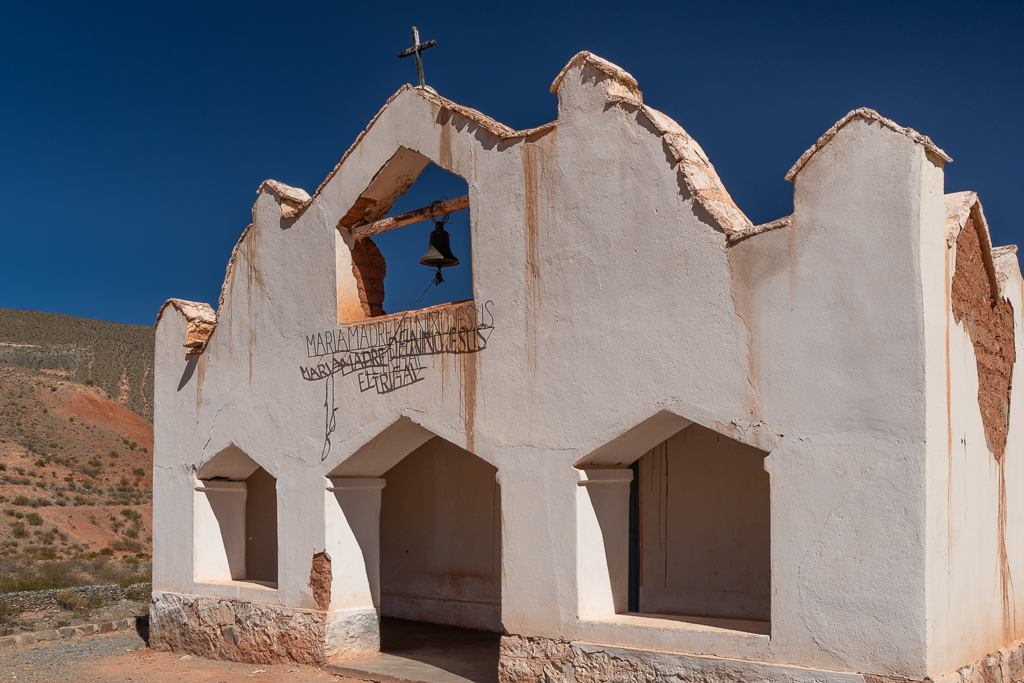
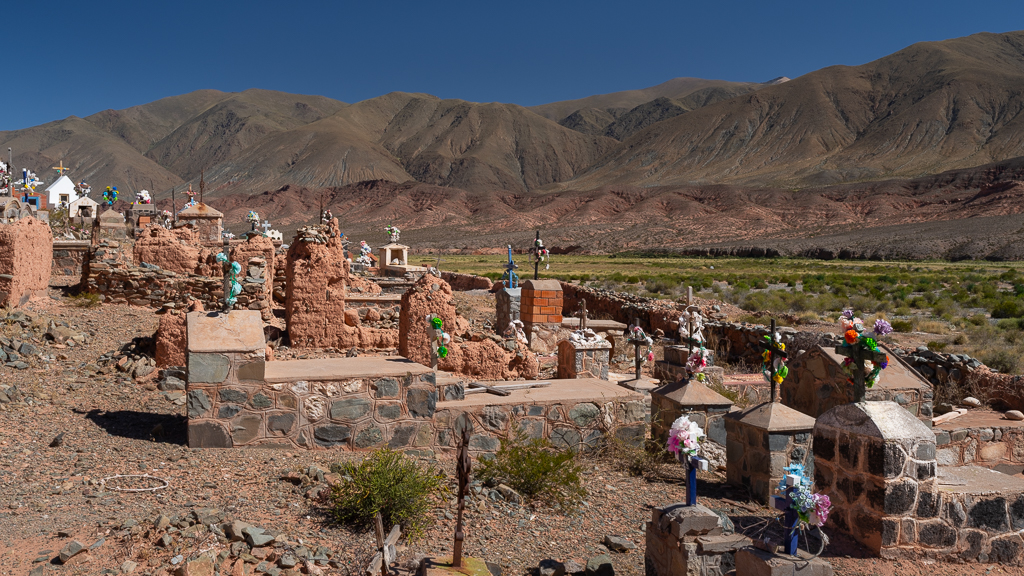
Along the way, we also found a very interesting cemetery.



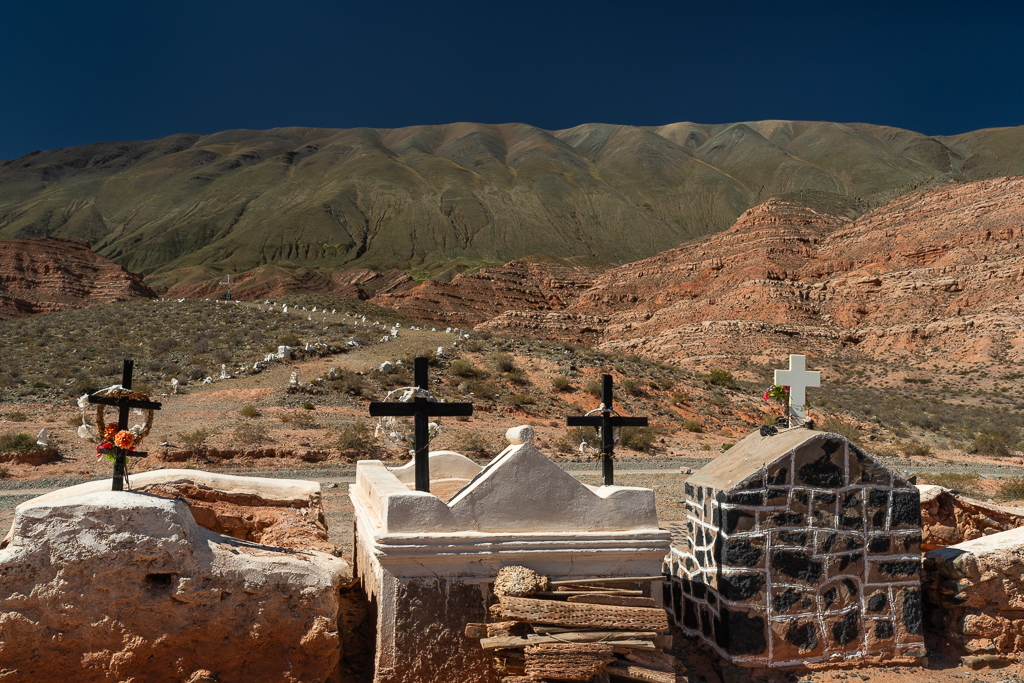

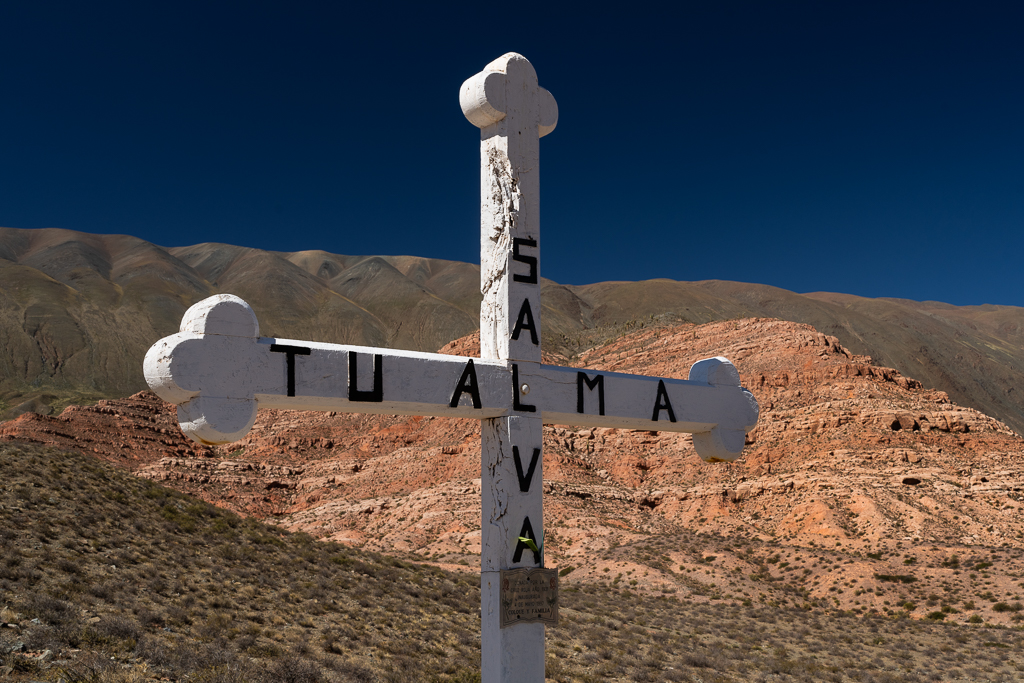
It took us nearly the whole day for the 145km from San Antonio de los Cobres to Cachi. But we had countless photography stops and shot over 1000 images. If you just drive through it will be much quicker, but then you will miss a lot.
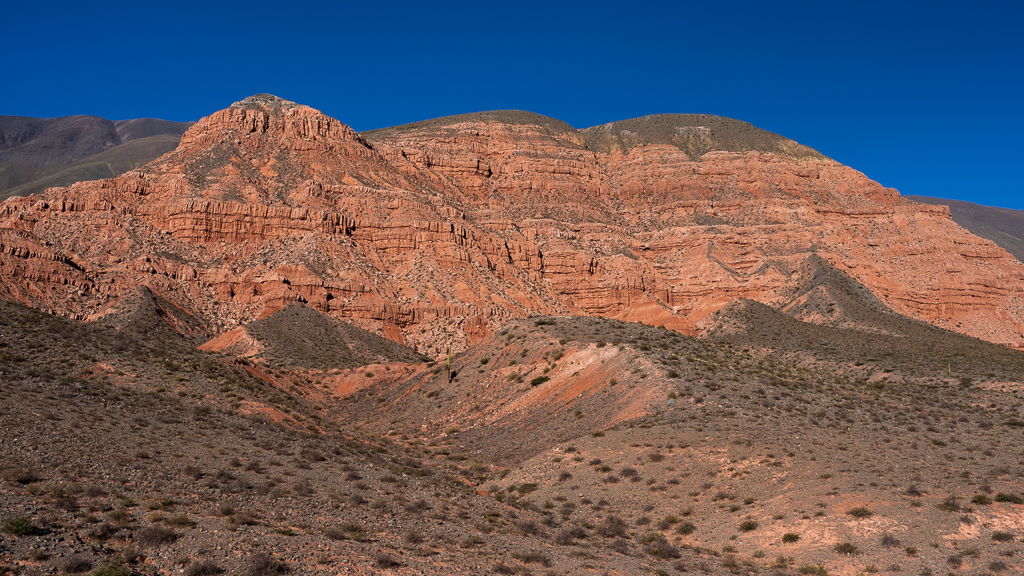
We spent only one night in Cachi, where we had dinner together with our new overlanding friends celebrating the successful crossing of the Abra del Acay pass. It was a great day and we thoroughly enjoyed the great company. These spontaneous meetings with other overlanders are one of the great aspects of the overlanding lifestyle.
Cachi to San Antonio de los Cobres
The next day, we returned the same track back to San Antonio de los Cobres. This time alone, since the Swiss family wanted to explore some other places near Cachi. But we agreed to keep in contact via WhatsApp and meet again at the Salar de Uyuni in a few weeks.

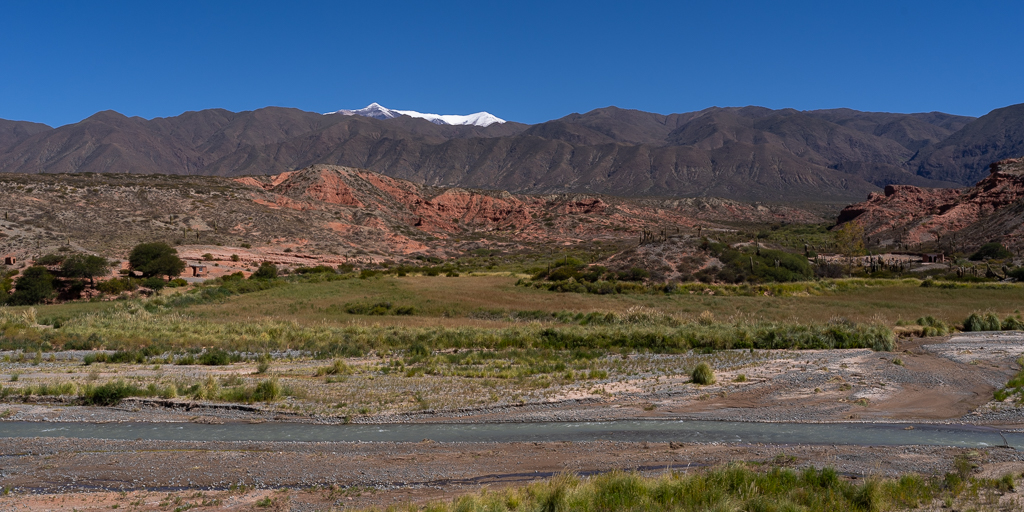

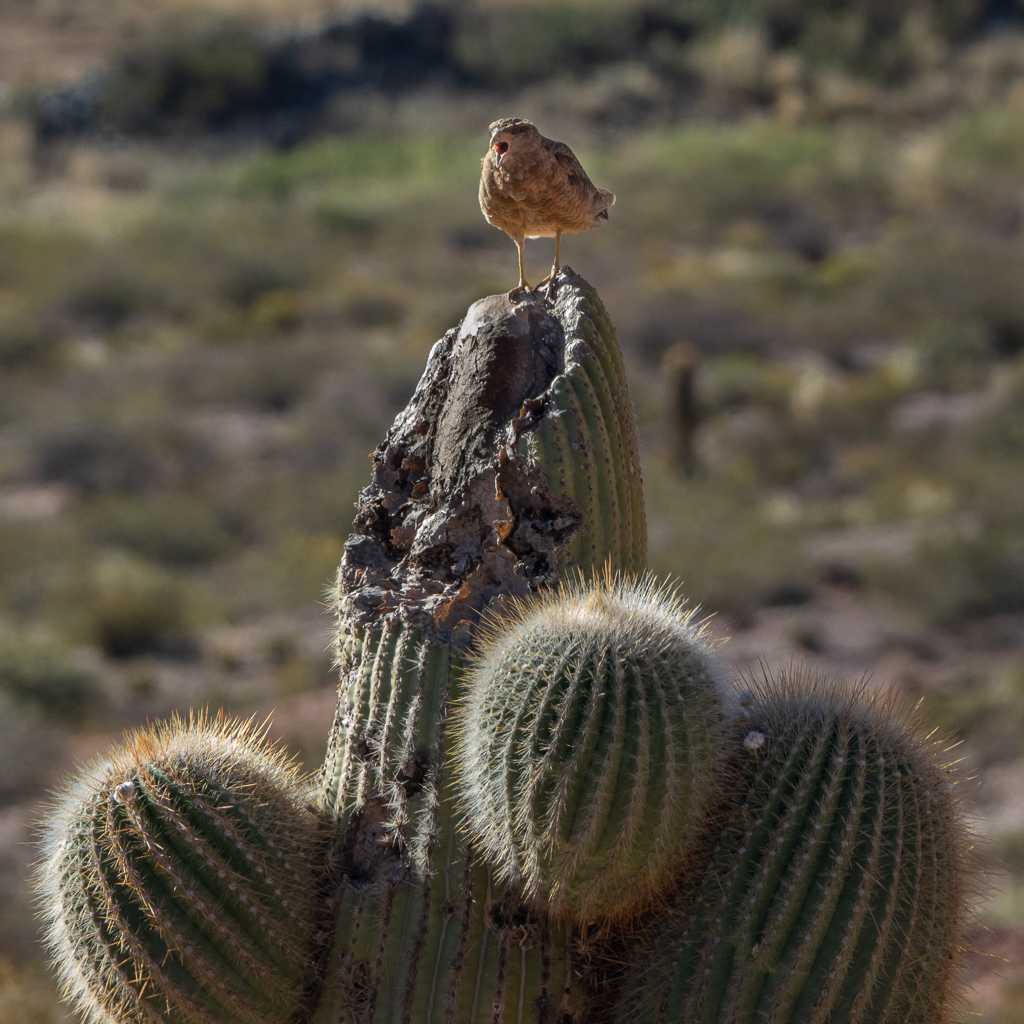
On the way back we encountered lots of beautiful birds.

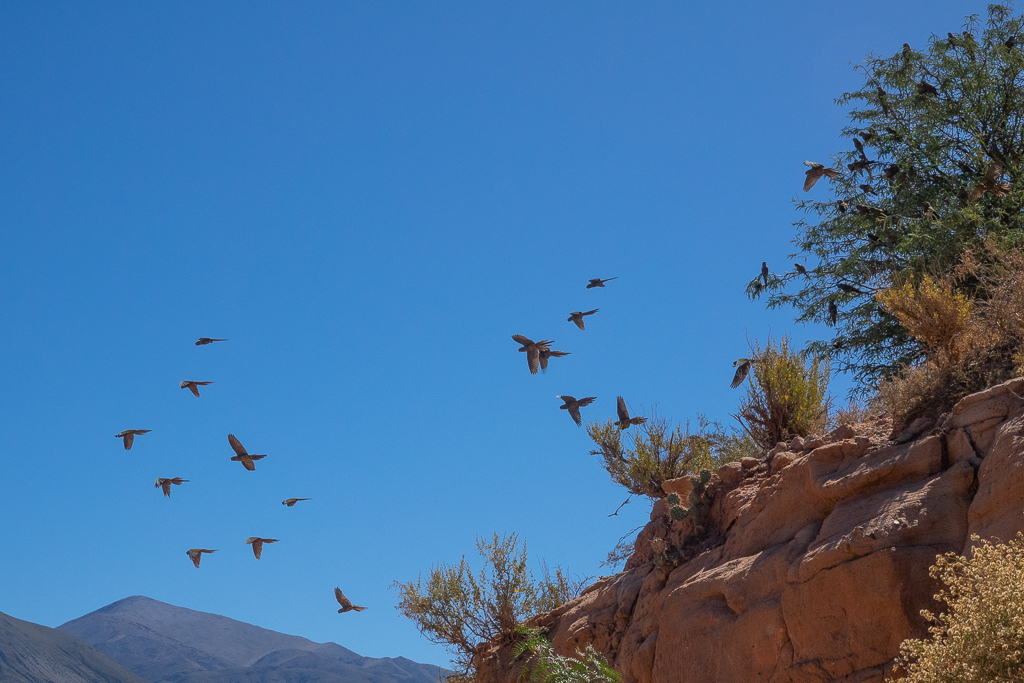


Driving the same route in the other direction offered some new views of the spectacular landscapes.
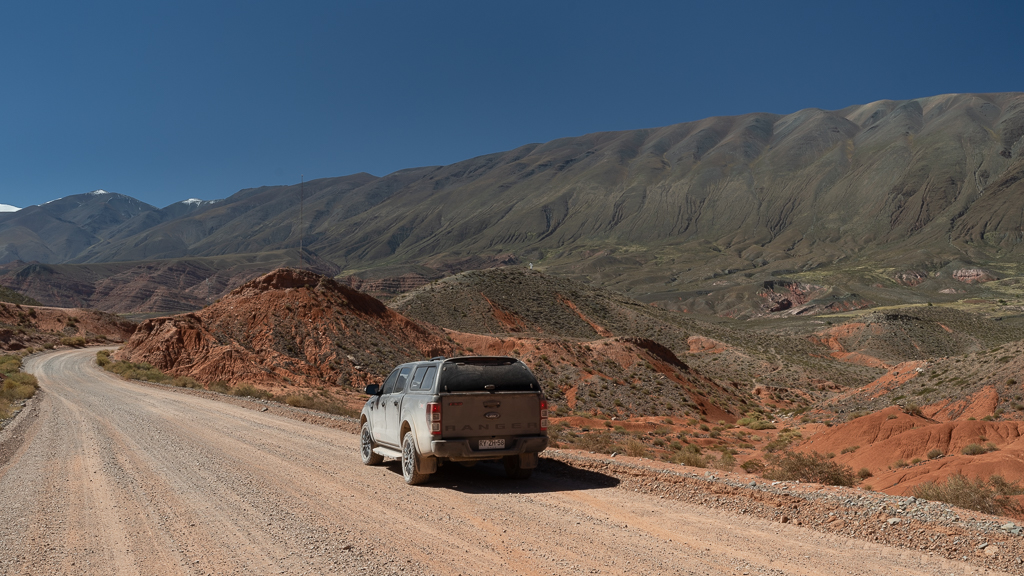
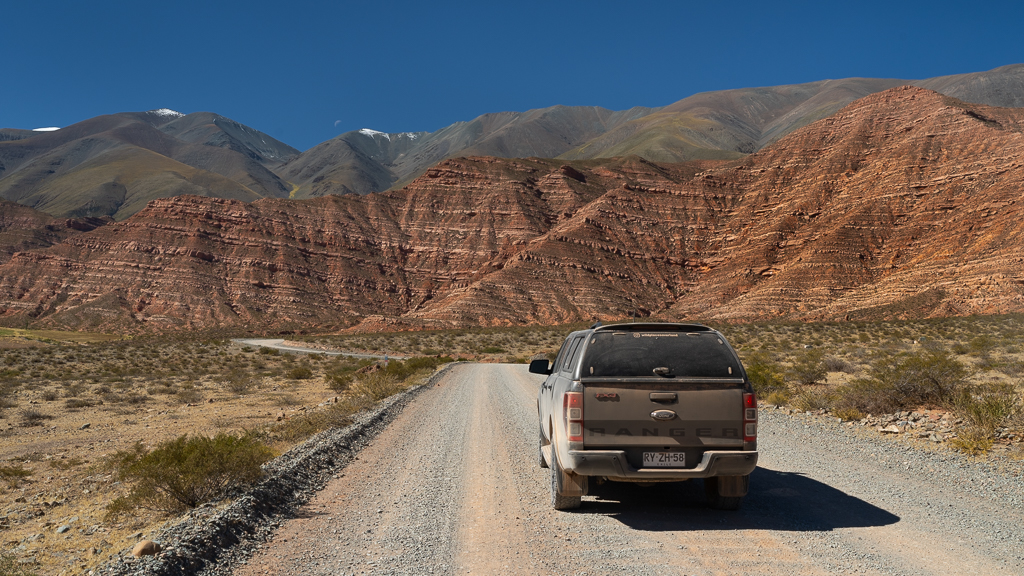

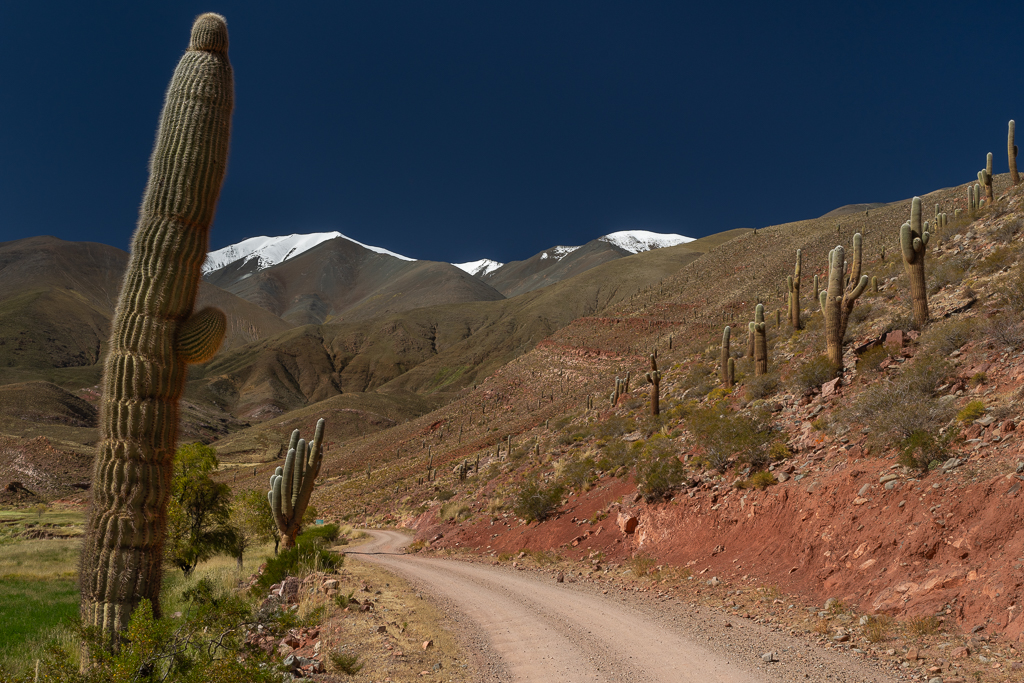
Since we did know all the upcoming challenges in detail and were sure that our Ford Ranger would master them, it was far more relaxed driving compared to the day before.




Shortly before the Abra del Acay Pass we met Christian from Alma Gaucho, a German living in Argentina and offering tours through the Puna region with his Troopy.


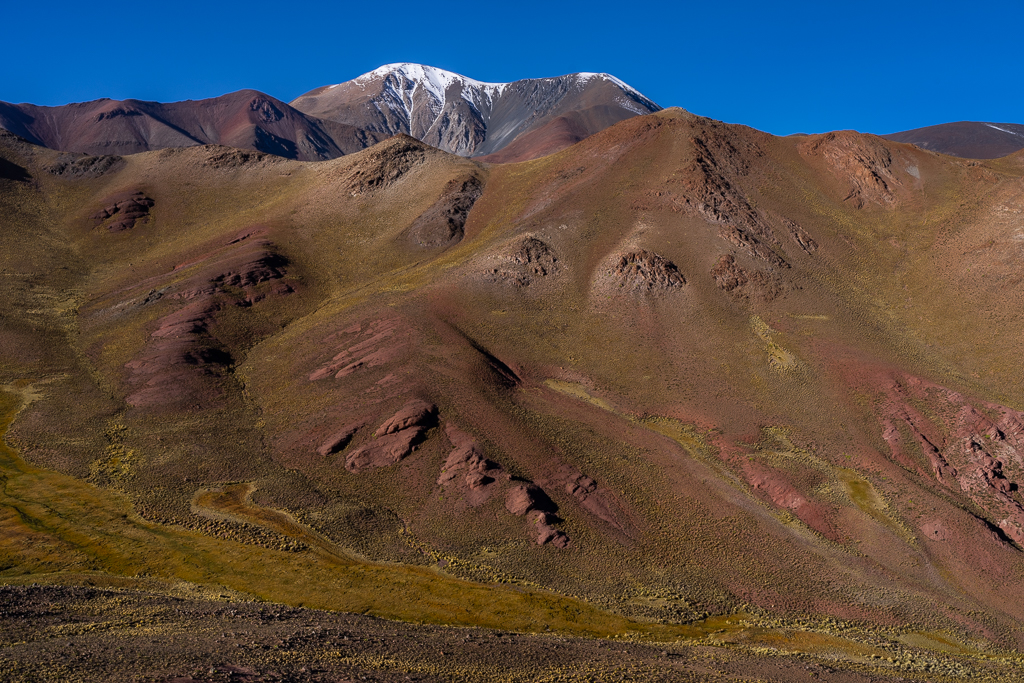
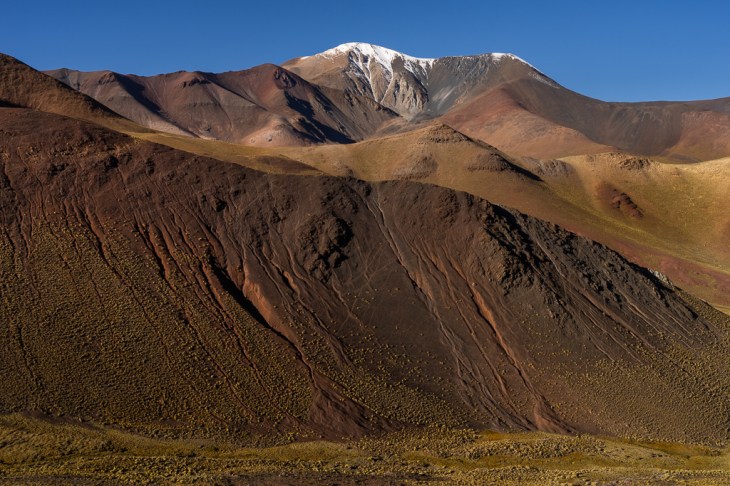


We reached the pass shortly before sunset. The view in the evening light from the pass was stunning.


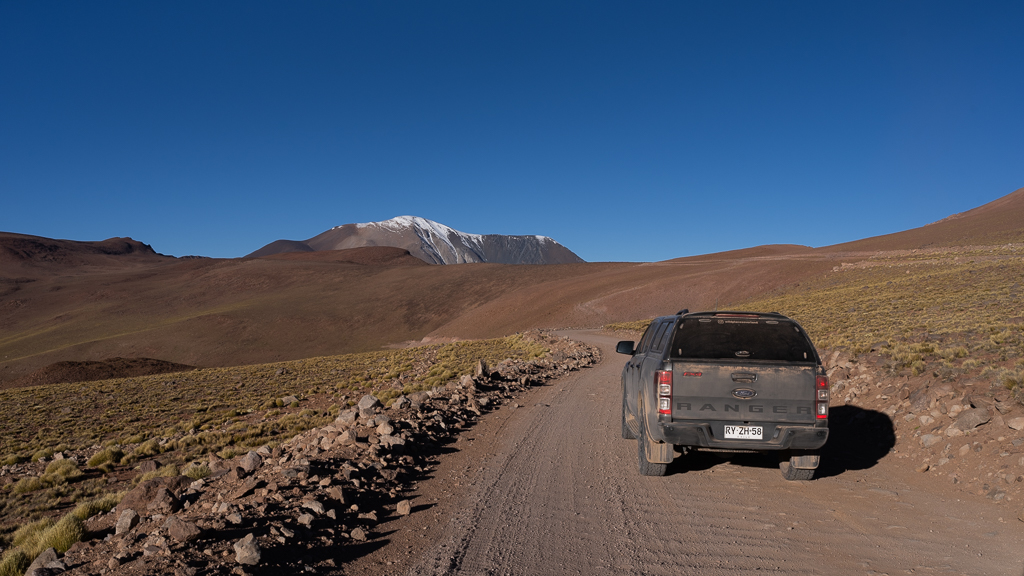
Finally, we were back in San Antonio de los Cobres where we stayed another night in the same hotel before we continued our trip along the Ruta 40.
Altogether this was probably one of the most beautiful tracks I have ever driven. The landscape from the Abra del Acay Pass to Cachi is absolutely spectacular. If you have the right vehicle and some experience in offroad driving this track is highly recommended. But don’t underestimate the track conditions and the very high altitude. After heavy rainfall, landslides are very common on this track which often makes it impossible to get through. Therefore start early and always be prepared to turn around if necessary.
 Wild Places
Wunderschöne Bilder!! Ich liebe den Norden Argentiniens und Chiles!!
Herzlichen Dank fürs Teilen.
Judith
Danke Judith! Mir hat die Ecke auch super gut gefallen.
Great pictures, as always – really impressive. They make me want to travel there again.
A few years ago we also drove over the Abra del Acay pass. I was scared to death, especially in the upper regions, where I remember that the road was often so narrow that there was only one lane. I remember thinking in horror, what will we do if a car comes towards us… And maybe even on one of the exposed bends!
Thank God it didn’t happen, we were the only car the whole way.
Incidentally, I can confirm your description: great landscapes, a spectacular experience…
I also liked San Antonio de los Cobres, and I agree with your assessment: not a beauty, but the Wild West atmosphere is something special… By the way: we stayed in the same hotel as you 😉
Thanks for your comment Brigitte and I‘m glad that you enjoyed the experience as much as I did.